Where to Stay in Amsterdam: A Neighborhood Guide for First-Time Visitors
How much does your hotel actually matter on a trip to Amsterdam? I’m pretty sure that it’s more than most people plan for. Amsterdam is small, but it’s cut in half by water and laced with one-way streets and tram lines that don’t always go where you’d expect, so the neighborhood you pick shapes almost every day of your trip, not just where you sleep at night.
Amsterdam’s Best Neighborhoods at a Glance
Amsterdam doesn’t have one best place to stay, it has a handful of good ones, each suited to a different kind of trip. Before getting into the detail on each, here’s how they break down at a glance:
- The canal belt or Museum Quarter if you want to walk everywhere and don’t mind paying for it
- Jordaan or De Pijp if you want a more residential feel without losing convenience
- Amsterdam Noord if you want real value without giving up an easy connection to the center
The rest of this guide goes through each of those properly, including which areas are worth being cautious about and why. If you haven’t nailed down your day-to-day plans yet, it’s worth pairing this with a look at our blog on what you can do in Amsterdam before you commit to a neighborhood, since where you stay works best when it matches what you’re actually planning to do each day.
City Centre and the Canal Belt
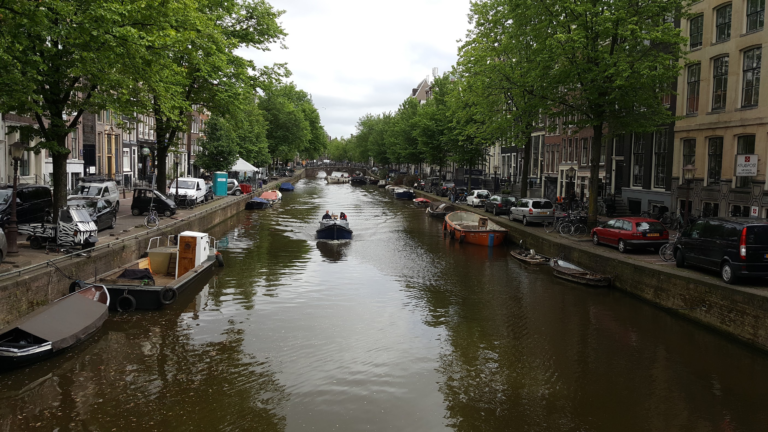
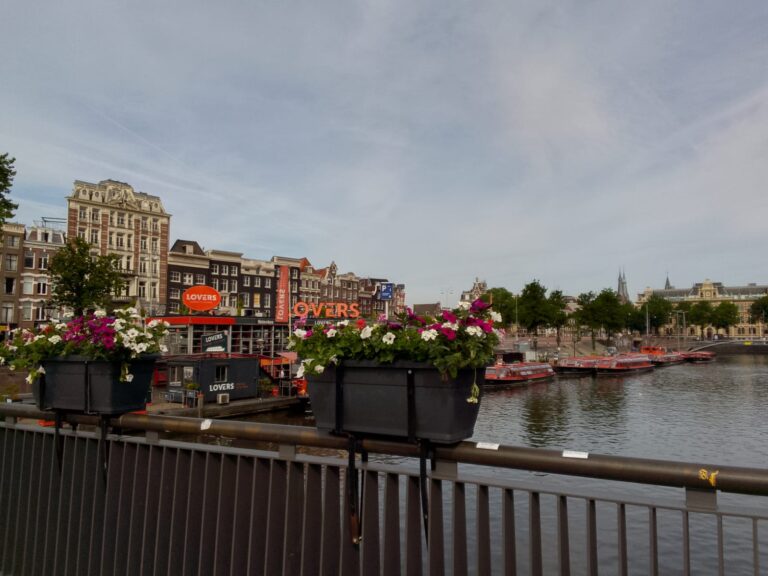
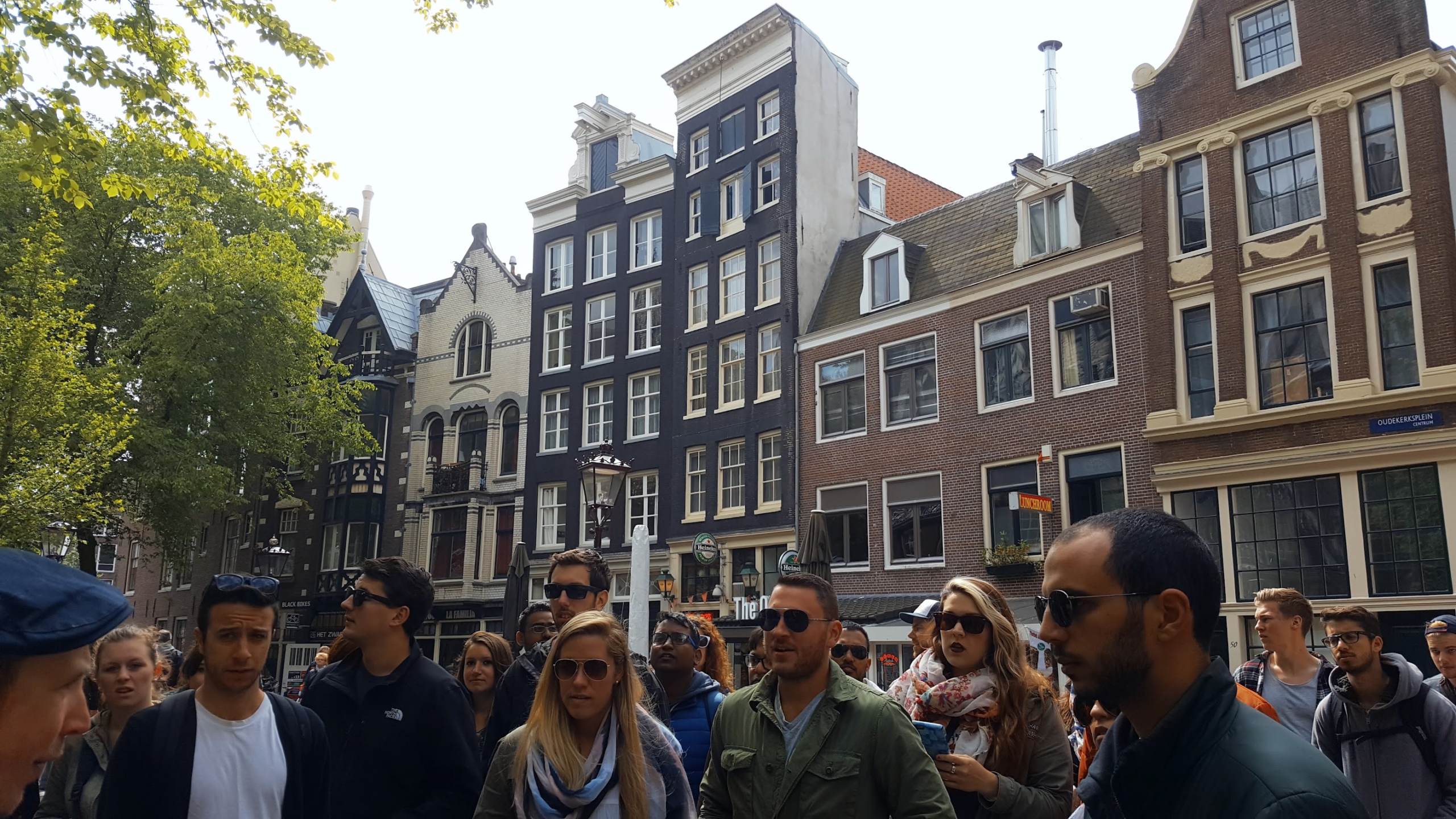
This is the part of Amsterdam most people picture before they’ve even booked a flight. The canal belt, or Grachtengordel, is the ring of 17th-century canals around the old city center, and it’s a UNESCO World Heritage Site for good reason. Staying here puts you within walking distance of the Anne Frank House, the Nine Streets shopping area, Dam Square, and most of the museums. Both my sister Afnan and I have walked through the canal belt extensively during our respective trips to Amsterdam. This was also one of the main areas we covered during our Amsterdam walking tour.
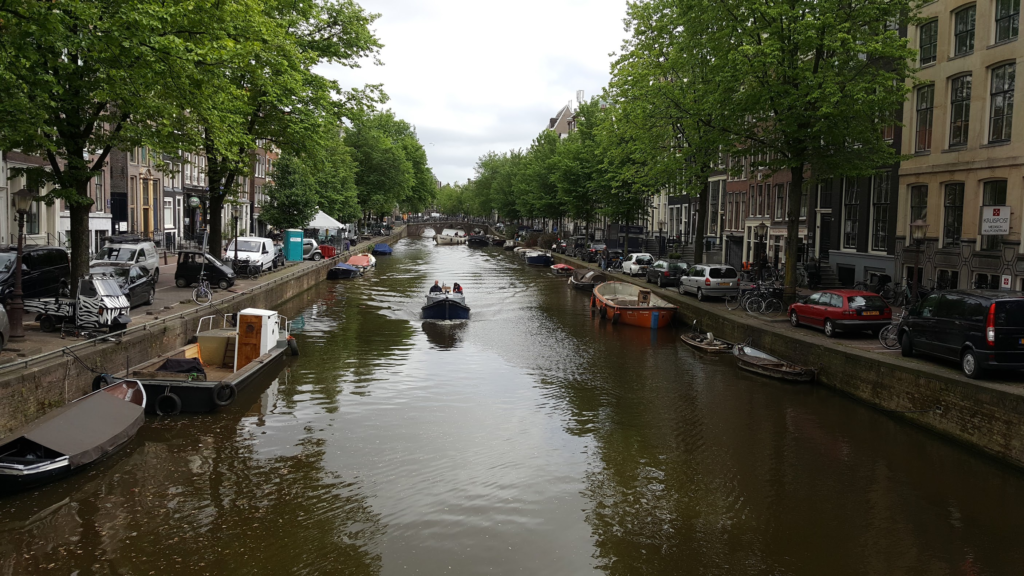
The tradeoff is obvious: it’s the most expensive part of the city to sleep in, and during peak season it’s also the busiest. Streets get crowded with day-trippers and tour groups by mid-morning, and hotel rooms in canal houses tend to be small, with narrow staircases and no elevators, which matters if you’re travelling with a lot of luggage or have mobility concerns. If you’re only in Amsterdam for two or three nights and want to see the postcard version of the city without relying much on transport, this is still a solid choice. If you’re staying longer or travelling on a tighter budget, you’ll get better value elsewhere. Staying in the canal belt also means you can walk everywhere easily, visit the beautiful canals and enjoy an amazing breakfast with a view.
One part of the center worth calling out directly is the area around Zeedijk and the streets closest to the old harbor. It’s historic and central, but it’s also one of the busier, more chaotic pockets of the city center after dark, and not somewhere I’d point to a first-time visitor, particularly families or anyone who wants a quiet place to sleep. You don’t need to avoid the area entirely, since there’s genuine history here, but I wouldn’t base myself there.
Museum Quarter and Oud-Zuid
If museums are the main reason you’re visiting, the Museum Quarter (Museumkwartier) puts the Rijksmuseum, Van Gogh Museum, and Stedelijk Museum within a short walk of your hotel. The wider Oud-Zuid district around it is calmer than the city center, with wide streets, Vondelpark on the doorstep, and a noticeably more upscale, residential feel.
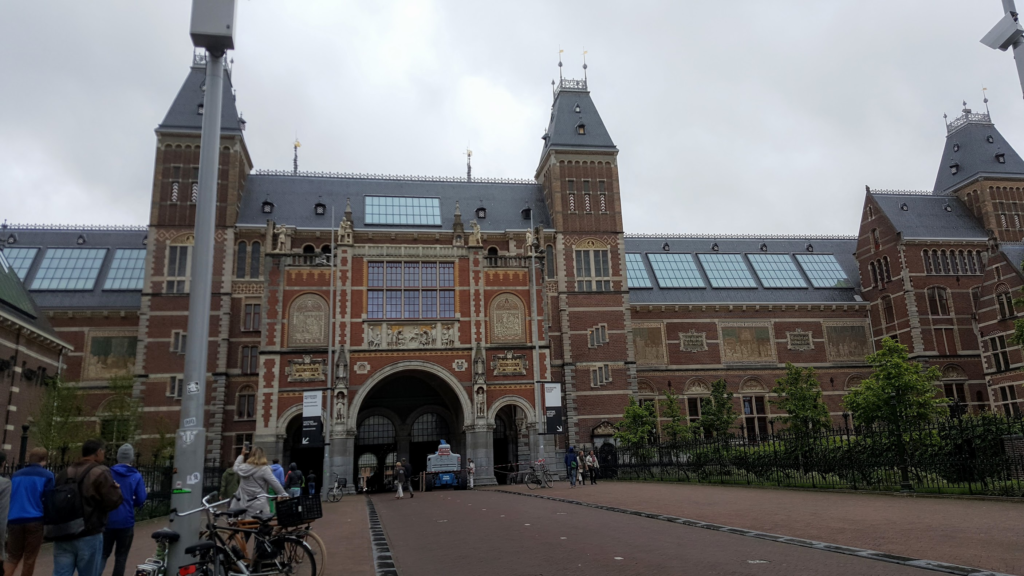
This area tends to suit couples and older travelers well, and it’s also one of the more comfortable choices if you’re visiting with kids, given the proximity to the park. It’s not cheap, and it’s a bit further from Centraal Station than the canal belt, so factor that into your transport plans. Trams connect it easily to the rest of the city, but if your itinerary is heavy on day trips that start from the train station, you’re adding a bit of travel time each morning. I took out one full day for the Rijksmuseum, the Iamsterdam sign photo opp and a bike ride in Vondelpark. I generally love museums so I ended up spending 3-4 hours in the Rijksmuseum. When I exited the Rijksmuseum it had thankfully stopped raining so I went to the Iamsterdam sign to take a couple of phonts and then later on went to vondelpark with my rented bike. Overall it was a great day in Amsterdam and I got to visit the museum while it was raining.
Jordaan
Jordaan sits just west of the canal belt and has a genuinely different character to it. It’s still central and walkable to most major sights, but the streets are narrower, quieter, and feel more like a real neighborhood than a tourist zone. There are independent shops, a Saturday market, and a slower pace generally.
It’s a good fit if you want to be close to everything without staying somewhere that feels built entirely around visitors. Accommodation here is usually smaller, older buildings converted into apartments and boutique hotels, so don’t expect large rooms or modern amenities across the board. It’s also worth knowing that prices in Jordaan aren’t meaningfully lower than the canal belt, despite feeling a step removed from it. You’re paying for character and quiet, not for savings. I didnt stay in Jordaan but i walked around the neighborhood during my stay.
De Pijp
South of the center, De Pijp has become one of the more popular areas for visitors who want a local feel with good food options and a market (the Albert Cuyp Market runs through the neighborhood most days). It’s dense, lively during the day, and well connected by tram.
It suits travelers who want to feel like they’re staying somewhere lived-in rather than somewhere built for tourism, and it tends to be slightly better value than the canal belt or Oud-Zuid, though not dramatically so. The walk into the city center takes roughly 20 to 25 minutes, or a short tram ride, which is manageable but worth factoring in if you’re planning to walk everywhere.
Amsterdam Noord: The Option Most Guides Underrate and the One I Would Recommend
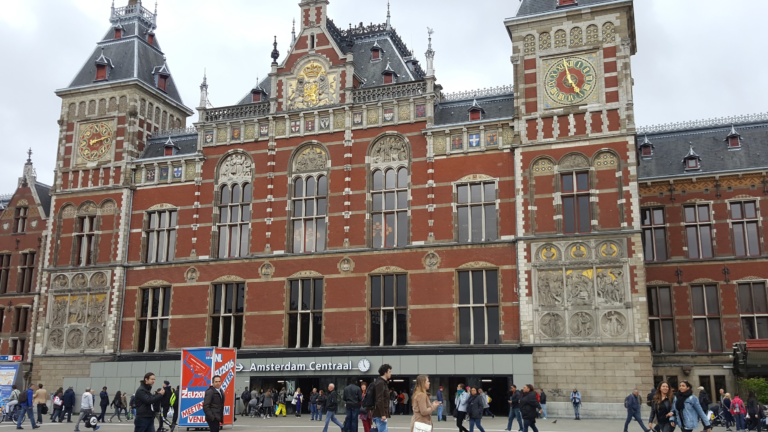
When I went to Amsterdam for a work trip, I stayed near Amsterdam Noord. The main reason I chose to stay there was that it had a very easy connection to Amsterdam Centraal station. It was also really convenient for travelling to some of the other cities I wanted to visit during my trip.
For me, Amsterdam Noord was a very convenient place to stay, and it’s something I would personally recommend. If you want accommodation at much lower prices compared with staying around Amsterdam Centraal, while still having really good transport connections, Amsterdam Noord is a great option.
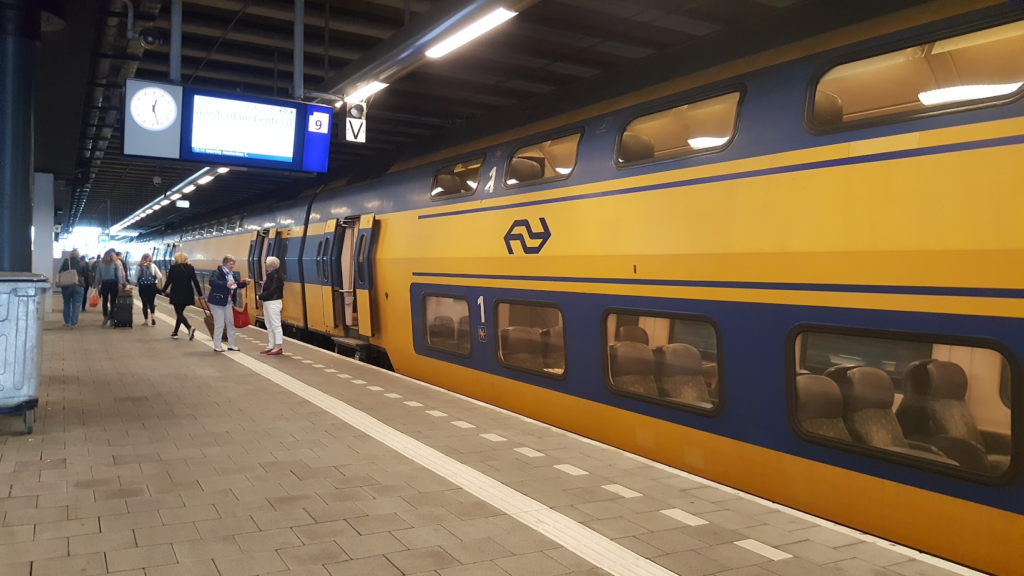
I used the Noord station for a lot of my day trips across the Netherlands, and travelling from there generally felt like much less of a hassle. It was less crowded, easier to navigate, and overall I found the experience much more convenient. The station was also very close to where I was staying; I think it was only about a five-minute walk away.
If I were visiting Amsterdam again, I would definitely consider staying in Amsterdam Noord again for those reasons.
What makes this work logistically is the free ferry connection across the IJ river. The Buiksloterweg ferry runs directly behind Centraal Station and crosses in just a few minutes, operating around the clock with departures every few minutes during the day, so you’re never waiting long. It carries pedestrians, bikes, and pushchairs at no cost, and there’s no ticket or check-in needed. It’s genuinely one of the easiest short crossings I’ve used anywhere.
Noord itself has developed a lot over recent years, with the A’DAM Lookout tower, the EYE Film Museum, and the NDSM Wharf art district all worth a visit in their own right, not just as a place to sleep. It’s more spread out and less immediately walkable than the neighborhoods south of the IJ, so you will lean on the ferry and trams more than you would staying centrally. If your priority is value without giving up a fast route back to the station, it’s worth serious consideration, especially for anyone planning day trips by train, since you’ll be back at Centraal quickly whenever you need to be.
Areas I’d Think Twice About
Not every part of the city works well as a base, and it’s worth being upfront about that rather than pretending every neighborhood suits every traveler.
Zuidoost, in the far southeast, is home to the Johan Cruijff ArenA and is well connected by metro, but it’s a considerable distance from the sights most first-time visitors want, and there’s little reason to base yourself there unless you’re attending a specific event.
The immediate area around Centraal Station itself, while convenient on paper, tends to be busy, transient, and not particularly pleasant to walk through late at night or early morning. It’s fine for a single night before an early flight, but I wouldn’t choose it as a base for a longer stay.
Who Should Stay Where
- First-time visitors with 2 to 3 nights: canal belt or Museum Quarter, so you can walk to the major sights without relying much on transport.
- Families: Oud-Zuid or Jordaan, both calmer and closer to green space than the busiest parts of the center.
- Budget-conscious travelers who still want convenience: Amsterdam Noord, for the reasons above.
- Repeat visitors or longer stays: De Pijp or Jordaan, both giving a more local feel without losing easy access to the center.
- Anyone doing multiple day trips by train: somewhere with a fast, direct route back to Centraal Station, which points toward the canal belt, Jordaan, or Noord over neighborhoods further south.
How Long to Stay and Getting Around
Three to four nights is enough to cover Amsterdam’s main sights without rushing, though if you’re planning day trips to places like Zaanse Schans or Haarlem, five nights gives you more breathing room. Amsterdam is a compact, flat city, and cycling is genuinely the most practical way to get around once you’re comfortable navigating the bike lanes. For shorter trips or if cycling isn’t for you, the tram network covers the tourist core well, and multi-day public transport passes are worth looking at if you’ll be taking more than a couple of rides a day. Fares and pass options change periodically, so check current pricing before you travel rather than relying on older blog posts.
The Bottom Line
Where to stay in Amsterdam really comes down to how you want to spend your days. If walkability and being in the postcard version of the city matter most, the canal belt or Museum Quarter deliver that at a price. If you’d rather save on accommodation without losing a fast connection back to the station, Amsterdam Noord is worth serious consideration, and it’s the option I’d point to first for anyone trying to balance cost and convenience.
Frequently Asked Questions
Is Amsterdam Noord a good place to stay?
Yes, particularly if you want lower accommodation costs without losing an easy connection to the center. The free ferry from Centraal Station runs frequently, day and night, making it straightforward to get back and forth even without a car or bike.
What part of Amsterdam should I avoid staying in?
Zuidoost is too far from the main sights to make sense as a base for most visitors, and the immediate streets around Centraal Station can feel busy and impersonal for a longer stay. Neither is dangerous, just less practical than the alternatives.
How many days do you need in Amsterdam?
Three to four nights covers the main sights comfortably. If you’re planning day trips outside the city, five nights gives you more flexibility without feeling rushed. You can see the detailed 3-day itinerary on things to do in Amsterdam as a first timer.
Is it worth staying outside Amsterdam’s city center?
Often, yes. Areas like Amsterdam Noord, De Pijp, and Jordaan offer better value than the canal belt while still being well connected by tram, metro, or ferry, so you’re not sacrificing much in terms of convenience.
Do I need to rent a bike if I stay outside the center?
No, though it helps. Amsterdam’s tram and metro network covers most neighborhoods well, and the ferries to Noord are free and frequent, so you can get by comfortably on public transport alone if cycling isn’t for you.