One Week in the Netherlands: How to Use Amsterdam as Your Base
Here’s the thing most week-long Amsterdam itineraries won’t tell you: seven days in the city itself is too many. You’ll run out of museums by day four and start padding the rest with things you wouldn’t have bothered with on a shorter trip.
The better use of a week is to keep Amsterdam as your base and go out from it. The Netherlands is small enough that almost nowhere is more than two hours away by train, so you can see four other cities without packing a bag twice or booking a second hotel. That’s what I did, and looking back it’s the part of the trip I’d repeat without changing much.
Why Not Move Around Between Cities?
In a bigger country you’d base-hop. Here it doesn’t pay off.
The train from Amsterdam reaches Utrecht in about half an hour, Rotterdam and The Hague in roughly an hour. Moving hotels to shave twenty minutes off a journey costs you a check-out, a check-in, and an afternoon of dragging luggage around. You lose more time than you save.
Staying put also means you can decide each morning based on the weather, which matters more here than people expect. If it’s grey, do a museum city. If it’s clear, go to the coast or somewhere you’ll be walking outdoors all day.
The one case for moving is if you want to see the south, Maastricht in particular. That’s far enough that a day trip becomes a slog, and a week isn’t really enough to include it properly.
The Week at a Glance
| Day | Where | Getting There | Pace |
| 1 | Amsterdam: walking tour and old centre | On foot | Easy |
| 2 | Amsterdam: cycling and windmills | Bike | Active |
| 3 | Amsterdam: food, markets, Rijksmuseum | On foot and tram | Easy |
| 4 | Utrecht | Train, about 30 min | Relaxed |
| 5 | Rotterdam | Train, about 1 hr | Full day |
| 6 | The Hague and Scheveningen | Train, about 1 hr | Full day |
| 7 | Zaanse Schans or Haarlem | Train, 15 to 20 min | Half day |
Days 1 to 3: Amsterdam Itself
Three days is the right amount for the city. Enough for the old centre, a cycling day, the main museums and at least one neighbourhood beyond the tourist core, without the padding that a longer city stay involves.
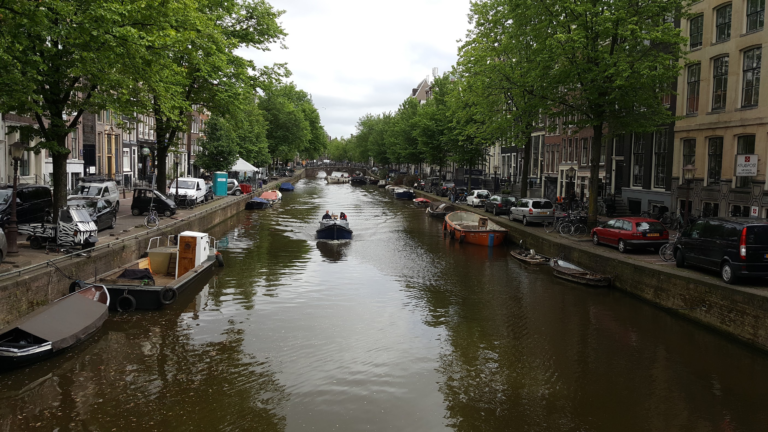
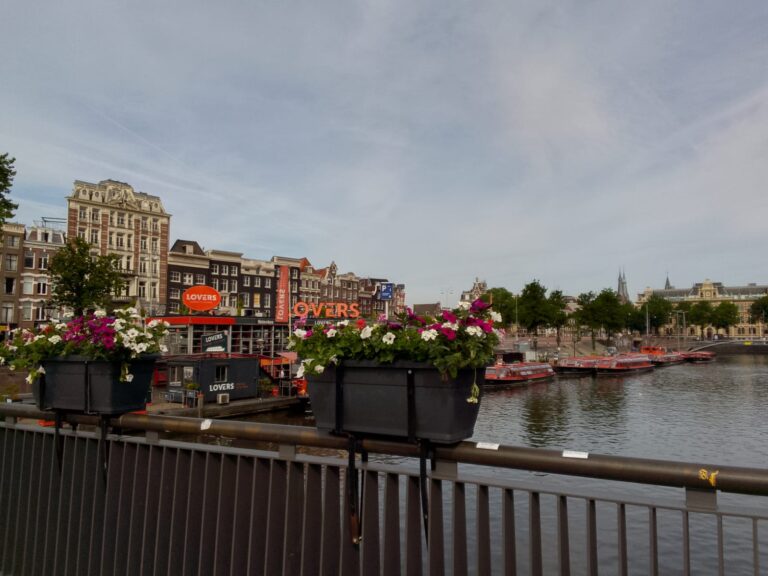
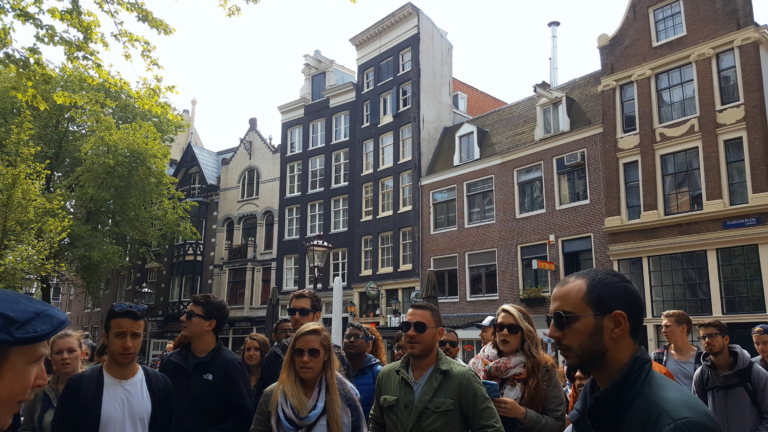
I’ve written the day-by-day version of this separately, so rather than repeat it here, see my 3 days in Amsterdam itinerary for the details. The short version: a guided walking tour on day one to get the layout of the canals in your head, a cycling tour on day two that takes you out past the city windmills, and a food-focused third day built around the markets and the Rijksmuseum.
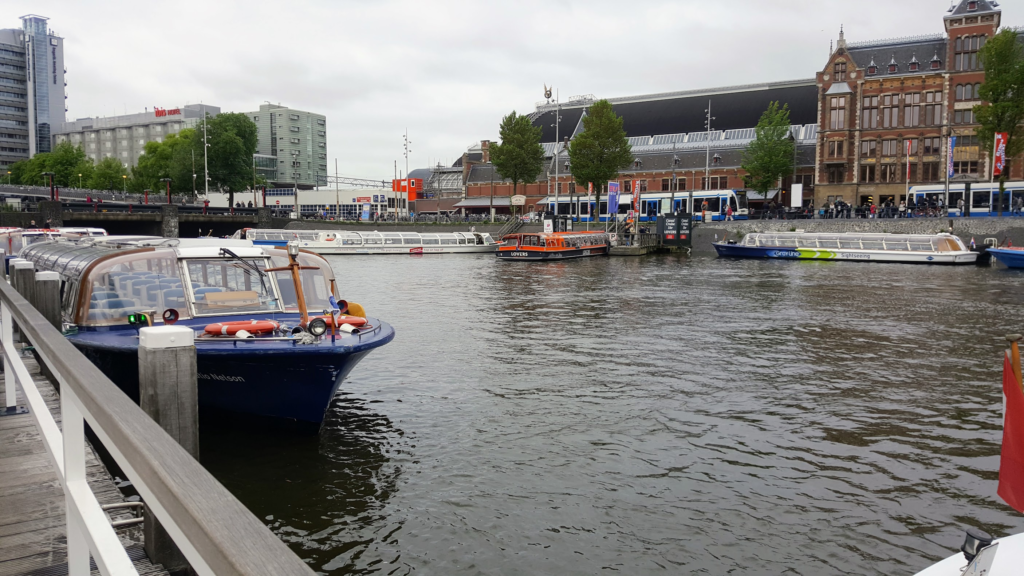
One planning note that only matters on a longer trip. Book the Anne Frank House first and build everything else around it, because the tickets are released six weeks ahead and sell out. With seven days you’ve got more slots to work with than someone on a weekend, so you’re likelier to get one, but you still can’t leave it to chance.
Day 4: Utrecht
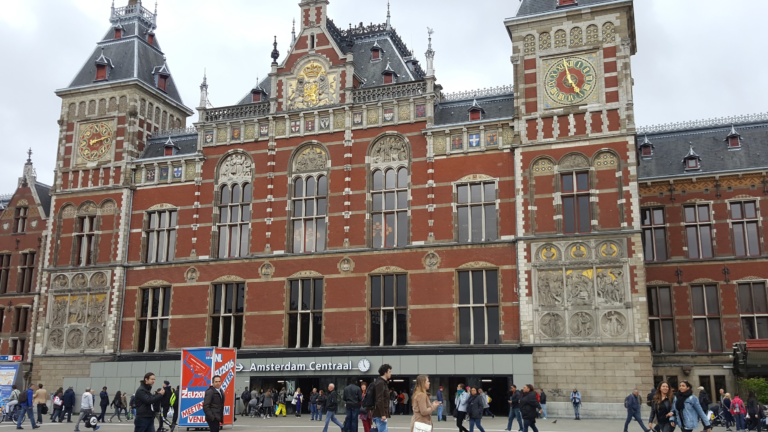
Utrecht was the first place I went, and it’s the one I’d send you to first as well. It’s half an hour by train, and it’s an easy day because you can walk straight out of the station into the old town without working anything out.
It’s a university city, and that gives the centre a different feel from Amsterdam. Less geared toward visitors, more people going about their day. The canals are the main draw, and they’re not like Amsterdam’s: they sit below street level, with old wharf cellars along the water that are now cafés and small restaurants. You end up walking at two heights, street and waterside.
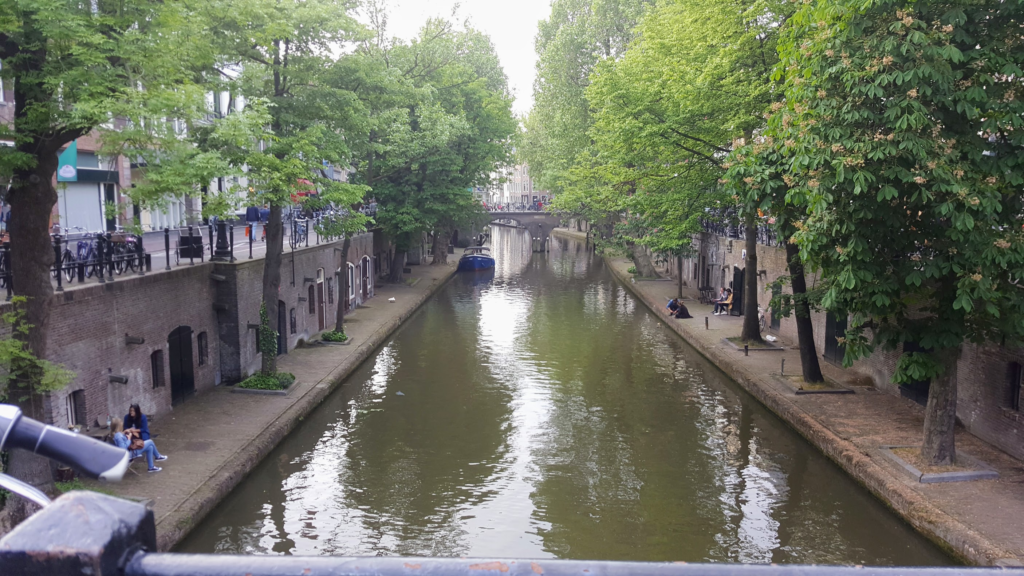
I didn’t take a guided tour here and wouldn’t say you need one. The centre is small enough to work out on foot, and the pleasure of Utrecht is drifting rather than following a route. I spent the day walking from the Old Town out through the canals and the university quarter, and I loved it. It was a much-needed peaceful break from the chaos in Amsterdam. In the evening I took a train back to Amsterdam.
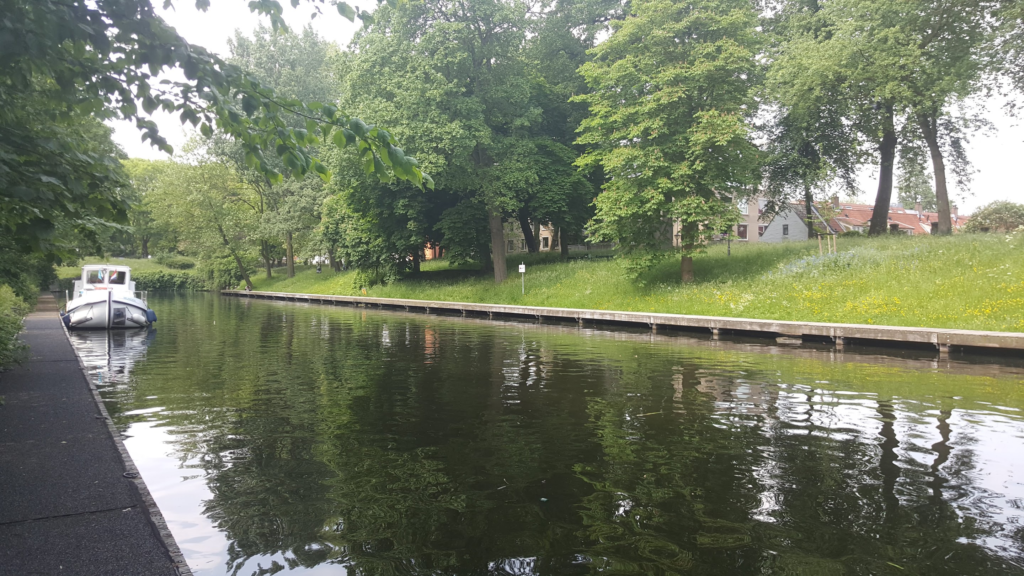
That said, if you’d rather have some structure on arrival, there are free walking tours starting from Dom Square that run around 90 minutes and cover the two-level canals, a few hidden courtyard gardens and the underground bicycle parking garage, which is a stranger sight than it sounds. That still leaves most of the day free.
If you want a fixed point in the day, the Dom Tower is the obvious one. It’s the tallest church tower in the country, and after a five-year restoration that wrapped up in late 2024 it’s finally free of scaffolding, which wasn’t the case for visitors for most of the last decade. You can only go up as part of a guided tour, it’s 465 steps with no lift, and tours fill up at weekends, so book ahead if you want it.
Day 5: Rotterdam
Rotterdam is the day that stops the week feeling like variations on a theme. Most of the city was destroyed in the Second World War and rebuilt in a modern style rather than restored, so it looks nothing like anywhere else on this itinerary. No canal houses, no gabled facades. A skyline instead.
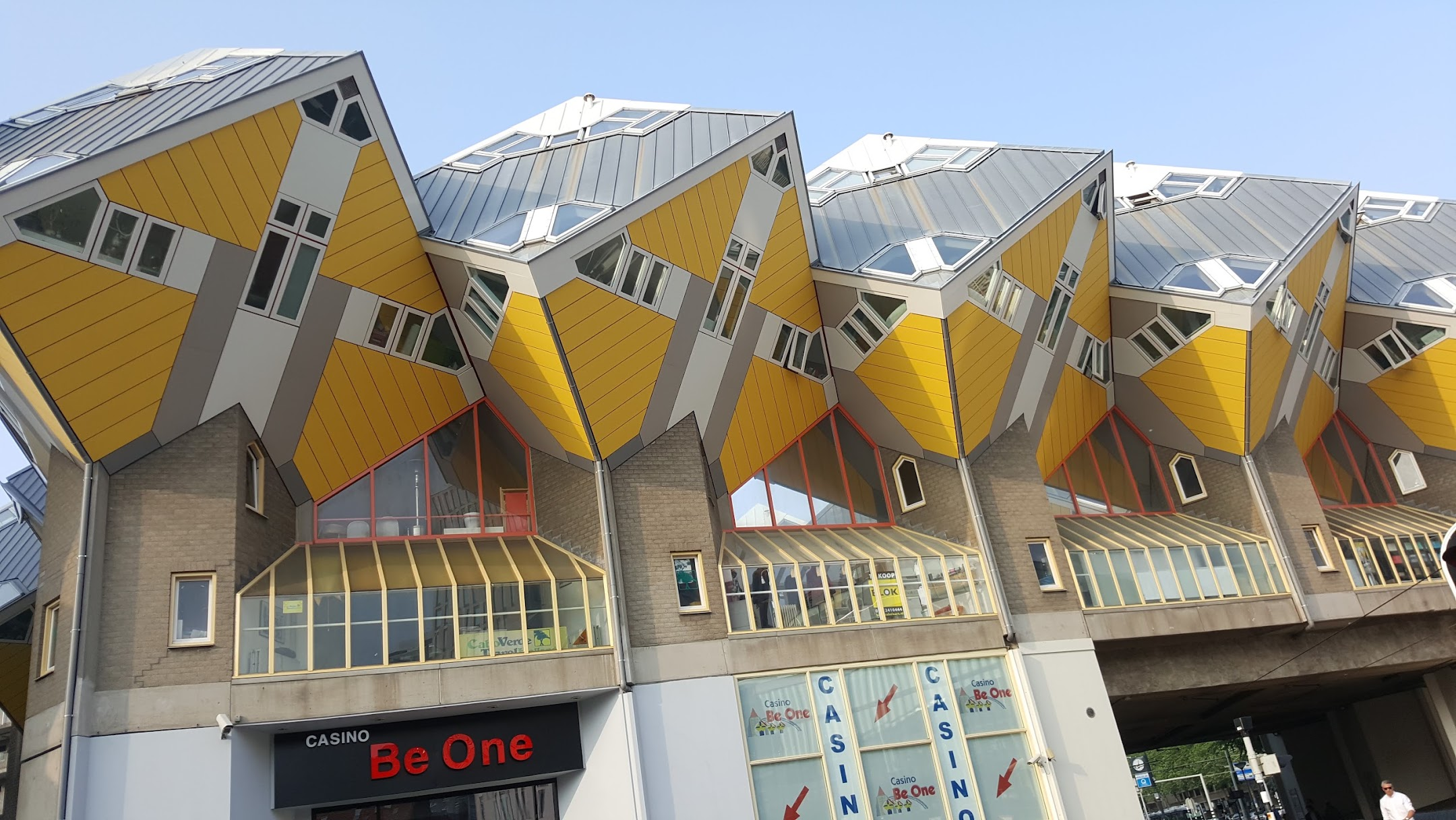
The Cube Houses are the thing I remember most clearly. They’re houses built as cubes tipped onto one corner and set on posts, arranged in a block you walk under and through. Photographs don’t quite prepare you for how strange they look standing underneath them. If you’ve ever seen a picture of Rotterdam, it was probably these.
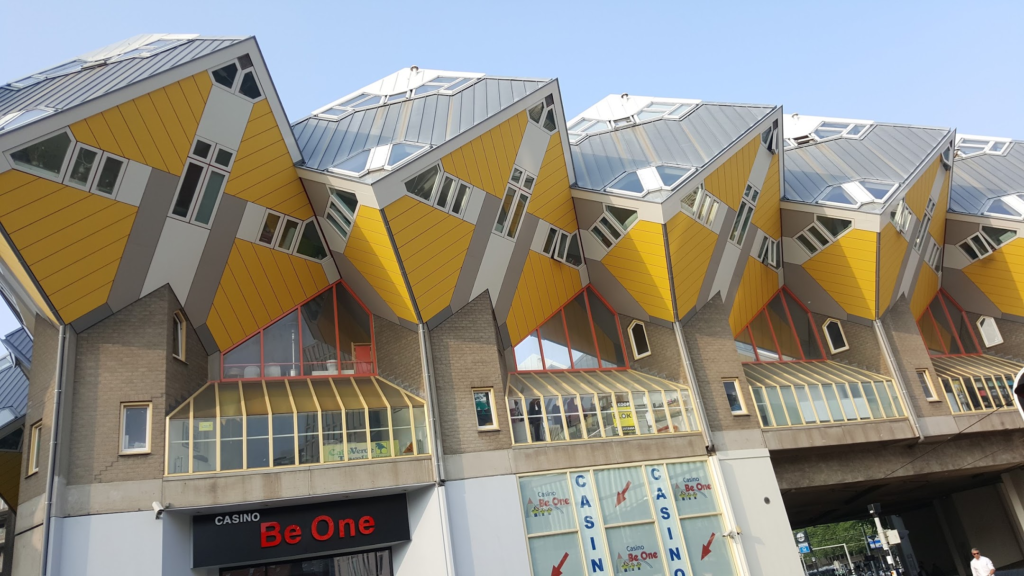
The other main sights sit close together and are walkable from Rotterdam Centraal: the Markthal, was one of my favorites, a covered market hall with apartments curved over the top of it, and the Erasmus Bridge across the Maas. The waterfront is worth walking even without a plan.

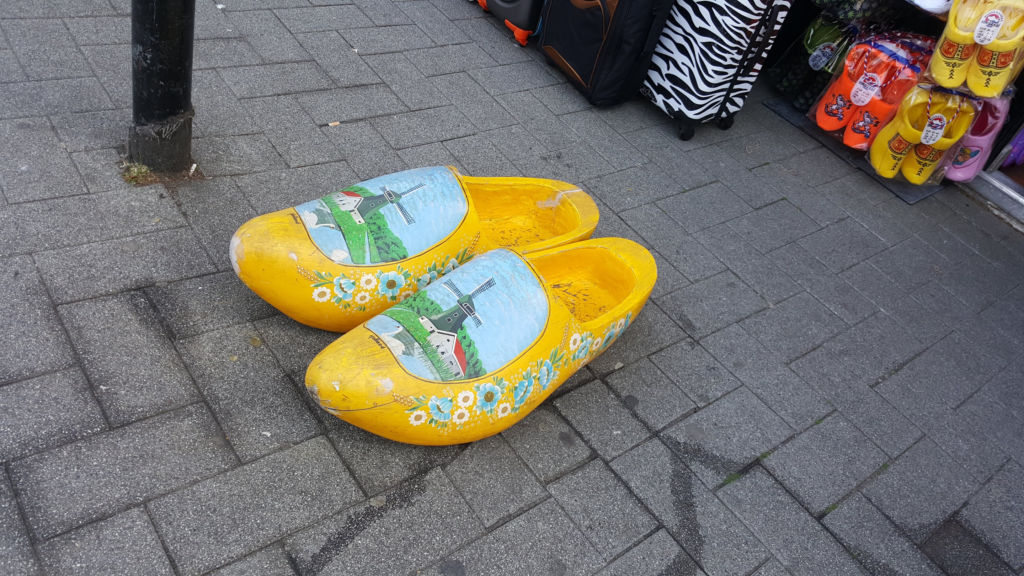
I booked a day tour here rather than exploring on my own as I had in Utrecht, and that was the right call. Rotterdam’s sights are more spread out and the city takes more explaining, since so much of what you’re looking at only makes sense once you know what was there before. I also got to try on these huge klompen, wooden Dutch shoes in Rotterdam, which is one of my favorite memories from the city.
Day 6: The Hague and Scheveningen
The Hague is the seat of the Dutch government, and it’s the one city on this list where you get a proper museum day and the coast in the same trip.
The Mauritshuis is the main draw, a small museum with a very strong collection of Dutch Golden Age painting. Small is the point: you can see it properly in a couple of hours, which is not true of the Rijksmuseum.
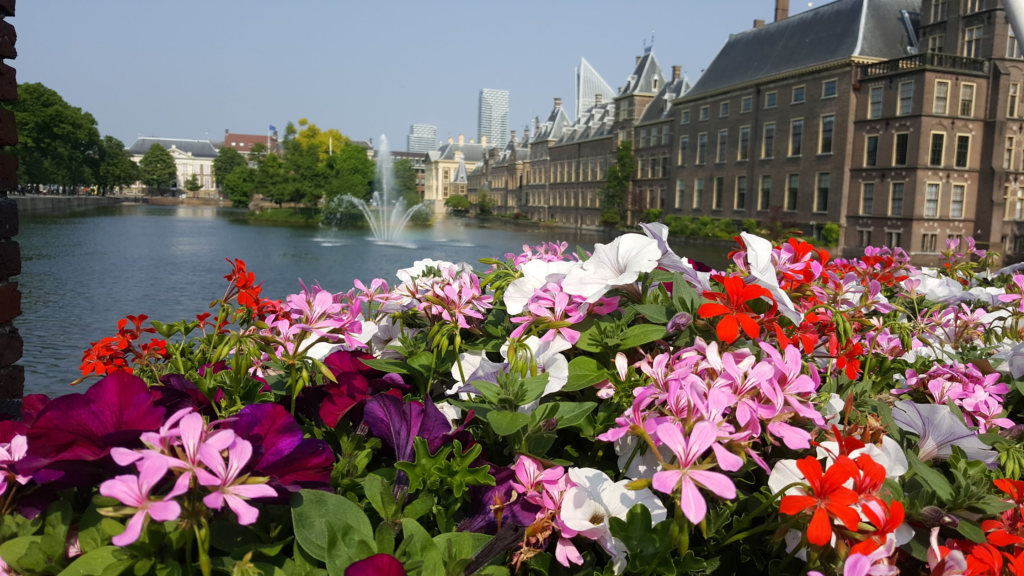
The spot that stayed with me was the Hofvijver, the rectangular pond alongside the Binnenhof, the parliamentary complex at the centre of the city. There’s a fountain in the middle and the buildings reflect in the water. It’s the classic view of The Hague.
Worth knowing before you go: the Binnenhof itself has been closed for a major renovation and is expected to stay that way until around 2028, so you can’t walk into the inner courtyard the way visitors once could. The Hofvijver view from outside is unaffected, and there’s a renovation information centre nearby if the history interests you, but don’t plan the day around getting inside. Check the current status before you travel, since these dates move.
I took a guided tour here too, which suits a city where the sights are scattered and the political history needs some context. Mine was this free walking tour, a little over two hours covering the Binnenhof, Mauritshuis, Noordeinde Palace and the Lange Voorhout. Free tours here work on a pay-what-you-think-it’s-worth basis at the end rather than a set price. After the tour, I had a chance to try the stroopwafel cheesecake because I wanted something to eat and it looked delicious

Adding Scheveningen
If the weather holds, take the tram out to Scheveningen in the afternoon. It’s a proper North Sea beach with a pier, about fifteen minutes from the centre, and it turns a museum day into something more varied. In poor weather, skip it and give the extra time to the Mauritshuis or the city centre instead.
Day 7: Windmills or Haarlem
The last day is deliberately light, since you’ll want the option of a slow start.
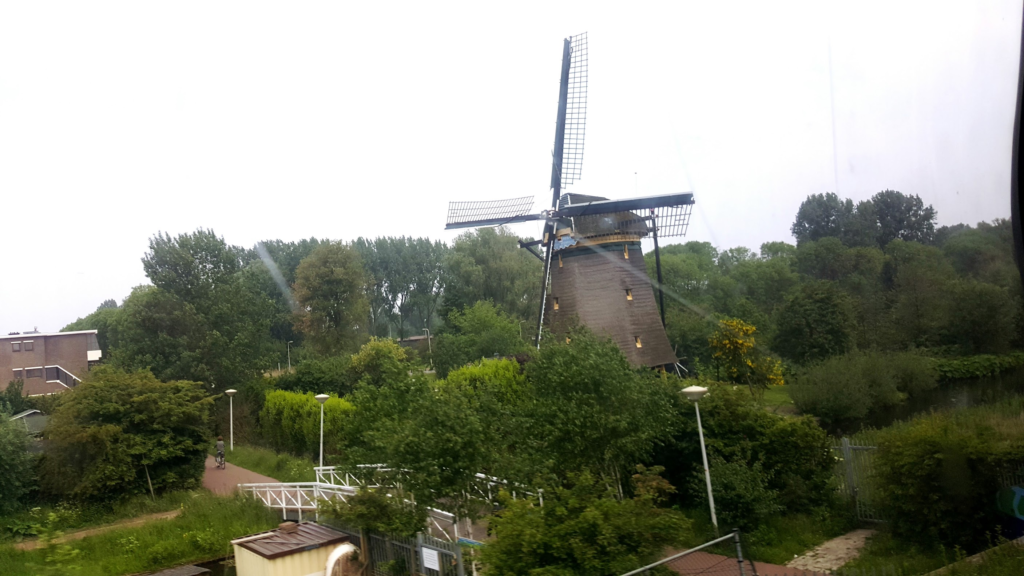
Zaanse Schans is the windmill village that shows up in every photograph of the Netherlands. It’s under twenty minutes by train plus a short walk, and half a day covers it. It is genuinely touristy, and going early makes a real difference to how it feels.
Haarlem is the alternative if you’ve had enough set-piece attractions. Fifteen minutes by train, a smaller and calmer version of Amsterdam, with a main square and a windmill on the river. Good for a day with no particular agenda.
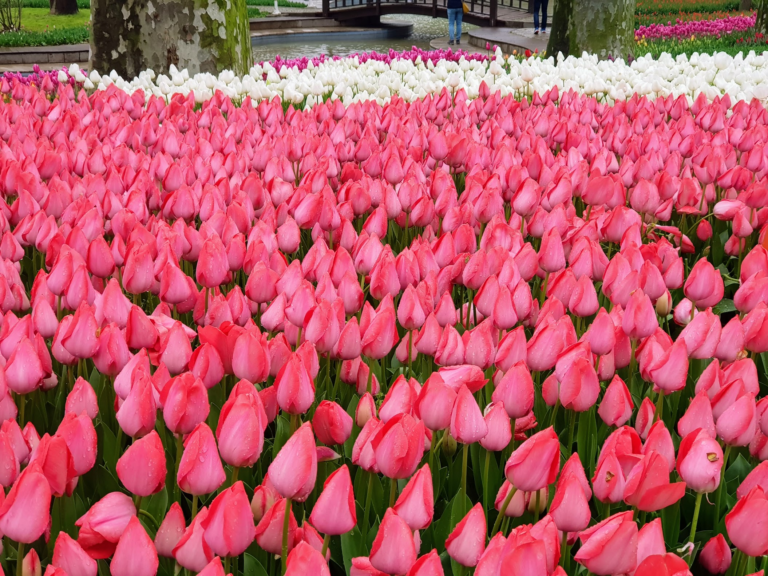
Keukenhof replaces both if you’re travelling in spring, since the gardens only open for a limited window from roughly mid-March to mid-May. Check the official site for this year’s dates. I wasnt able to visit kuekenhof on my last trip
For the full range of options, including the ones that need more planning, see my guide to day trips from Amsterdam.
Getting Around: Trains and Tickets
Every day of this itinerary works without a car.
I used a travel pass covering journeys between cities rather than buying tickets one at a time. Whether the same product still exists is worth checking, since my trip was around a decade ago and fare options change. Single tickets are always available as an alternative, and I bought mine at the station on the day rather than online, which still works for domestic routes.
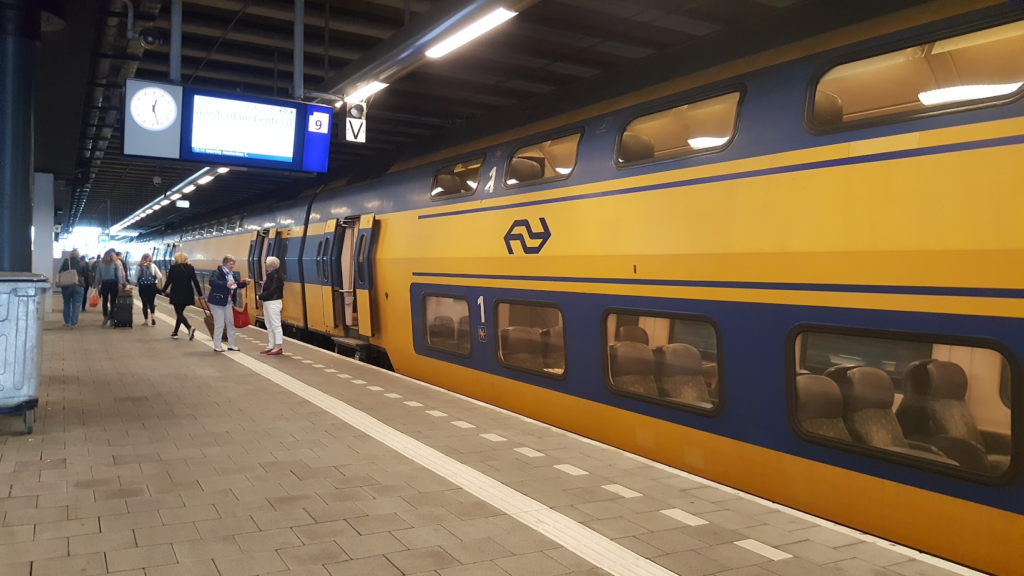
Having said that, trains in the Netherlands are among the best in all of Europe. They are clean, modern and on time. I never had a train get delayed and always had multiple departure options to choose from. The trains are also equipped with carriages meant for bicycles incase you want to take you bicycle to another city. Overall it was a great experience as the journeys were short and I had the best views on the way.
The NS journey planner is the source to use for current routes, times and platforms. Do check it the morning you travel, since engineering works and diversions are common and can add time to an otherwise simple journey.
None of my journeys ran longer than about two hours, which holds true for most of the country. That’s the fact this whole itinerary rests on.
When to Go
Summer makes a week like this considerably easier. I travelled during the long-daylight months, when sunset came around 9:30 or 10:00 in the evening. That changes what a day trip means in practice: a late start still leaves you enough time to walk a city properly and get back, and you’re not watching the clock from mid-afternoon.
The trade-off is crowds, particularly at Zaanse Schans and in central Amsterdam. Late spring and early autumn are the compromise, with reasonable daylight and fewer people.
Winter is the season where this itinerary works least well. You lose several hours of usable light, which makes outdoor days short and pushes you toward museums, and the day trips built around walking a city centre are much less rewarding in the dark and wet.
What I’d Change
Being honest about the weak points.
Four day trips in a row is a lot. By the sixth day, train stations start blurring together. If you’d rather not push it, drop day seven and spend the last day back in Amsterdam at whatever you didn’t get to.
Rotterdam and The Hague back to back is the wrong order. They’re the two heaviest days, and doing them consecutively is tiring. Put Utrecht in the middle as it is a lighter, more relaxed city
One museum per day is the ceiling. It’s tempting on a week-long trip to think you can fit more. You can’t, or at least not while also travelling and walking a new city.
Is a Week in the Netherlands Worth It?
A week is a good length for this country, as long as you use it properly. The mistake is treating it as seven days in Amsterdam, which stretches three days of material across a week. Used as a base instead, Amsterdam gives you a compact city plus four genuinely different places, all reachable and back the same evening.
If I had the week again, I’d keep the structure. Three days in the city first, so you’ve got your bearings before you start travelling, then out from there. Utrecht is the gentlest introduction to the rest of the country, Rotterdam is the biggest change of scene, and The Hague gives you a coast day if the weather cooperates.
FAQs About Spending One Week in the Netherlands
Is seven days too long for Amsterdam?
For the city alone, yes. Three days covers Amsterdam comfortably. A week is worth it only if you’re using the city as a base and going out on day trips.
Do I need to change hotels during a week in the Netherlands?
No. Everything in this itinerary is a same-day return from Amsterdam. Changing hotels only makes sense if you’re heading south to Maastricht, which doesn’t fit well in a week anyway.
How many day trips can I realistically do in a week?
Four is the practical maximum after three days in the city, and even that is a lot of consecutive travel. Three is more comfortable.
Can I do this itinerary in winter?
You can, but it’s a different trip. Short daylight hours cut outdoor time significantly, and cities like Utrecht and Haarlem that reward walking are less enjoyable in the dark. Weight the plan toward museums if you’re going between November and February.
Is a rail pass worth it for a week?
It depends how many trips you make. Four or more intercity journeys is roughly where a pass starts to compete with single tickets, but products and pricing change, so compare current options on the NS site rather than relying on what worked a few years ago.
Which day trip should I do if I only have time for one?
Utrecht. It’s the closest, the easiest to navigate on arrival, and it gives you a Dutch city that isn’t Amsterdam without any planning overhead.