Is Amsterdam Worth Visiting? An Honest Answer for First-Time Travelers
Amsterdam gets a strange mix of reactions before people even book their flight. Some hear it’s one of the best cities in Europe. Others hear it’s overpriced, overcrowded, and not worth the hype. Both of those reputations exist for a reason, and the honest answer sits somewhere between them.
Part of the confusion comes from how differently people experience the same city. Someone who spent a weekend dodging crowds around Dam Square will describe a completely different trip than someone who spent a few quiet mornings cycling along a canal in Jordaan before the day-trippers arrived. Neither account is wrong, but neither one is the full picture either. The real answer depends less on Amsterdam itself and more on what kind of trip you’re planning, when you go, and which parts of the city you actually spend your time in.
Amsterdam is worth visiting, but it suits some travelers far more than others. If you want a walkable, visually distinct city with strong museums, genuine architectural character, and easy access to the rest of the Netherlands, it delivers. If you’re picturing a quiet, slow-paced European getaway, you’ll need to plan around the crowds rather than expect to avoid them entirely, especially in the city center during peak season.
The rest of this guide breaks down exactly what makes Amsterdam worth the trip, where it genuinely falls short, and how to figure out if it fits what you’re actually looking for.
What Amsterdam Actually Gets Right
The reputation Amsterdam is best known for tends to overshadow what actually makes it worth the trip. Strip that away, and what’s left holds up on its own merits: a genuinely distinct architectural character, museums that would justify a visit to any city, and a way of getting around that’s hard to find anywhere else in Europe. Here’s what that looks like in practice.
The Canals and Architecture
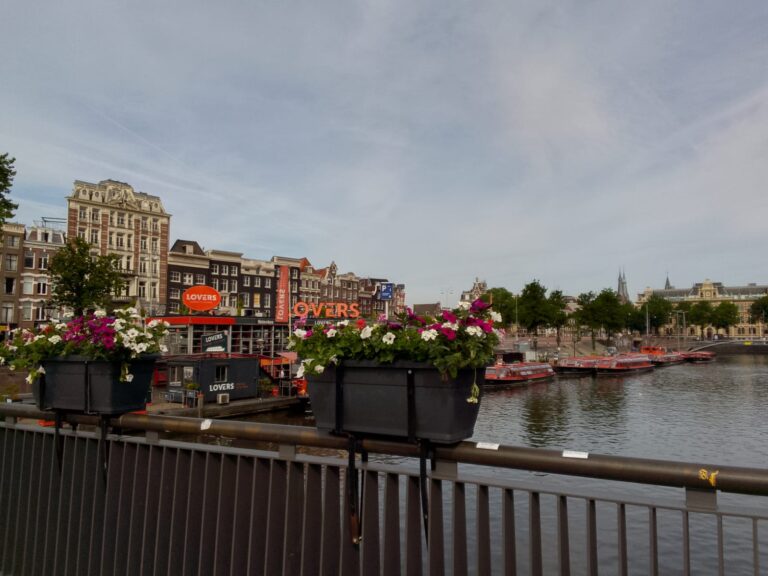
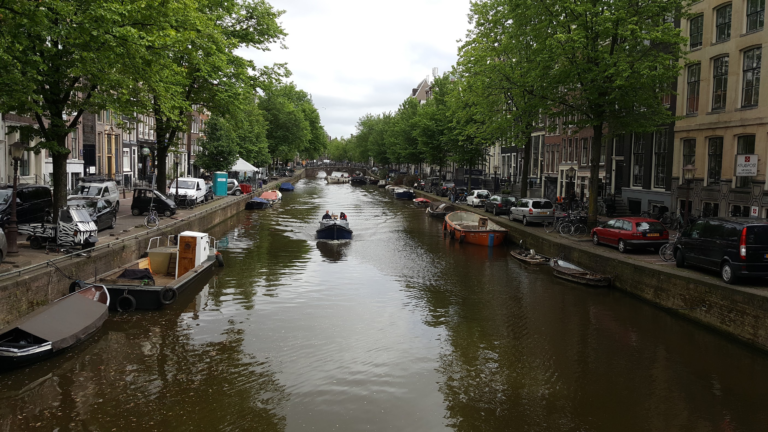
Amsterdam’s canal ring is a UNESCO World Heritage Site, and it’s one of the few places where that designation actually matches the experience of walking through it. The narrow, gabled townhouses leaning slightly over the water, the houseboats, the arched bridges, none of it needs much explaining once you’re standing there. It’s a rare case where a city’s most famous feature holds up to the expectation.
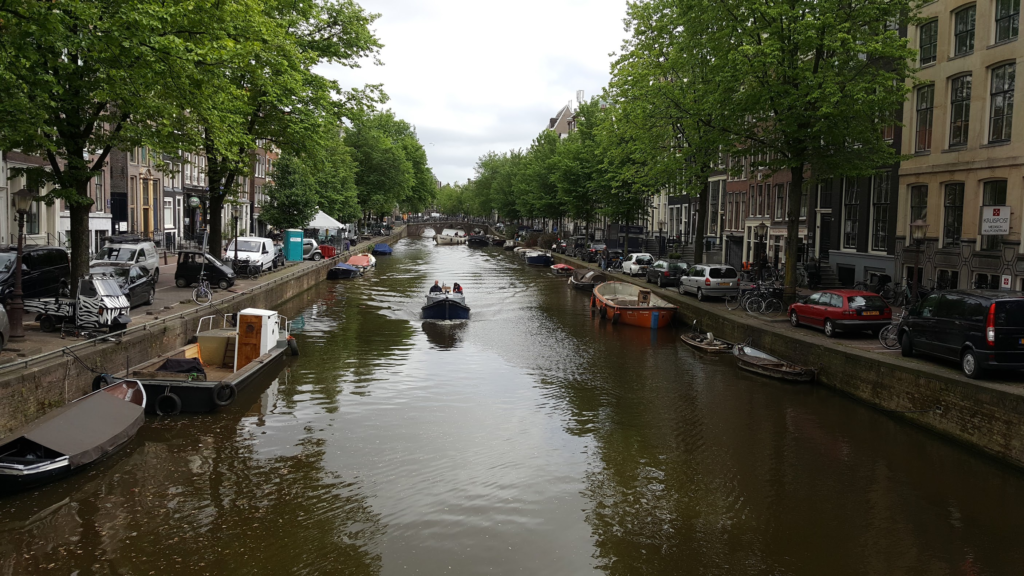
What doesn’t always come across in photos is how much the architecture varies once you move beyond the main canal belt. The gabled merchant houses of the 17th century give way to the wider, more ornate facades of Oud-Zuid, and then to the industrial brick warehouses of Amsterdam Noord that have been converted into galleries and studios. I actually ended up staying in the area of Amsterdam Noord and it turned out to be the best decision as i was still close to the city center by train but in a residential neighborhood away from tourists. Walking between neighborhoods works almost like moving through different periods of the city’s history, which adds more depth to a visit than the canal photos alone suggest.
World-Class Museums
The Rijksmuseum (my favourite in Amsterdam), the Van Gogh Museum, and the Anne Frank House are genuinely strong reasons to visit on their own. The Rijksmuseum’s Dutch Golden Age collection is extensive enough to fill half a day by itself, and the Anne Frank House offers a different kind of experience entirely, more sobering than sightseeing. Tickets for the more popular museums sell out during busy periods, so booking ahead matters more here than it would in a less-visited city.
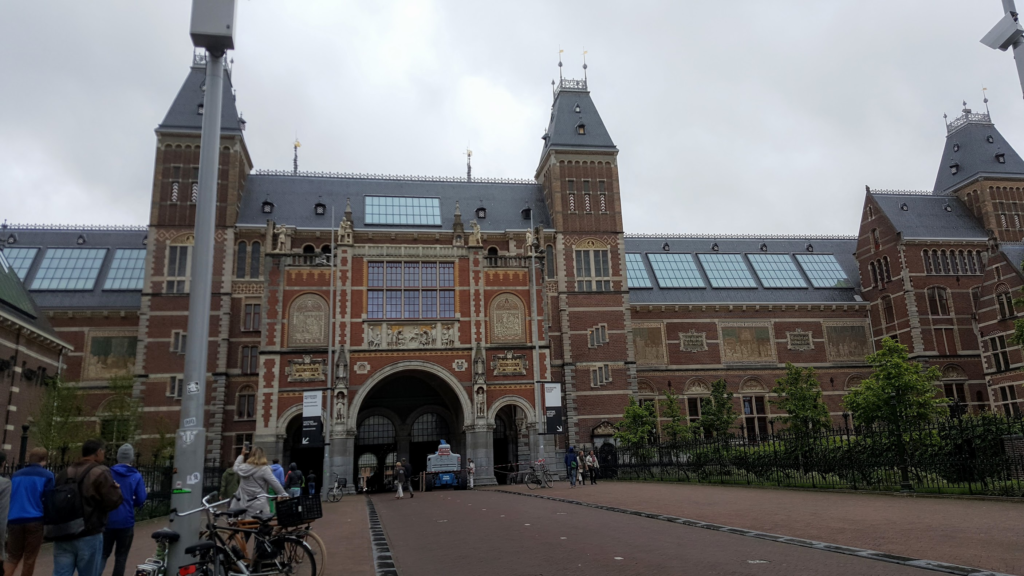
Beyond the three big names, the museum scene has more range than most visitors expect. The Stedelijk covers modern and contemporary art, the Moco Museum leans into more accessible, visually striking work, and smaller institutions like the Amsterdam Museum focus specifically on the city’s own history rather than broader Dutch or European art. If you only have time for one or two, the Rijksmuseum and Van Gogh Museum are the strongest picks for a first visit, but travelers with a genuine interest in art have enough here to fill several days without repeating themselves. If you are a true museum lover, give yourself 3-4 hours to explore the Rijksmuseum, ideally on a rainy day so you don’t miss the outdoor attractions.
Cycling Culture and Walkability
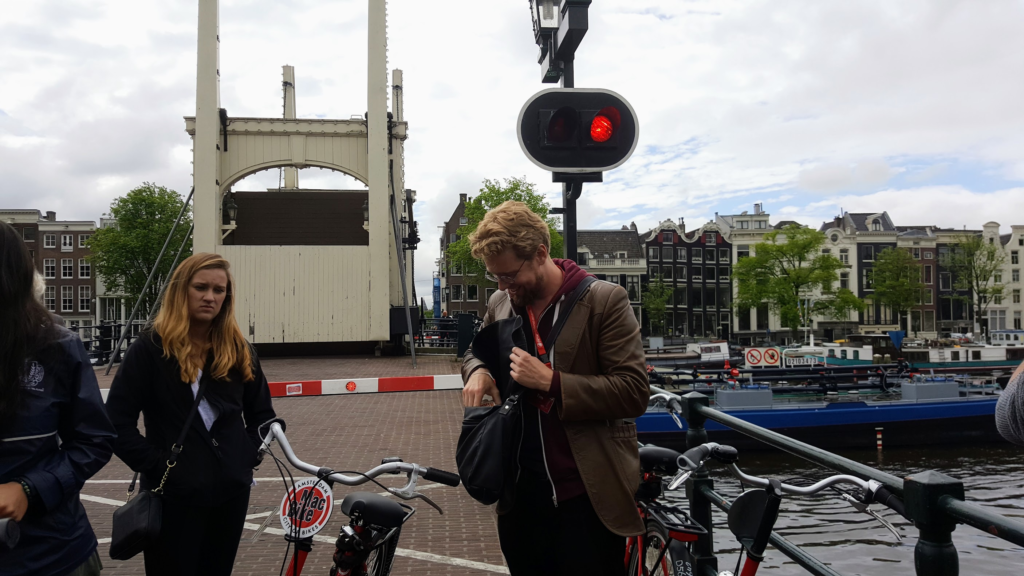
Amsterdam is flat, compact, and built around cyclists in a way most cities aren’t. Dedicated bike lanes run through nearly every neighborhood, and renting a bike is one of the more practical ways to cover ground without relying on trams for every trip. Even without cycling, the city center is genuinely walkable, which isn’t true of every major European capital. When I was in Amsterdam for my work trip, I did a bike tour which was, in simple words, amazing. You can read more about it here. I also walked all over the city and then rented a bicycle another day to visit Vondelpark
The cycling infrastructure isn’t just a novelty for visitors; it’s a genuinely different way of experiencing the city than most travelers are used to. Bike lanes are separated from car traffic on most major streets, and locals cycle at a pace and confidence that can take a day or two to adjust to. It’s worth taking that adjustment seriously rather than jumping straight into rush-hour traffic on your first afternoon, since the etiquette and right-of-way rules aren’t always intuitive for visitors used to walking or driving.
A Food Scene Worth Taking Seriously
Amsterdam’s food scene goes well beyond stroopwafels, though those are worth trying too. The city has a strong Indonesian food tradition tied to its colonial history, plenty of fresh seafood given its coastal location, and a growing number of halal-friendly options across the center and in neighborhoods like De Pijp and Oud-West.
Foods to Try in Amsterdam covers this in more depth.

Markets are a big part of getting a real sense of the food scene rather than sticking to sit-down restaurants. The Albert Cuyp Market in De Pijp runs most days and gives a good cross-section of what locals actually eat day to day, from fresh produce to street food stalls. It’s a useful way to eat well without committing to a full restaurant meal for every stop on a day of sightseeing.
Easy Access to Day Trips
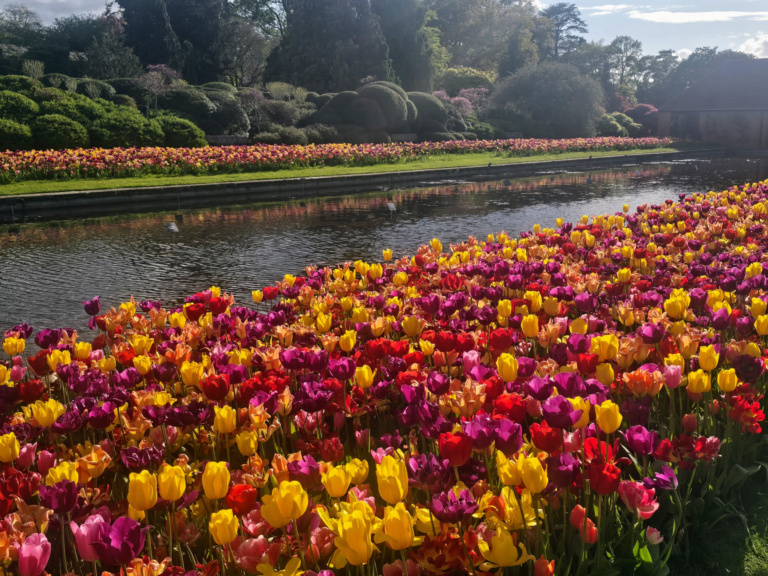
One of Amsterdam’s underrated strengths is how easy it makes exploring beyond the city itself. Places like the windmills at Zaanse Schans, the historic fishing village of Volendam, and the tulip fields at Keukenhof during spring are all reachable within an hour or so by train or organized transport.
My detailed guide on how to use Amsterdam as your base for day trips has more detail on fitting these in.
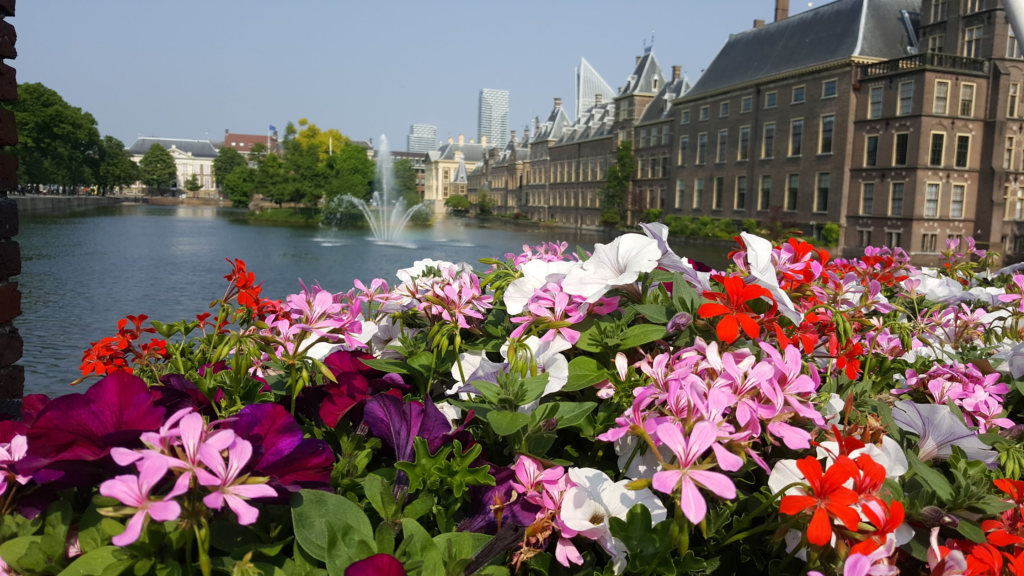
Zaanse Schans in particular is worth calling out on its own, since it’s one of the easiest ways to see traditional Dutch windmills without traveling far from the city, and it’s a manageable half-day trip rather than eating up your whole itinerary. Keukenhof is more seasonal, only open for a few weeks in spring, so it only makes sense if your travel dates line up with tulip season. Volendam and the nearby village of Marken suit travelers who want a quieter, more traditional contrast to Amsterdam’s pace, though neither has enough to fill a full day on its own. I ended with visiting cities like Rotterdam, The Hague, and Utrecht, to name a few, all while making Amsterdam my base to avoid daily check-in and check-out.
Where Amsterdam Falls Short
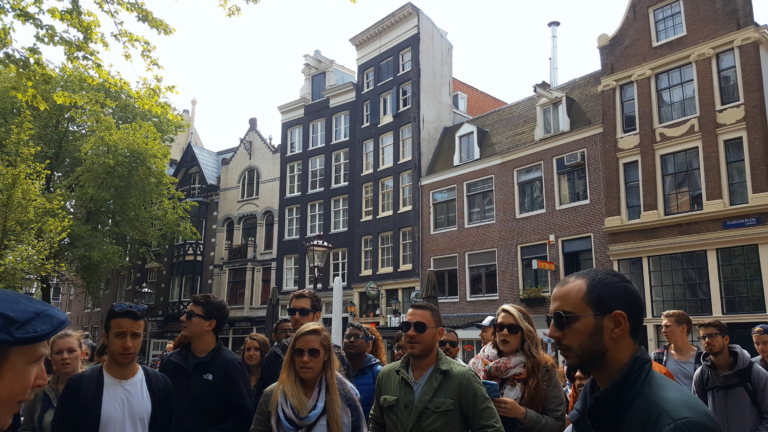
Being fair about this matters as much as covering what’s good. Amsterdam’s city center gets genuinely crowded during peak season, particularly around Dam Square, the main canal routes, and the streets leading to the most popular museums. Midday in summer can mean shoulder-to-shoulder foot traffic in the busiest stretches, which isn’t the relaxed canal-side stroll a lot of people picture.
July and August are the worst months for this, alongside any weekend that coincides with a public holiday. If crowding is a genuine concern, visiting on weekdays, starting sightseeing early in the morning before tour groups arrive, and building in neighborhoods like Jordaan or Oud-Zuid rather than spending the whole trip in the busiest parts of the center all make a real difference to how the trip actually feels.
It’s also not a cheap city. Accommodation, food, and museum tickets all sit on the higher end compared to many European destinations, and costs climb further during peak travel months. That doesn’t make it not worth visiting, but it’s worth budgeting for accurately rather than being surprised by it. Traveling in shoulder season, and looking at neighborhoods slightly outside the busiest tourist core for accommodation, are the two most effective ways to bring costs down without cutting corners on the trip itself.
Amsterdam has also built a reputation, fair or not, around a specific kind of tourist behavior that dominates certain pockets of the city center, particularly in the evenings. If that’s not the experience you’re after, it’s manageable, but it does mean choosing your neighborhood and your evening plans a bit more deliberately than you might in another city.
Finally, if you’re expecting a slower, small-city version of Dutch charm, Amsterdam probably isn’t it. It’s an international, working city first, and a handful of nearby towns do the quieter, postcard-Dutch experience better. Utrecht and Haarlem, both under an hour away, are worth considering as an add-on rather than a replacement, since they round out a Netherlands trip without asking you to give up what Amsterdam does well.
Is Amsterdam Worth It If You’re Not Interested in the Party Scene?
Yes, and this is worth addressing directly, since a lot of travelers assume Amsterdam’s reputation is the whole picture. The museums, the canal walks, the architecture, the cycling, and the food scene stand on their own, without needing anything tied to the city’s nightlife reputation to justify the trip. Families, older travelers, and anyone simply not interested in that side of the city can have a full, worthwhile visit built entirely around the things covered above.
It does help to pick your base neighborhood with that in mind, since some areas lean harder into that reputation than others. Basing yourself in a calmer neighborhood also tends to mean better sleep, fewer disruptions in the evening, and an easier walk home after a day of sightseeing, which matters more on a longer trip than a quick weekend.
How Many Days Do You Need in Amsterdam
Three to four days is generally enough to see the major museums, walk the canal belt, explore a couple of neighborhoods properly, and fit in a one day trip outside the city. Two days is workable if your trip is tightly focused on a handful of priorities, but it doesn’t leave much room for slower exploring or unplanned detours. If day trips to places like Zaanse Schans or Keukenhof are a priority, lean toward the longer end, since those alone can take the better part of a day.
Travelers combining Amsterdam with a wider Netherlands or Europe itinerary often try to compress it into a single day or overnight stop. It’s doable, but it means picking two or three priorities and accepting that everything else gets left for a return trip. We have visited Amsterdam as a transit stopover many times and got to explore quite a good portion. You can see the full guide of Amsterdam Layover here.
Best Time to Visit Amsterdam
Spring, particularly April, is a strong choice if you want to see the tulip season at its peak, though it’s also one of the busier times to visit. Early autumn, especially September, tends to offer a reasonable balance of mild weather and smaller crowds than peak summer. Winter is quieter and colder, but the canals and historic streets take on a different character, and it’s worth considering if avoiding crowds matters more to you than warm weather.

Summer brings the longest days and the most reliable weather, but it also brings the biggest crowds and the highest prices, so it’s worth weighing that tradeoff honestly rather than defaulting to summer simply because it’s the most obvious time to travel.
Is Amsterdam Worth Visiting? The Verdict
Amsterdam earns its reputation in some ways and overstates it in others. The canals, the museums, the architecture, and the ease of getting around are genuinely strong reasons to visit, and none of that depends on the parts of the city’s reputation that get the most attention. The crowding and cost are real considerations, not exaggerations, so going in with realistic expectations makes a real difference to how much you enjoy it. For most first-time travelers, particularly those planning around the city’s actual strengths rather than its stereotype, Amsterdam is worth visiting.
Frequently Asked Questions
Is Amsterdam overrated?
Not entirely, though its reputation focuses on one narrow slice of what the city offers. The museums, canal architecture, and cycling culture hold up well against the hype, even if the crowding in the busiest areas can make peak season feel overwhelming.
Is Amsterdam worth visiting for 2 days?
Yes, if your priorities are focused. Two days is enough to cover the canal belt and one or two major museums, but it doesn’t leave much room for day trips or slower exploring, so it’s worth planning ahead rather than deciding once you arrive.
Is Amsterdam expensive to visit?
It sits on the higher end compared to many European cities, particularly for accommodation and museum tickets. Costs are highest during peak season, so travelers on a tighter budget may find shoulder seasons like early autumn more manageable.
Is Amsterdam safe for families?
Generally yes, particularly in neighborhoods away from the busiest tourist core. Areas like Oud-Zuid and Jordaan tend to suit families well, with parks, calmer streets, and an easy walk or tram ride to the main sights.
Should I skip Amsterdam for other Dutch cities instead?
Absolutely not. Cities like Utrecht and Haarlem offer a quieter, smaller-scale Dutch experience, but Amsterdam’s museums and canal architecture aren’t fully replicated elsewhere in the country. Many travelers pair Amsterdam with a shorter visit to one of these cities rather than choosing between them.