Explore Biblical Turkey: A Guide to Planning Your Journey
Most “biblical Turkey” guides hand you a map dotted with seven ancient names and call it a plan. What they don’t tell you is that those seven cities are scattered across hundreds of kilometres of western Turkey, and figuring out which ones fit into your trip, and which don’t, is the real problem.
Here’s how I’d break it down. Ephesus and the House of the Virgin Mary are close together and easy to combine in a single day. Pamukkale and Laodicea pair up naturally too. Getting to all Seven Churches of Revelation, on the other hand, means a proper multi-day route across western Turkey. None of it is complicated once you know the shape of the trip, so let me walk you through it.
What Do People Actually Mean by “Biblical Turkey”?
Most of the time, they mean the Seven Churches of Revelation: Ephesus, Smyrna, Pergamon, Thyatira, Sardis, Philadelphia and Laodicea. These are the seven communities addressed directly in the Book of Revelation, and their remains are scattered across the western Aegean region.
For others, it also includes places tied to Paul’s journeys, like Antioch (modern Antakya) and Tarsus, or the early Christian cave churches in Cappadocia. All worth seeing if biblical history genuinely interests you, but they’re a separate trip in practical terms. Cappadocia alone is far enough from the Aegean coast that you’d need a domestic flight to fit it in. I’m going to stick to the western region here, since that’s what fits together into one realistic itinerary.
None of this is limited to Christian travellers, either. These sites matter historically and archaeologically regardless of personal faith, and nothing about visiting any of them requires religious participation. Plenty of people show up simply for the ruins.
Where You Base Yourself Matters
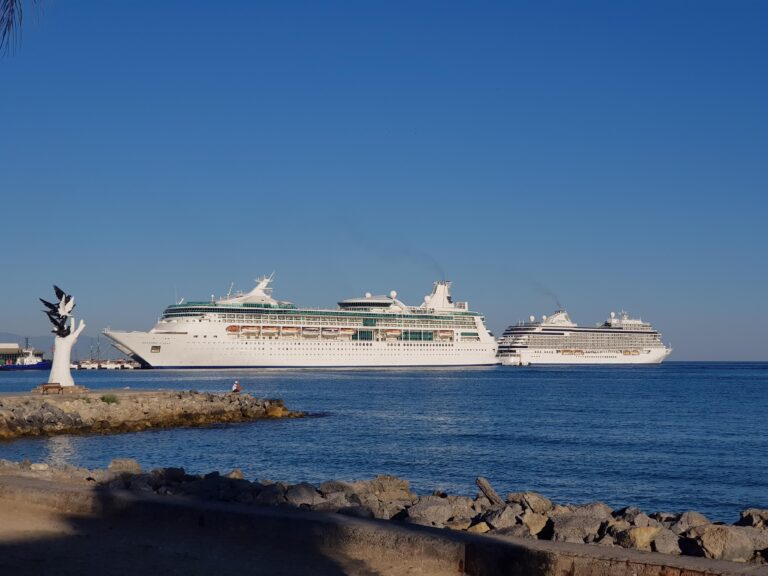
You’ll mostly be choosing between Kuşadası and Selçuk, and I’ve written a full comparison of the two here if you want the details. For this trip specifically: Selçuk sits right next to Ephesus, so you can walk to the entrance, and it’s quieter overall. Kuşadası is bigger, has more places to stay, and works well if you’re combining this with other stops along the coast, though it also means more cruise ship traffic through Ephesus on the days ships are in port.
Either works. Just don’t assume you need to be in a major city to reach these sites easily. You don’t.
Ephesus Comes First, and It Should
Ephesus is where Paul lived and preached, and it’s easily the best-preserved of the Seven Churches. If you only see one biblical site in Turkey, this is it.
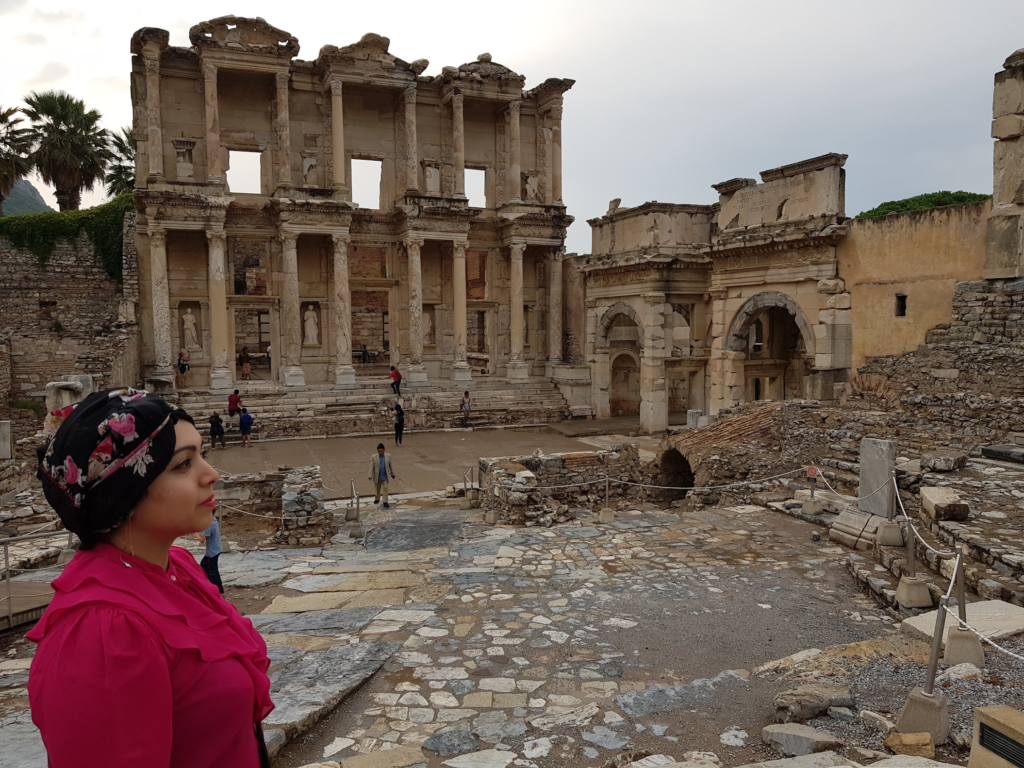
As of 2026, children under 8 get in free, and the main site is covered by the Museum Pass Türkiye. The Terraced Houses, where you can see original mosaics and frescoes from wealthy Ephesian homes, are separate tickets and aren’t included in that pass. Opening hours run roughly 8am to 6pm depending on the season, and ticket offices close about half an hour before the site does, so don’t leave your visit to the last minute.
Also, the entry prices change fairly often, given ongoing inflation in Turkey, so treat any figure here, including the free entry age, as a starting point and check the current fee before you go rather than relying on this article at face value.
I’d say the Terraced Houses are worth the extra money if you want to witness how people lived here, rather than just seeing the public monuments. If you’re tight on budget or time, the main site still gives you the Library of Celsus, the Great Theatre, and most of what people come for.
Before you plan your trip, remember that Ephesus gets packed once cruise groups start arriving from Kuşadası, usually mid-to-late morning. Get there early and the whole experience changes.
I’ve written an entire blog on whether Ephesus is worth the trip; you can read all about it here.
The House of the Virgin Mary Is a Short, Worthwhile Detour
A short drive from Ephesus sits a small stone chapel that many Christians and believe was Mary’s home in her final years. That belief comes from visions described by a 19th-century German nun, Anne Catherine Emmerich, rather than confirmed archaeology, so it’s worth going in knowing that rather than expecting settled historical fact.
Entrance fees here have moved around a fair bit from year to year, so check current pricing before you go instead of trusting any number you’ve seen quoted online. The visit itself is short, but the site itself is tiny, so on days when cruise ships are in port, the line to get in can end up taking longer than the visit itself. It also pairs naturally with Ephesus rather than needing its own trip.
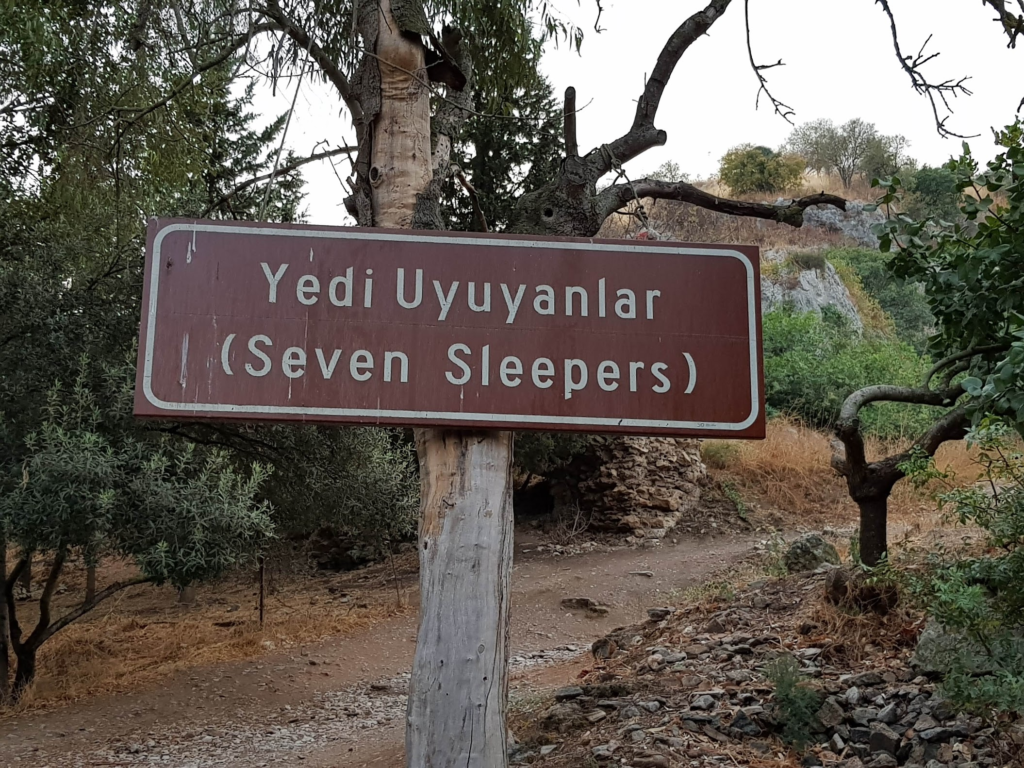
Also, while you are doing a tour of biblical Turkey, dont forget to visit the claimed site of the Seven Sleepers in Turkey. Visits are only from outside due to safety concerns of the cave.
Pamukkale and Laodicea Go Together
Pamukkale’s white travertine terraces aren’t a biblical Turkey site themselves, or part of the Seven Churches, but Laodicea sits only a few kilometres away, so the two pair up well.
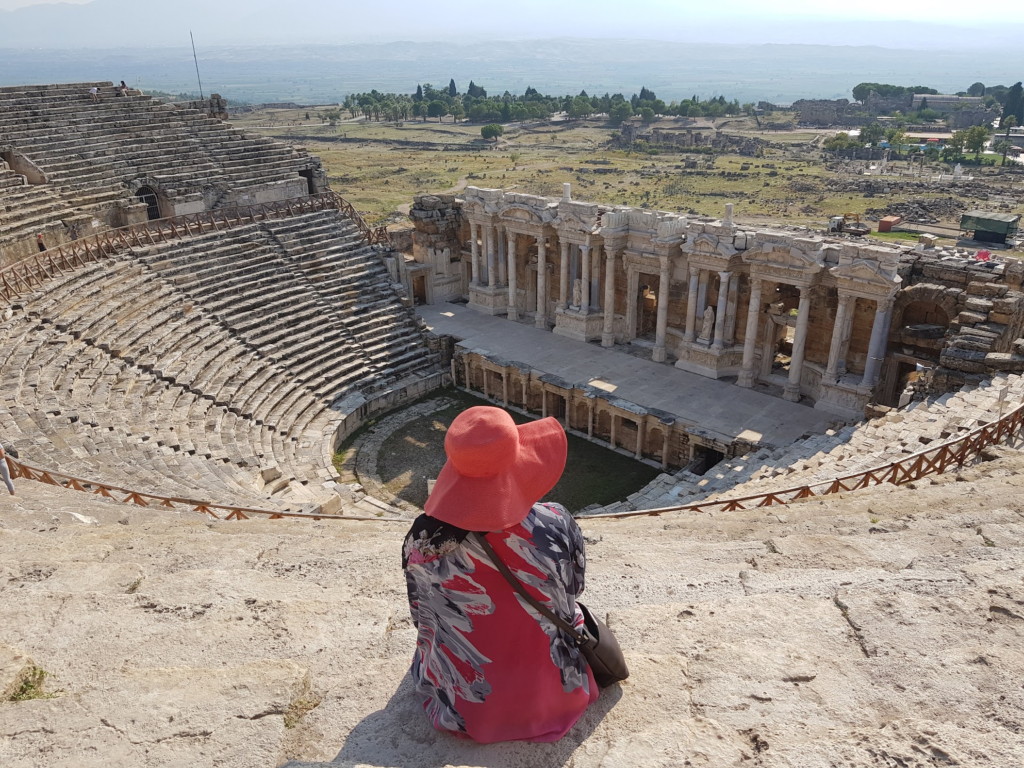
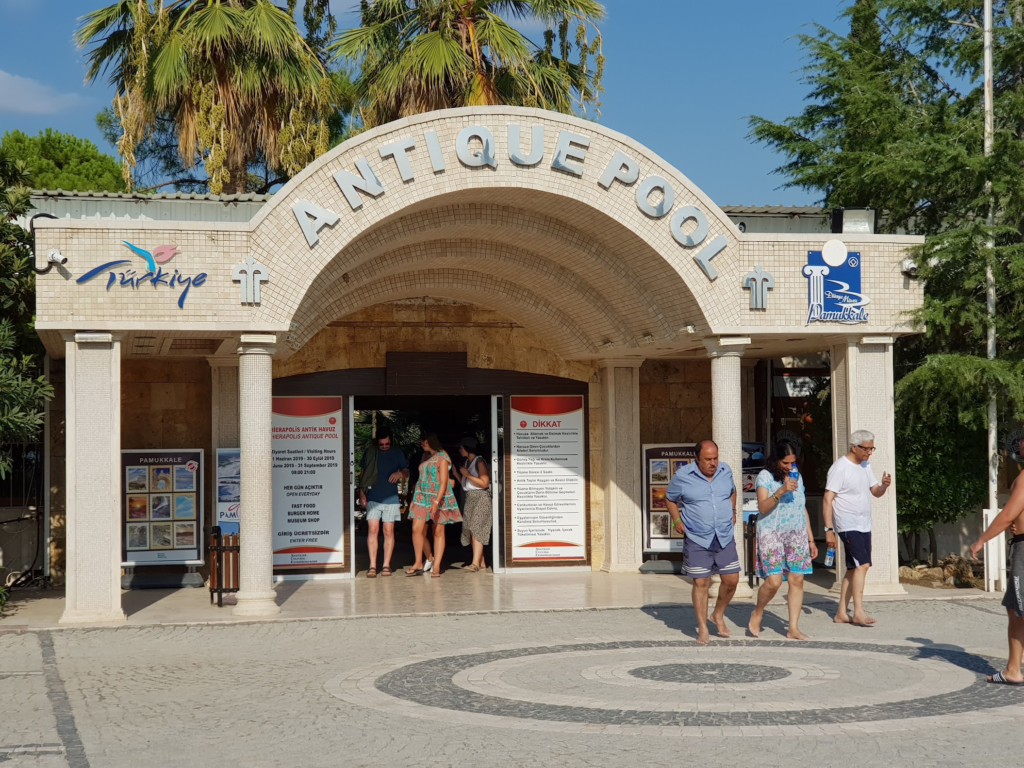
A single combined ticket covers the terraces, the Hierapolis ruins and the on-site museum. Swimming in Cleopatra’s Antique Pool costs extra and isn’t included in any pass, and ticket prices are worth checking before you travel since they do shift. Hours run longer in summer, and getting there early beats both the heat and the tour buses.
Laodicea has its own smaller entrance and far fewer visitors than Pamukkale gets. Pamukkale draws the bigger crowd for good reason; the terraces really are striking, but don’t skip Laodicea if the biblical connection is why you came. It’s quieter and more reflective than Ephesus, and the short detour is worth it.
Planning a Route to the Seven Churches
This is where I see most first-time visitors mess up their biblical Turkey tour. The cities of the seven churches look close on a small map. They aren’t, and they’re also not equally worth the drive, some are substantial sites and others are little more than a few stones behind a fence..
- Ephesus – near Selçuk and Kuşadası. The largest and best-preserved of the seven by a wide margin, worth a full day on its own.
- Smyrna – modern İzmir. What survives is mostly the Agora of Smyrna, an old marketplace that’s held up well, but it’s a genuinely small site, nothing on the scale of Ephesus, so keep your expectations in check.
- Pergamon – modern Bergama. One of the more substantial sites on this list, with a dramatic hilltop acropolis, a steep ancient theatre cut into the slope, and enough spread out across the site to spend a proper few hours.
- Thyatira – modern Akhisar. Only a small amount has ever been excavated, a scattering of column fragments and old street sections tucked between apartment blocks. Worth a stop if you’re passing through, not worth a special trip on its own.
- Sardis – near Sart and Salihli. A genuinely large excavated area, including a gymnasium, a stadium, and the remains of one of the biggest ancient synagogues found anywhere, plus the Temple of Artemis nearby. This one holds its own against Ephesus in terms of scale.
- Philadelphia – modern Alaşehir. The smallest of the seven, really just a handful of standing pillars from an old basilica. You can see everything there is to see in an hour or two.
- Laodicea – near Denizli, close to Pamukkale. Covered above, and worth pairing with Pamukkale rather than visiting on its own.
Covering all seven churches properly means several hundred kilometres of driving. Give yourself at least four days if you’re moving efficiently, and closer to a week if you actually want to walk each site rather than photograph it and get back in the car. Guided multi-day tours take the route planning off your hands, but you pay more for that and move on someone else’s schedule.
You don’t strictly need a guide to visit biblical Turkey sites. Ephesus and Pamukkale are well signed and easy enough to navigate alone. Where a guide earns their fee is at sites like Sardis or Thyatira, where the modern town has grown over much of the ancient one and there isn’t a lot left to explain itself without someone pointing out what you’re actually looking at.
If you’ve only got two or three days, I’d focus on Ephesus and Laodicea, since Laodicea sits right next to Pamukkale anyway. Trying to squeeze all seven into a short trip usually just means long driving days and rushed fifteen-minute stops, which isn’t really seeing anything.
How Many Days You Actually Need
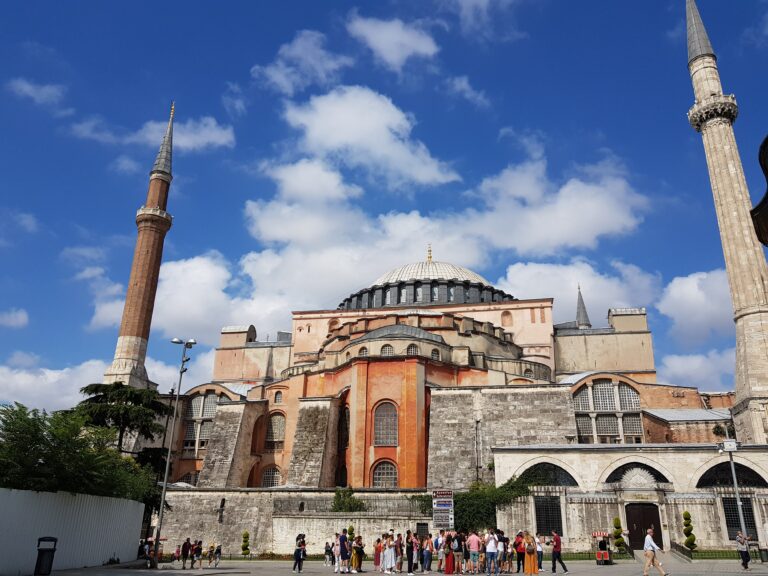
Ephesus plus the House of the Virgin Mary fits into one full day. Add Pamukkale and Laodicea and you’re looking at three to four days, including the three to four hour drive between the coast and Denizli province. Trying to see all Seven Churches pushes that closer to a week.
Squeezing everything into two or three days usually means seeing less of each place properly, not more places overall. Work out which sites matter most to you and build around those, rather than trying to hit the full list on a short trip.
Biblical Turkey is genuinely manageable for a first-time visitor, but you need to have a realistic plan in place. Base yourself near Ephesus, treat Pamukkale and Laodicea as a natural next stop, and only commit to the full Seven Churches route if you’ve got close to a week to give it properly.
If you want a sense of what that looks like in practice, here’s roughly how a guided Seven Churches route tends to run once you’re past the first day or two in Istanbul:
● Day 1 – Arrive in Izmir.
● Day 2 – Ephesus and the House of the Virgin Mary.
● Day 3 – Smyrna and Pergamon, then back to Izmir for the night.
● Day 4 – Thyatira, Sardis and Philadelphia, continuing on to Pamukkale for the night.
● Day 5 – Laodicea and Hierapolis, second night in Pamukkale.
● Day 6 – Depart Pamukkale
That’s a realistic shape for the full route, not a rushed version of it, and it assumes you’re comfortable with several travel days back to back.
Frequently Asked Questions
Can you realistically visit all Seven Churches in a single day?
No. The distances between them alone rule it out, and cramming all seven into one day turns each stop into little more than a photo and a walk back to the car. Four days is a realistic minimum if you’re moving efficiently, and closer to a week if you actually want to see each site properly.
Do you need a visa to visit Turkey for this kind of trip?
Most visitors need an e-visa, arranged online before arrival, though requirements depend on your nationality. Check the official Turkish e-visa portal directly rather than a third-party site, since these rules can change. You can check the updated visa requirements for Turkey from the Official link of the Ministry of Foreign Affairs
How much walking is involved, and is it accessible for people with mobility issues?
More than people expect. Ephesus in particular has uneven marble streets that get slippery, plus a fair amount of ground to cover between the entrances, and there’s very little shade at any of these sites. Wheelchair access is limited, especially at Ephesus and around the Terraced Houses. Sturdy, closed shoes make a real difference, and it’s worth building in rest stops if walking long distances is a concern.
Can Pamukkale and Ephesus be combined into a single day?
Not comfortably. The drive between the coast and Denizli province runs three to four hours each way, so trying to fit both into one day means most of it disappears into travel time. Treat them as separate legs of the trip rather than a single day out.