Is Valencia Good for Digital Nomads? Our Honest Experience
Between us, we have clocked a combined year and a half in Valencia, one of us for several weeks, the other as a full-time resident. We’ve navigated the visa process, the café culture, the apartment hunt, and the bureaucracy that comes with actually building a life here rather than just passing through. So here’s our honest answer to the question we keep getting asked.
Short version: Valencia is one of the best nomad bases in Europe. But it comes with real friction points that most guides don’t tell you about.
Why Valencia Works So Well
The Infrastructure for Remote Work is Genuinely Good
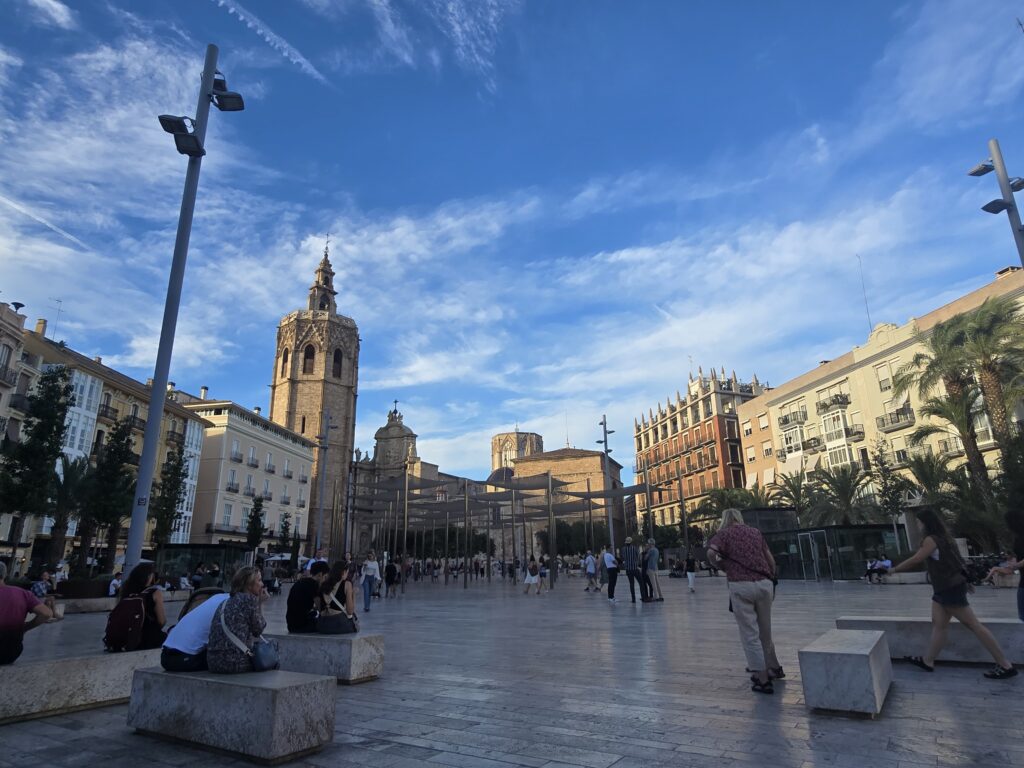
Valencia is flat, walkable, and well-connected by public transport, all of which matters more than you’d expect when you’re trying to organise your day around work. You can move easily between neighbourhoods, get to a café or coworking space without losing an hour to commuting, and generally structure your working day the way you want it.
The café scene is strong. Our personal favourites for getting actual work done: Santander Work Café, which is purpose-built for it with reliable wifi, proper seating, and a setup that actively welcomes people working for extended periods. Sabadell bank also has a similar work café format worth knowing about. And for somewhere a bit more relaxed where no one rushes you along, the café at El Corte Inglés has been quietly brilliant with good coffee, comfortable seating, views, and an atmosphere where you can stay for hours without anyone paying attention.
Cost of Living — Still Competitive, Though Rising
Valencia remains significantly more affordable than Madrid and Barcelona, and cheaper than most Western European nomad hotspots. A good-quality apartment in a residential neighbourhood like Ruzafa or Benimaclet costs considerably less than equivalent space in the capital. Food is cheap — a menu del día (set lunch with three courses) at a local restaurant is one of the better value meals in Europe. Coffee is reasonable, and the city doesn’t try to charge you a tourism premium on everyday things the way some Spanish cities do.
That said: costs are rising noticeably, and anyone who visited Valencia three or four years ago will find things more expensive than they remember. Rents in particular have gone up sharply. Factor this into your budget rather than relying on older guides.
Quality of Life is Hard to Beat
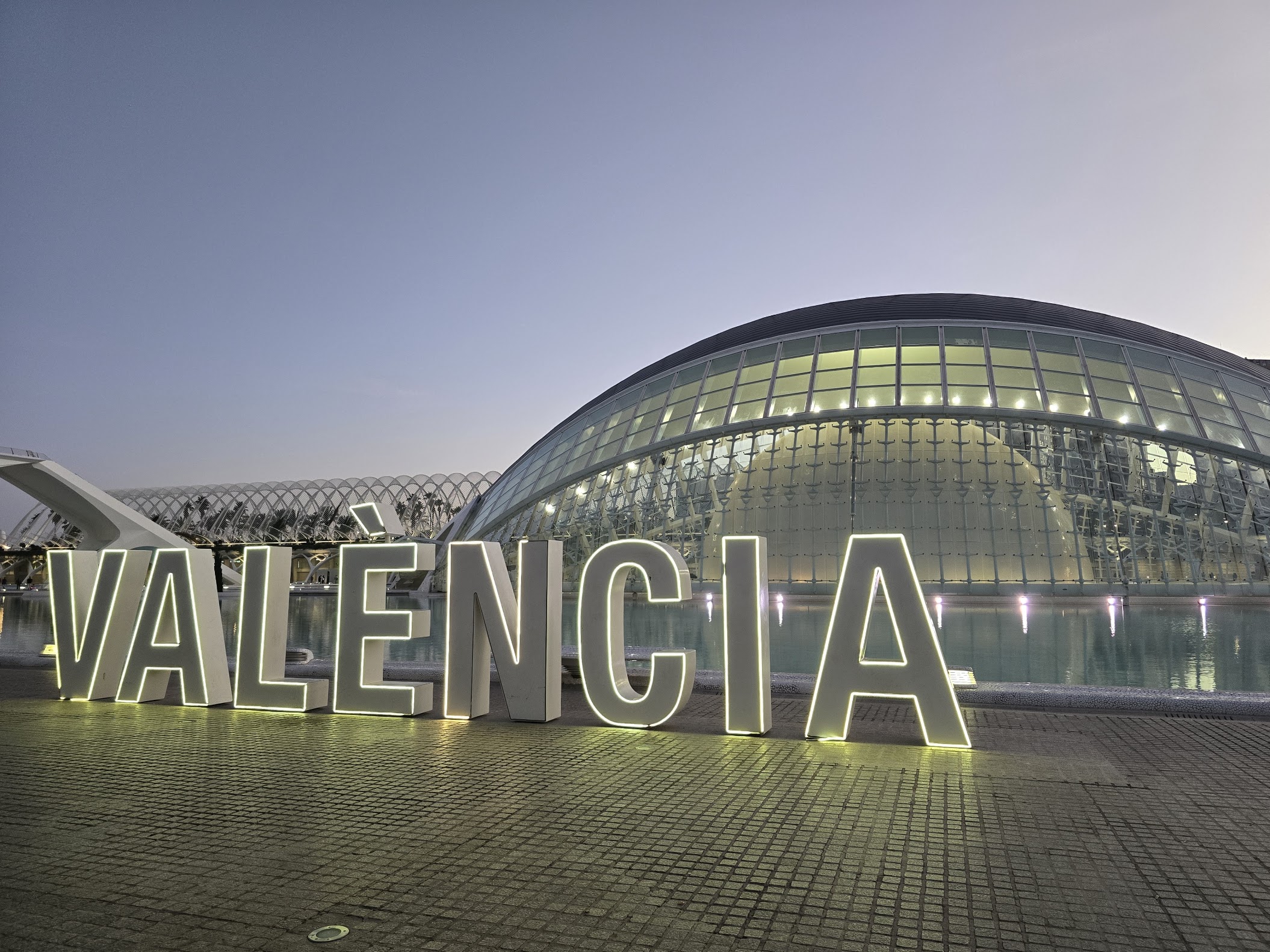
This is the part that’s difficult to put numbers on but is actually why people stay. A flat city that you can cycle across in 30 minutes. A 9km park running through the centre where you can run, walk, or just sit. A beach you can reach by tram. Genuinely good food everywhere. Warm winters. Festivals throughout the year — from Las Fallas in March (which is extraordinary) to the daily Mascleta gunpowder display that you either learn to love or get used to. Valencia doesn’t perform for tourists; it’s a city that actually functions, and that makes it a good place to live rather than just visit.
The Time Zone Advantage
For anyone working with US clients, CET (Central European Time) gives you morning hours to focus before overlap begins. For those working with Middle East or Asian clients, the alignment is similarly workable. It’s not always the first consideration, but it’s one of the practical reasons Valencia works for remote workers from a wide range of backgrounds.
The Digital Nomad Visa: What You Actually Need to Know
Spain launched its Digital Nomad Visa (officially the Autorización de Residencia para Teletrabajadores de Carácter Internacional, under the Ley de Startups) in early 2023, and it’s become one of the more compelling legal pathways in Europe for non-EU remote workers. One of us went through this process for Valencia specifically. Here’s the honest breakdown.
Who Qualifies
- Non-EU nationals working remotely for a company or clients based outside Spain
- Minimum income of around €2,850/month (set at 200% of Spain’s minimum wage — this figure adjusts as the SMI changes, so verify the current threshold before applying)
- At least a university degree, or 3+ years of professional experience in your field
- Your employer or client must have been operating for at least one year
- You must have had a professional relationship with them for at least three months before applying
- Clean criminal record (for your home country and any country of residence in the last five years)
- Private health insurance valid in Spain, with no co-payments, no waiting periods, and minimum €30,000 coverage
If you’re employed, you can work only for non-Spanish companies (up to 20% of your income can come from Spanish clients if you’re freelance). Family members can be included in the application.
Applying From Within Spain vs. From Abroad
You have two routes. Applying from your home country via a Spanish consulate gets you a one-year visa but total timelines run four to six months, and consulate appointment availability varies significantly. The faster route, if you’re already in Spain on a tourist visa, is to apply directly in Spain through the UGE-CE (Unidad de Grandes Empresas y Colectivos Estratégicos), which issues a three-year residence authorization. This is the route we used.
Here’s the part worth knowing: under Article 76.5 of Law 14/2013, the UGE-CE is legally required to issue a decision within 20 working days. If they don’t respond within that window, the rule of Silencio Administrativo Positivo (Positive Administrative Silence) applies, which means that your application is deemed approved by default. In practice, most applications currently resolve within 16–18 working days. It’s not always fast on the front end (document preparation takes significant time), but once submitted the in-Spain route moves relatively quickly.
The Documents Are the Hard Part
Getting your documents in order is where most people underestimate the time and effort involved. Criminal background checks from your home country can take weeks — in some countries, months. Many documents need to be apostilled and officially translated into Spanish by a sworn translator. A missing document or incorrect format can result in a requerimiento (a formal request for additional documents), which pauses the 20-day clock and extends your timeline.
The income threshold also needs to be demonstrated as recurring (bank statements showing regular payments from foreign sources), not a one-off deposit. The UGE-CE is increasingly thorough about this. We’d strongly recommend working with an immigration lawyer, particularly one with UGE experience. The cost is worth it for the reduced risk of a requerimiento or rejection. The document requirements also changes on a yearly basis, so be sure to check the requirements before you apply.
After Approval: NIE, TIE, and Social Security
Once approved, you’ll need to apply for your TIE (Tarjeta de Identidad de Extranjero, your physical residency card) at a local police station. Book this appointment as early as possible; availability is limited in Valencia and waiting times can be several weeks. The appointment slots open up at random times during the week for respective police stations and are available on a first come first book basis. Since there is very high demand for this, the appointment slots get books within the first few minutes of publishing.
You’ll also need your NIE (Número de Identidad de Extranjero), which is your tax identification number and required for virtually everything (signing a lease, opening a bank account, paying taxes. Social Security registration is also mandatory post-approval; failing to register is one of the main compliance issues the UGE-CE now audits.
The Things That Will Test Your Patience
Bureaucracy is Genuinely Difficult
Spain is notorious for administrative complexity, and Valencia is no exception. Getting an appointment at the Extranjería (Foreigners’ Office) or the police station for your TIE can take significantly longer than you expect. Systems are often not joined up — you’ll find yourself needing to visit multiple offices, in person, at different stages of the process. This isn’t a reason not to come; it’s just something to factor into your expectations and timeline. Build in more buffer than you think you need.
Finding an Apartment is Harder Than It Should Be
This is the part that caught us off guard, and we want to be direct about it because it’s rarely mentioned. Many landlords in Valencia are reluctant to rent to you unless you can show a local employment contract or proof of enrolment at a university in the city. For digital nomads — whose income is real but comes from abroad — this creates a genuine barrier that takes persistence to overcome.
We also encountered scams during our apartment search. Some listings involved requests for cash payments before a contract was signed, incorrect information about housemates, and details about the property that didn’t match reality. Our advice: never pay anything before signing a proper contract, verify every detail about the property and its occupants independently, and treat any request for cash upfront as a red flag. Use established platforms and, where possible, visit properties in person before committing.
Rents are also rising quickly. Budget more than older advice suggests, especially for well-located apartments in Ruzafa, El Carmen, or near the university areas.
August is Not for Working
Seriously. August in Valencia is extreme — temperatures regularly hit 35°C+ and the city empties out. Locals leave, businesses close early or shut entirely, and the heat makes it genuinely difficult to maintain productivity even with air conditioning. If you’re planning your Valencia period, avoid anchoring a critical work stretch in August.
The Verdict
| Factor | Rating | Notes |
| Café & cowork culture | ★★★★★ | Santander Work Café, Sabadell, El Corte Inglés café — all excellent |
| Cost of living | ★★★★☆ | Still good value, but rising — budget conservatively |
| Quality of life | ★★★★★ | Flat city, great park, beach access, food, festivals |
| Visa pathway | ★★★★☆ | Clear process, 20-day decision window in Spain — but doc prep is demanding |
| Bureaucracy | ★★☆☆☆ | Painful. Build in extra time at every stage |
| Apartment hunting | ★★☆☆☆ | Harder than expected; scam awareness essential |
| August | ★☆☆☆☆ | Avoid for serious work periods |
| Overall | ★★★★☆ | One of Europe’s best nomad bases — with realistic expectations |
Valencia works for digital nomads precisely because it isn’t trying to be a nomad hotspot. It’s a functioning city with good infrastructure, genuine culture, and a quality of life that makes you want to stay longer than planned. Our main advice: don’t rush the admin, don’t take shortcuts on the apartment search, and give yourself enough time to settle in before deciding how you feel about the place. Most people who give it a proper chance end up extending their stay.
Are you planning a move to Valencia, or already based there? We’d love to hear how the visa process went for you — especially if you navigated the UGE route.