Day Trips from Munich: Which Ones Are Actually Worth It
Munich’s best feature is arguably not Munich. The city sits at the center of a dense regional rail network, and almost everything worth seeing in southern Bavaria is within two hours of the Hauptbahnhof. You can leave after breakfast, spend a full day somewhere else and be back the same evening, without ever packing a bag.
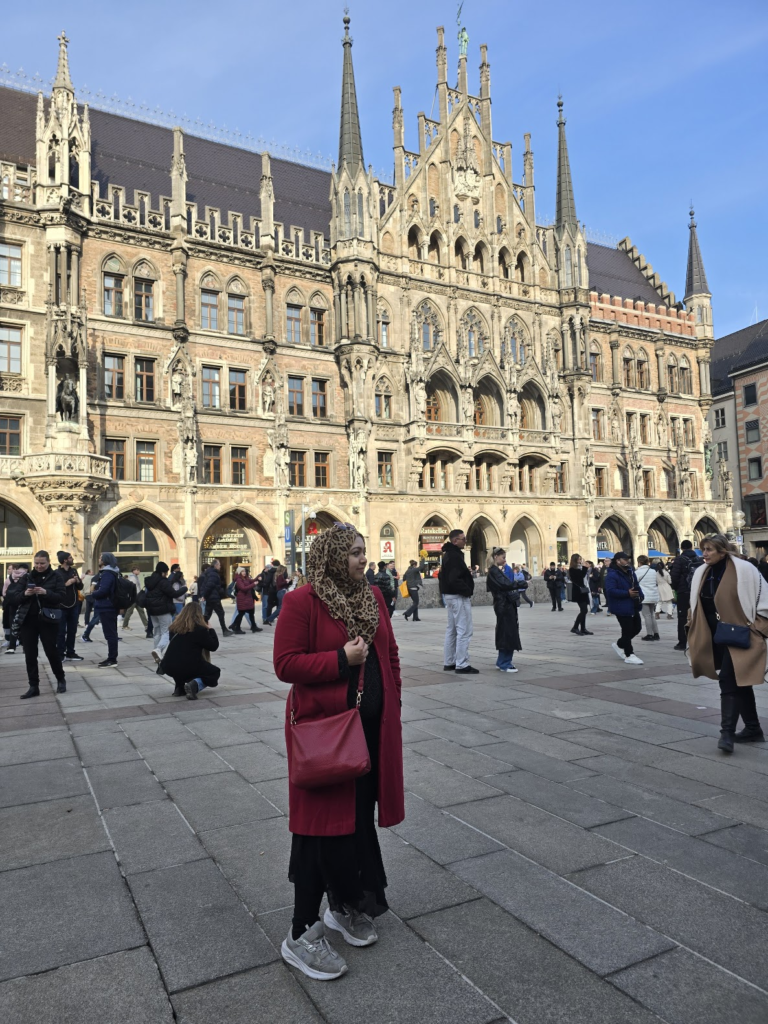
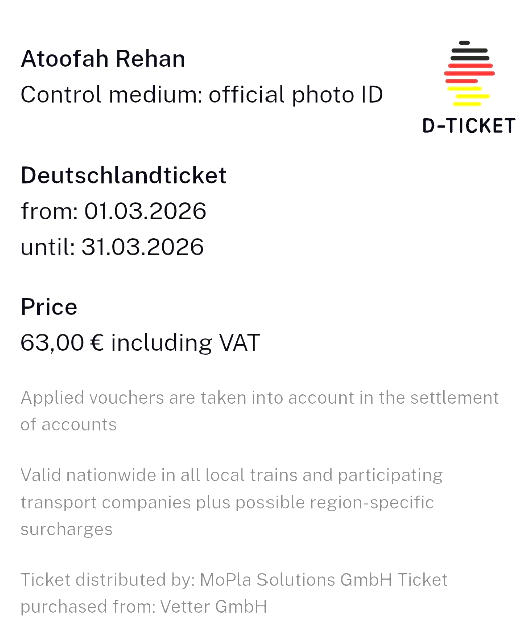
The reason we managed as many of these as we did comes down to one purchase. We bought the Deutschlandticket, a monthly pass covering unlimited local and regional travel across the whole of Germany, which meant every day trip below cost us nothing extra once we had it. No individual tickets, no booking ahead, no working out whether a particular journey was worth the fare.
We spent a week based in Munich and gave four of those days to trips out of the city. This is what I learned about which ones earn a full day and which ones do not.
Choosing between them
Seven destinations are realistically doable as day trips, and they split by how much of the day you spend sitting down. Here they are shortest journey first.
- Garmisch-Partenkirchen, about ninety minutes. Mountains and a gorge. No booking.
- Salzburg, just under two hours. A second country, easy walking. No booking.
- Nuremberg, about two hours on regional trains. Medieval old town and modern history. No booking.
- Neuschwanstein, about three hours door to door. The castle everyone comes for, and the only one on this list that genuinely needs booking well ahead.
- Chiemsee, about an hour to Prien. A lake, a boat and an island palace. No booking.
- Regensburg, about ninety minutes. Medieval streets with very little effort involved. No booking.
Four questions narrow it down quickly. How much of the day are you willing to spend on a train? Do you want a city or a landscape? Does the trip depend on good weather? And does it need booking, because only one of them does.
The four we did
These are the ones I can speak about from experience rather than research, and they cover a reasonable spread of city, mountain and castle.
Salzburg
The one I would prioritize if you can only do a single day trip. The regional train crosses into Austria in just under two hours, and because Salzburg’s main station counts as a border station under German fares, the Deutschlandticket covers the entire journey. That surprises people, and it is the single best value trip on this list. You can read more about how I did a day trip to Salzburg from Munich here
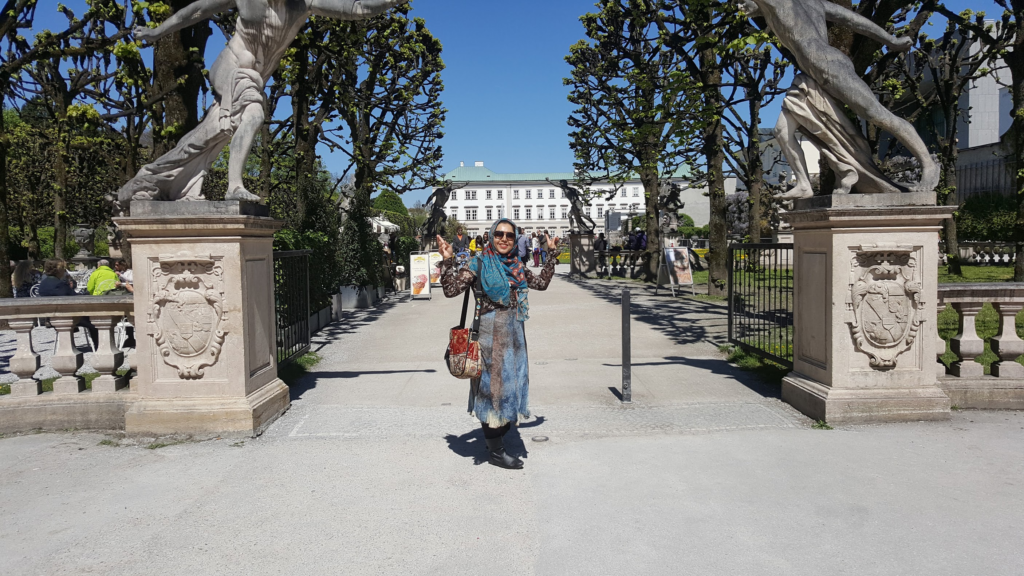
There is more here than the old town, which is what most day trip guides reduce it to. Hohensalzburg Fortress sits above the city and is one of the largest fully preserved castles in Europe, and between that, the Mirabell Gardens, the Mozart sites and the cathedral quarter, a full day fills itself without any effort.
Salzburg also works the same way Munich does, as a base rather than a stop. I ended up staying there for about five days and ran day trips out into the surrounding Austrian towns and villages from it, which is a different trip entirely and one I will write up separately.
Neuschwanstein
The most famous and the most demanding. Three hours door to door, a timed entry slot with no flexibility, and a serious walk uphill at the end of it.
Something worth knowing before you go is that there are two castles at this site, not one. Neuschwanstein is the one on the postcards, and Hohenschwangau sits on the hill opposite, which is where Ludwig II actually grew up. Both are visited by guided tour, both sell through the same ticket center in the village below, and you can do both in a day if you plan for it. Most people arrive knowing about only one of them.
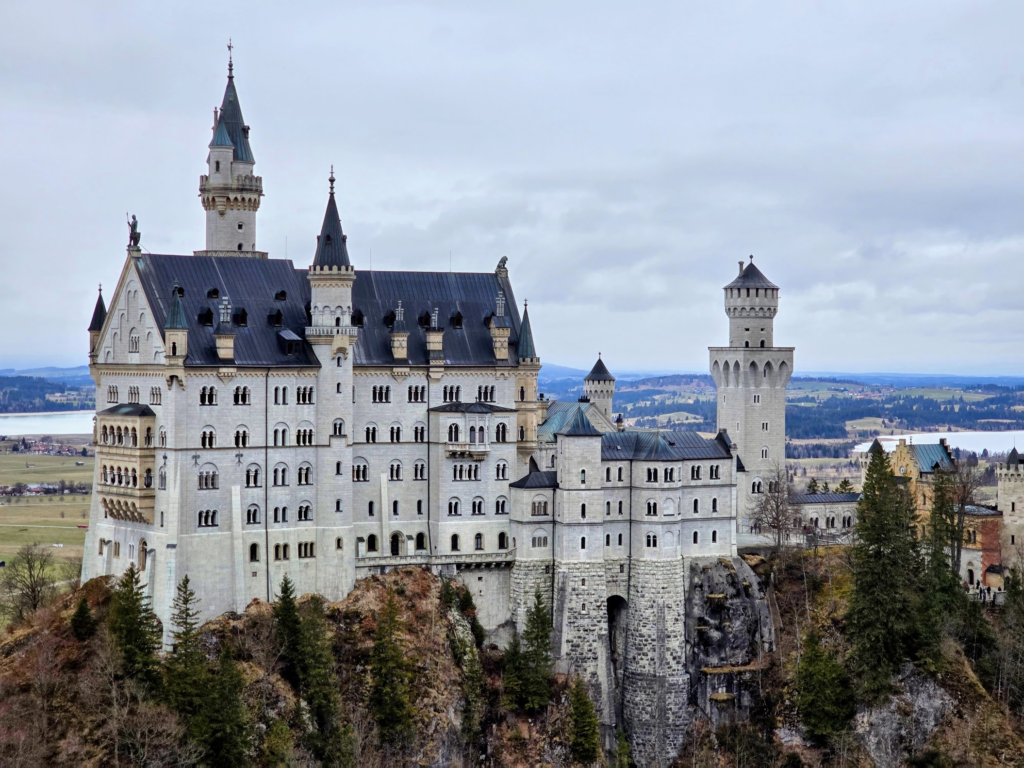
Worth doing, but only with the booking sorted well in advance and a whole day set aside. This is the one where poor planning ruins the day entirely rather than just making it tiring.
Garmisch-Partenkirchen
The Alps in ninety minutes. The catch is that there are two versions of this day, one up the Zugspitze and one in the valley walking the Partnach Gorge, and the mountain costs considerably more than the train.
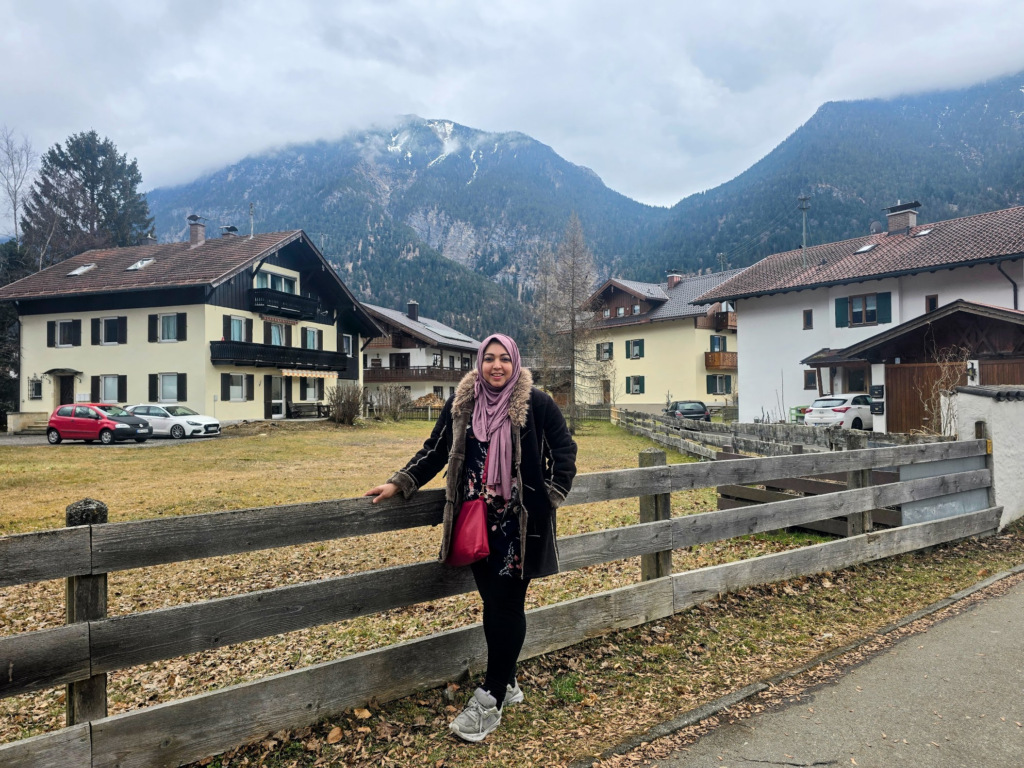
It is also the most weather-dependent trip on the list, so keep it flexible rather than fixing it to a particular day.
Nuremberg
The furthest on a regional ticket and the one I would think hardest about. Two hours each way, and a city that holds three substantial things rather than one.
There is the medieval old town with the Imperial Castle, the Kaiserburg, sitting above it. There is the Documentation Center at the former Nazi Party Rally Grounds, which covers the city’s twentieth century history. And there is the old town itself, which rewards unhurried walking.
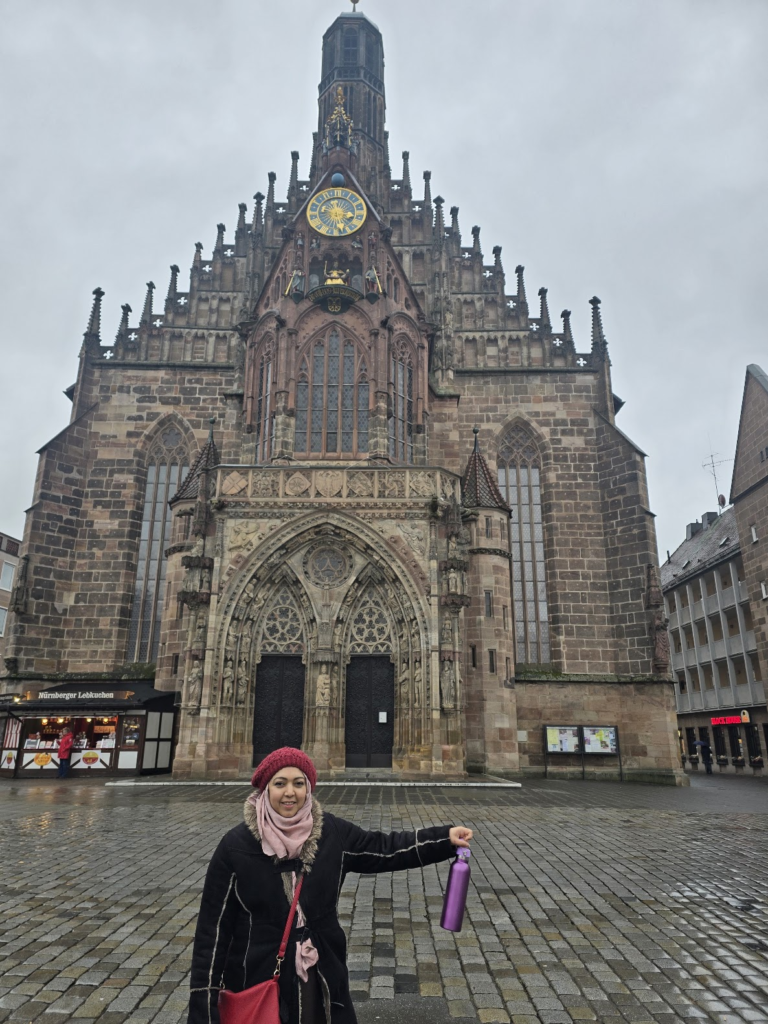
You cannot do all of that properly in a day, so decide which Nuremberg you are visiting before you go. Picking two of the three is realistic. Trying for everything is how you end up seeing none of it well.
Other trips worth considering
We did not get to these, so what follows is research rather than experience. I have flagged that deliberately rather than writing as though I walked around all of them.
Regensburg looks like the strongest of the ones we missed. It is around ninety minutes by direct regional train, it is a UNESCO listed medieval city with a twelfth century stone bridge across the Danube, and the old town is compact. Of everything on this list, it asks the least of you for what it gives back.
The Dachau Memorial is the other significant one we did not reach, and it is the omission I would correct first on a return trip. It sits about forty-five minutes from the city, entry is free, no booking is needed and it opens daily. Everything I have read and heard says to give it a proper half day and to leave the rest of that day light rather than scheduling something demanding afterwards. It is not sightseeing in any normal sense and it should not be squeezed between other stops.
Chiemsee is Bavaria’s largest lake, reached in about an hour to Prien, with a boat out to the island palace of Herrenchiemsee. The honest caveat is that the ferry logistics eat a chunk of the day, and the palace interior was left unfinished, so anyone expecting a second Neuschwanstein may be disappointed. As a lake day rather than a palace day it makes more sense.
Augsburg is the quickest city trip from Munich, at roughly half an hour on a fast train and around three quarters of an hour on regional services. The Fuggerei, founded in 1521 and still functioning as social housing, is unlike anything else in the region.
Bamberg is a genuinely beautiful UNESCO town, but at well over two hours each way on regional trains it takes too much of a single day. It is better as an overnight or as a stop on a longer route.
The lakes closer to the city are the ones most visitors overlook. Starnberger See, Ammersee and Tegernsee are all under an hour from Munich, which makes them half day trips rather than full ones. On a hot summer day I would take one of these over a two hour train to a town.
How many should you do?
Four in a week is manageable, and it is what I would still do myself. The thing that matters more than the number is how you space them.
Our mistake was not doing four trips. It was doing four in five days. By the last one we were tired enough that Nuremberg, which deserved real attention, got the worst version of us. Every one of these is a full day with an early start, and the tiredness compounds rather than resetting overnight.
Spread the same four across a full week with a clear break in the middle and it works completely differently. I would plan two trips, then a day in Munich with nothing to catch, then the remaining two. A day without a train to make is worth more than it sounds after several consecutive early starts.
If you are not used to heavy travel, or you would rather come back rested than having seen everything, three is the number to aim for. Keep the break in the middle either way.
I would also alternate rather than stack. Putting the two longest days back to back was the other thing I would change, and following a long day with a shorter one would have worked considerably better.
What makes a day trip go wrong
The failures are consistent and they are almost never about the destination. All four of ours came down to the same handful of things.
Leaving late is the biggest one. A train at eight versus a train at ten is the difference between a full day and a rushed afternoon, and on longer trips it can halve your time on the ground.
Missing the train entirely is the one we did repeatedly. We lost trains to not finding the right platform in time, and to simply arriving late at the station. The only reason this never cost us a day was the Deutschlandticket, which meant we had no reservation to lose and could step onto the next regional service without paying again or rebooking anything. On a ticket tied to a specific train, each of those misses would have been an expensive problem.
Boarding the wrong kind of train is the next one, and it has two versions. The fast long distance services, which are the ones marked ICE, are not covered by the Deutschlandticket at all, and the Deutsche Bahn journey planner shows them first because they are quickest. Filtering your search for local transport only solves that.
The second version is subtler. A direct regional train and one that stops every ten minutes are both covered by the ticket, but they are not the same journey. We missed a direct train once and took the stopping service instead, which added an hour to a trip that should have been straightforward. Check what you are actually boarding rather than just that it is going the right way.
Fixing weather-dependent trips to a set date is the third. The mountain days in particular should stay flexible.
Treating a day trip as a half day is the fourth. None of these leave room for something else afterwards, and the ones involving a walk at the end leave no room at all.
Getting the transport right
Nearly all of these run on regional trains, which means one ticket covers an entire week of day trips. We bought the Deutschlandticket and it covered every journey in this article, including Salzburg. There was nothing else to buy and nothing to book.
Why the train beats a car here
We deliberately did not rent a car, and I would make the same choice again for reasons that have nothing to do with parking.
The first is that you can sleep on the way back. After a full day on your feet, an hour or two on a train where you can doze is a different experience from the same journey with someone having to drive it.
The second is that German regional trains are set up for working. There are tables, charging sockets and wifi that is good enough that I ran actual meetings from the morning ride without any trouble. If you work remotely, the travel time stops being dead time, which changes the maths on whether a two hour journey is worth it. The one place the connection gets patchy is heading into the Alps, so plan around that if your day trip is Garmisch.
The third is luggage. Every station has lockers, which means that if you are carrying a laptop or anything else you would rather not walk around a new city with all day, you can lock it up on arrival and collect it on the way back.
Final thoughts
The best day trips from Munich are the ones you choose deliberately rather than collecting. Salzburg if you want a second country, Garmisch if you want mountains, Neuschwanstein if the castle is the reason you came, and Nuremberg if you want history with weight to it.
Pick three or four, space them with a rest day in the middle, book Neuschwanstein early if it is one of them, and buy the Deutschlandticket before you do anything else. It is the single decision that makes all the others cheap.
FAQs
What is the best day trip from Munich if you only have one day?
Salzburg, for most people. It gives you an entirely different city in a different country, the old town and the fortress fill a day comfortably, and the Deutschlandticket covers the journey. If the castle is why you came to Bavaria, take Neuschwanstein instead and accept that it is a harder day.
Can you do day trips from Munich without a car?
Yes, and a car would be a liability on most of them. Every destination here is reachable by train, parking in the old towns is expensive and awkward, and on the train you can sleep on the way back or work on the way out.
Can you actually work on German trains?
Mostly yes. Regional services have tables, sockets and wifi reliable enough for video calls, and I did morning meetings from the train without problems. The connection drops heading towards the Alps, so Garmisch is the one trip where I would not plan to work.
How many day trips can you realistically fit into a week?
Four is manageable if you space them, with a rest day in the middle rather than running them consecutively. Three is the better number if you are not used to heavy travel. Four in five days, which is what we did, is too many.
Which day trips work in winter?
Nuremberg and Regensburg hold up well, and the Christmas market season is a genuine reason to go. We did Neuschwanstein at the end of February and the viewing bridge was open during light snowfall, though visibility dropped sharply once the snow got heavier. Garmisch depends entirely on what you plan to do there.
Are guided tours from Munich worth it?
Only if you would rather not organize anything. They cost considerably more than a train ticket, give you less time at the destination, and remove your ability to change plans when the weather turns. After Neuschwanstein, rain closed the shops in the village and there was nothing left to do, so we simply took an earlier train back. On a tour you wait for the coach.