Best Time to Visit Berlin: A Practical, Honest Guide by Season
Berlin is a city you can visit year-round, but the experience varies significantly by season. We’ve been in September / October (warm, busy, brilliant) and in March (cold but can be great depending on where you visit), and both taught us something different about how the city changes. Here’s our honest breakdown.
Quick Season Overview
| Season | Months | Temp | Crowds | Best For |
| Spring | Mar–May | 5–18°C | Low–Moderate | Fewer crowds; cherry blossoms in April; shoulder pricing |
| Summer | Jun–Aug | 18–25°C | High | Festivals, parks, outdoor culture — the city at its most alive |
| Autumn | Sep–Oct | 10–20°C | Moderate | Best overall balance; Festival of Lights in October |
| Winter | Nov–Feb | −2–5°C | Low (Dec peak) | Christmas markets; budget prices; cosy indoor culture |
September: Our Top Pick
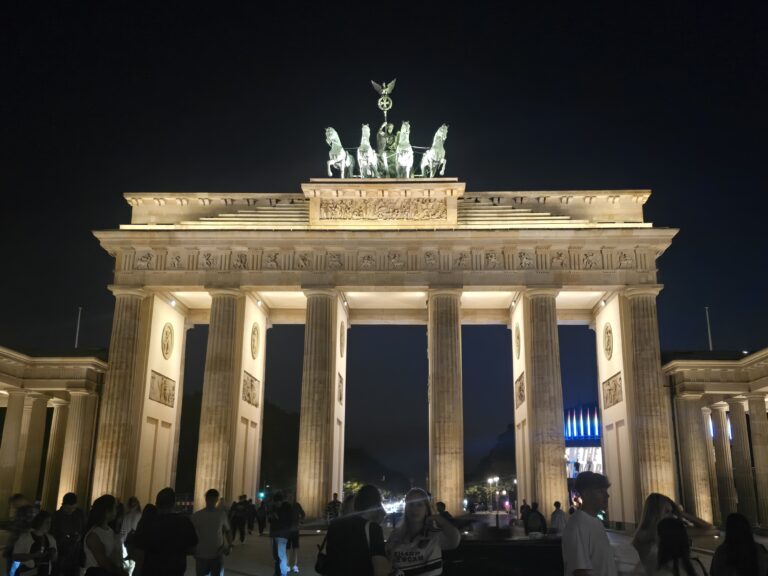
We first visited Berlin in September and it was close to perfect. The summer crowds had thinned, the weather was genuinely warm (around 18–22°C during the day), and the city was in a kind of golden late-summer mode. The outdoor markets were still running and the parks were full of locals and tourists alike. September also hosts the Berlin Art Week, the Berlin Marathon (one of the world’s six Abbott World Marathon Majors, with a spectacular course past the Tiergarten and Brandenburg Gate), and the Long Night of Museums, where dozens of institutions stay open until midnight.
It’s the sweet spot between peak-season crowds and the grey chill of autumn. If you have one window to visit and no specific festival preference, September is our recommendation. We were pretty lucky with the weather and had full days of sunshine when we visited cities with walking tours. And if you’re still on the fence, here’s our honest review of our first trip to Berlin.
October: The Festival of Lights
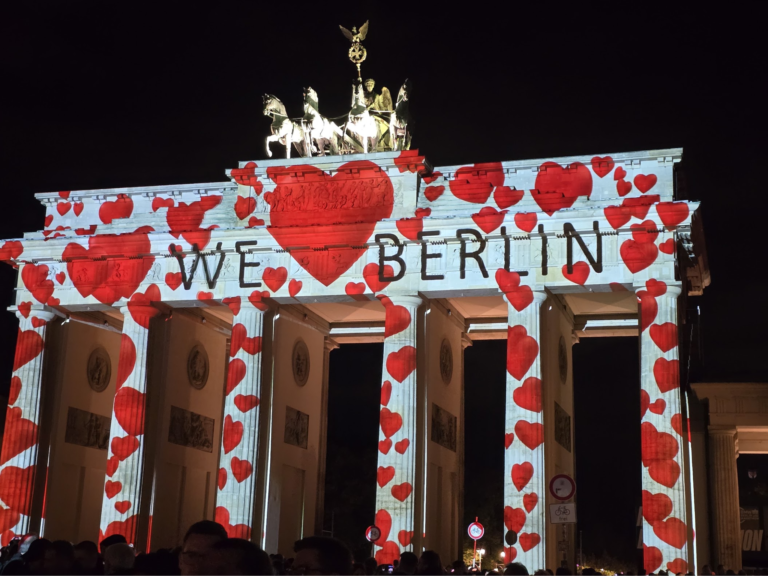
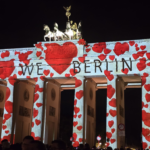
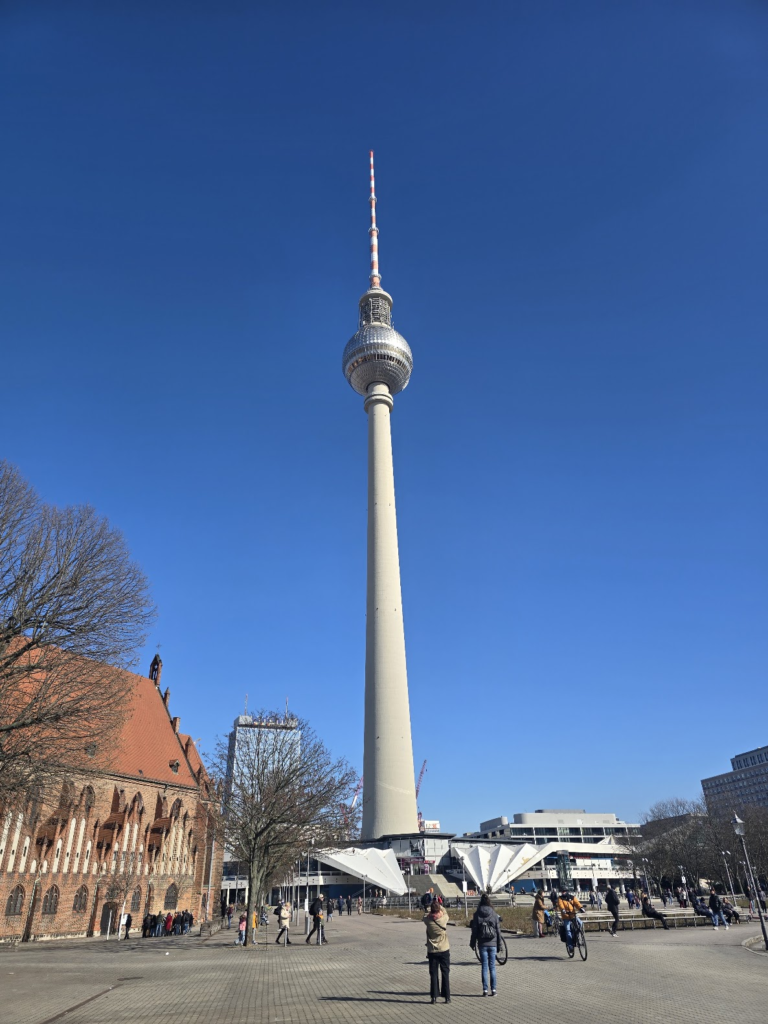
October brings the Berlin Festival of Lights, our favourite ten days in mid-October when the city’s landmarks are brought to life by projections and light illuminations. The Berliner Dom, the Brandenburg Gate, the TV Tower, and dozens of other buildings become canvases for artists and designers. It’s completely free to walk around, and the combination of autumn colours and the light displays makes the city look extraordinary. If this falls during your potential travel window, we’d plan around it.
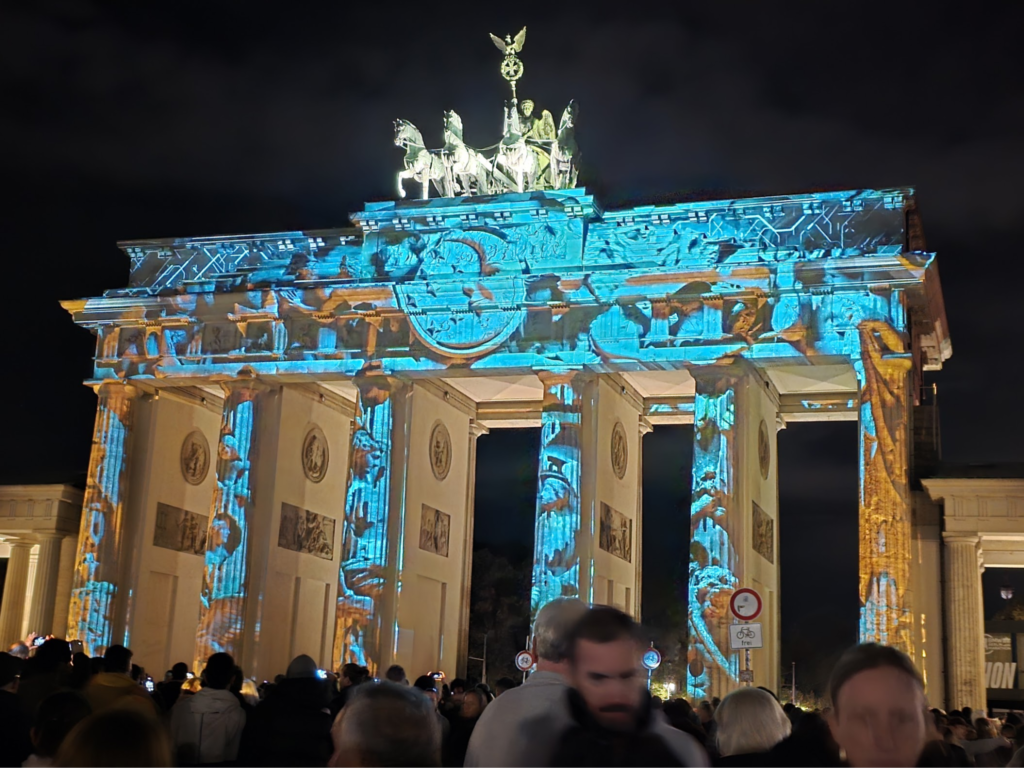
Temperatures start dropping in October (10–15°C by late month), so pack layers, especially if you are visiting the festival of lights in the evening.
Summer (June–August): Festivals and Long Days
Berlin in summer is a different city. The parks like Tiergarten, Tempelhofer Feld, and Mauerpark fill up and the outdoor culture is in full swing. June brings the Fête de la Musique, a free city-wide music festival. July hosts the kite festival at Tempelhofer Feld, where the enormous former airport field becomes a sea of kites against a sky that feels impossibly wide. These are genuinely joyful events.
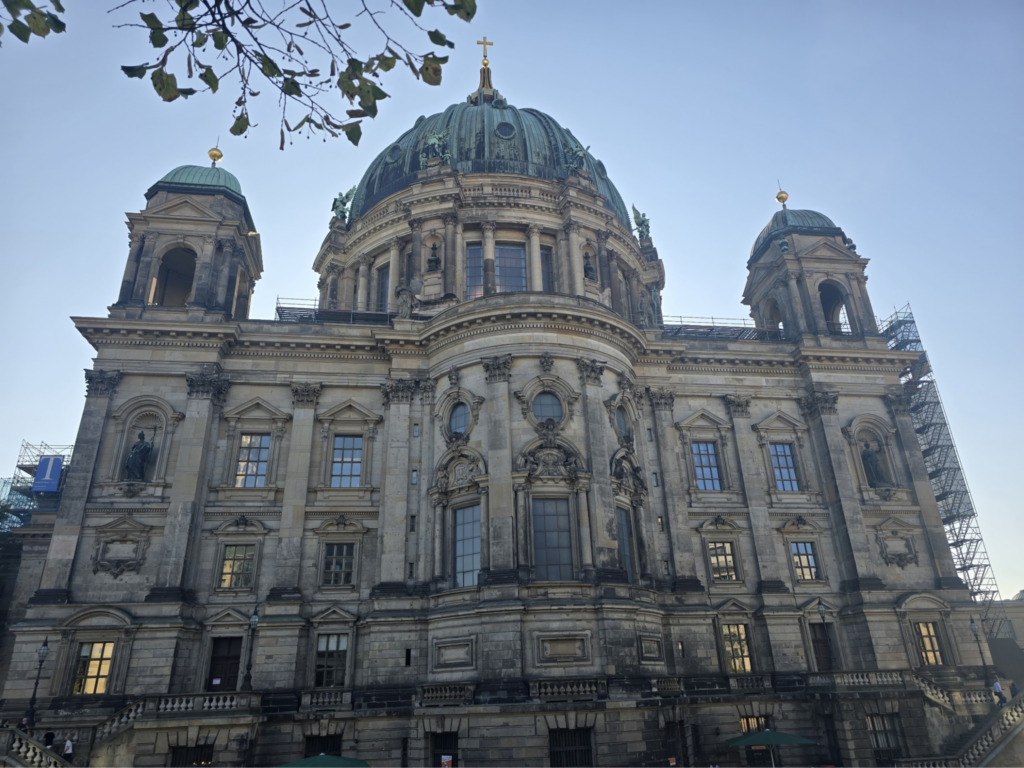
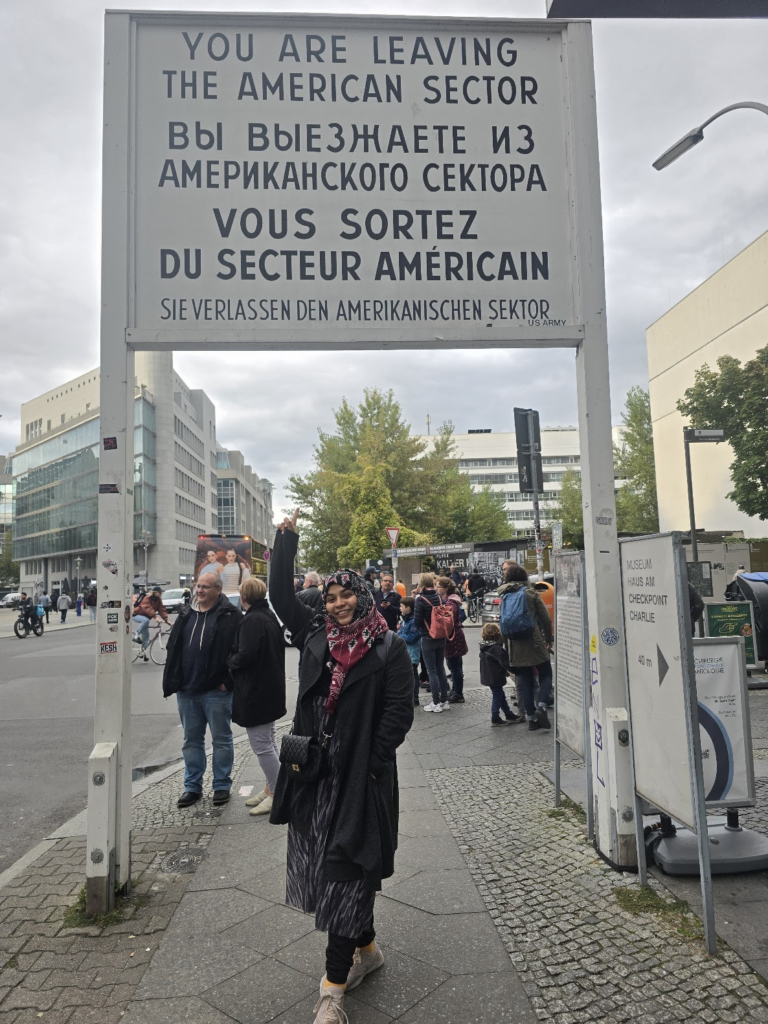
The trade-off is crowds and higher hotel prices. Popular attractions like the Reichstag dome fill up further in advance, Museum Island queues are longer, and Checkpoint Charlie becomes something of a tourist conveyor belt in peak season. Go early in the day for outdoor sights and book everything that requires a time slot well ahead. However, you have the benefit of long days with plenty of sunshine.
Spring (March–May): Approach With Realistic Expectations
March is genuinely cold and grey, we were in Berlin in March and found it the less rewarding of our two visits. The city is at its quietest (and cheapest), but the outdoor culture that makes Berlin special is largely absent. Museums and indoor attractions are excellent value and uncrowded, but if your Berlin mental image involves Tiergarten walks and outdoor food markets, March will disappoint.
April and May are a different story. Temperatures rise to 12–20°C, cherry blossoms appear across the city in April, and the Mauerpark flea market and outdoor events gradually resume. By May, Berlin starts to feel like itself again. If you can hold out until May, the shoulder-season value of spring holds while the outdoor experience starts to come alive.
Winter (November–February): Christmas Markets and Budget Travel
Winter in Berlin is cold, and often below freezing at night with the possibility of snow. What winter does offer is the Christmas market season (late November through December), which transforms the city. Charlottenburg Palace and Alexanderplatz both host beautiful markets with seasonal food and festive lighting. If you’re visiting in December, this is genuinely lovely.
January and February are the quietest and cheapest months. The Berlinale Film Festival runs in February and draws a significant crowd, but otherwise it’s a calm, good-value window for people primarily interested in museums, thanks to the thin crowds. Hotel prices are notably lower than summer, and you’ll have Berlin’s major attractions largely to yourself.
One note from our experience: the weight of Berlin’s history sites feels different in winter. Standing at the Memorial to the Murdered Jews of Europe or Checkpoint Charlie in the cold and rain has a particular solemnity that’s harder to access in the cheerful buzz of summer.
Month-by-Month Summary
| Month | Temp | Crowds | Key Events | Rating |
| January | −2–3°C | Very low | Berlinale prep | ★★★☆☆ |
| February | −1–5°C | Low | Berlinale Film Festival | ★★★☆☆ |
| March | 2–10°C | Low | City quiet; shoulder season | ★★☆☆☆ |
| April | 6–15°C | Low–Mod | Cherry blossoms; Gallery Weekend | ★★★★☆ |
| May | 11–19°C | Moderate | Parks reopen; Carnival of Cultures | ★★★★☆ |
| June | 15–23°C | High | Fête de la Musique; long days | ★★★★☆ |
| July | 17–25°C | High | Kite festival; open-air cinema | ★★★★☆ |
| August | 17–25°C | High | Peak season; higher prices | ★★★☆☆ |
| September | 11–20°C | Moderate | Berlin Marathon; Art Week | ★★★★★ |
| October | 7–15°C | Moderate | Festival of Lights; Unity Day | ★★★★★ |
| November | 2–8°C | Low | Jazzfest; markets begin | ★★★☆☆ |
| December | −1–5°C | Moderate (markets) | Christmas markets; New Year | ★★★★☆ |
Practical Notes
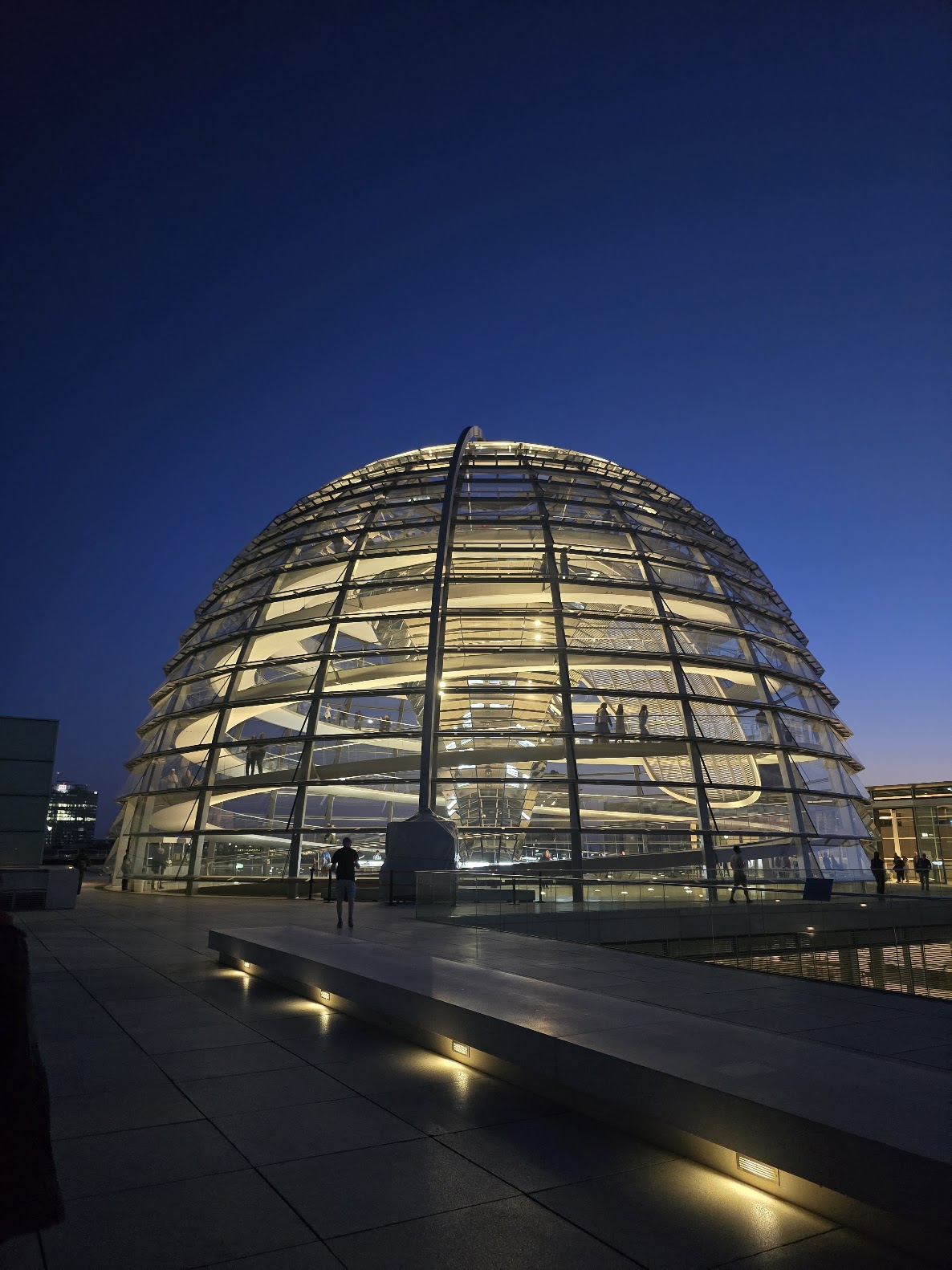
- Book the Reichstag dome visit online well in advance, free to visit, but slots fill up, especially in summer and October. Go in the evening an hour before sunset so you can see it in both day and evening light
- The Deutschland-Ticket (€63/month as of 2026) covers unlimited public transport across Germany and is excellent value for any multi-day visit. We always get ours from the mo.pla website.
- Berlin’s weather is famously unpredictable so always pack a rain jacket and a warm layer, even in summer
- Hotel prices spike during major trade fairs (ITB in March, IFA in September) and the Christmas market period so book early for these windows

- Cash is still widely preferred in Berlin; many restaurants, cafés, and market stalls don’t accept cards