Things to Do in Paris: A First-Timer’s Guide to the City of Love
Paris throws a lot at you in a short amount of time, and most guides respond by listing everything the city has instead of telling you what’s actually worth your limited days. In this guide, I’m recommending the things I did on my own first trip to Paris, what genuinely surprised me, and what I’d skip or reorder if I went again.
How Many Days You Actually Need in Paris
Most first-time visitors do fine within three to five days. Three days in Paris enough to hit the major landmarks such as the Eiffel Tower, the Louvre, Notre-Dame, and Montmartre, but you’ll be moving at a fast clip with little room for anything unplanned. Five days lets you cover the same ground at a slower pace and still leave room for a neighborhood walk, a free walking tour, or a half-day trip outside the city.
If you only have one or two days, don’t try to do it all. Pick one or two areas, walk them properly, and accept that you’ll be back.
The Sights Worth Prioritizing
Paris has a handful of sights that show up on every list for good reason, but not all of them deliver equally on the hype. Here’s what I actually thought of each one, and what to know before you go.
The Eiffel Tower
We saw the Eiffel Tower during the day and at night. Trust me when I say, night won by a wide margin. After dark, the tower sparkles for five minutes at the top of every hour, starting from nightfall. We had no idea this was coming and were genuinely caught off guard the first time it happened. If you’re planning an evening visit, check the Eiffel Tower’s official lighting schedule before you go, since the exact hours it runs can shift with the season and with Paris’s energy-saving measures.
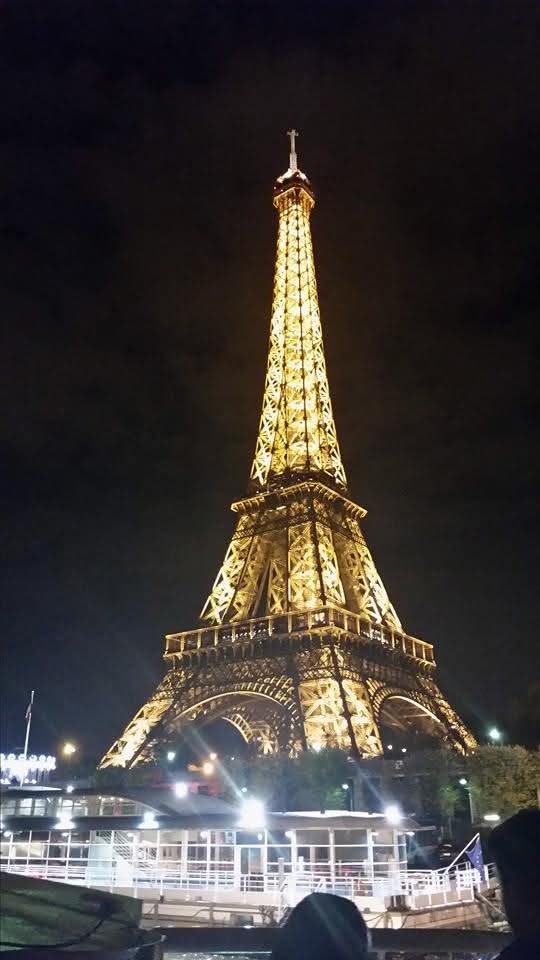
You don’t need to go up the tower to get the experience. We sat in the park in front of it for a long stretch and just took in the view, which cost nothing and was one of the more relaxed parts of the trip.
The Louvre
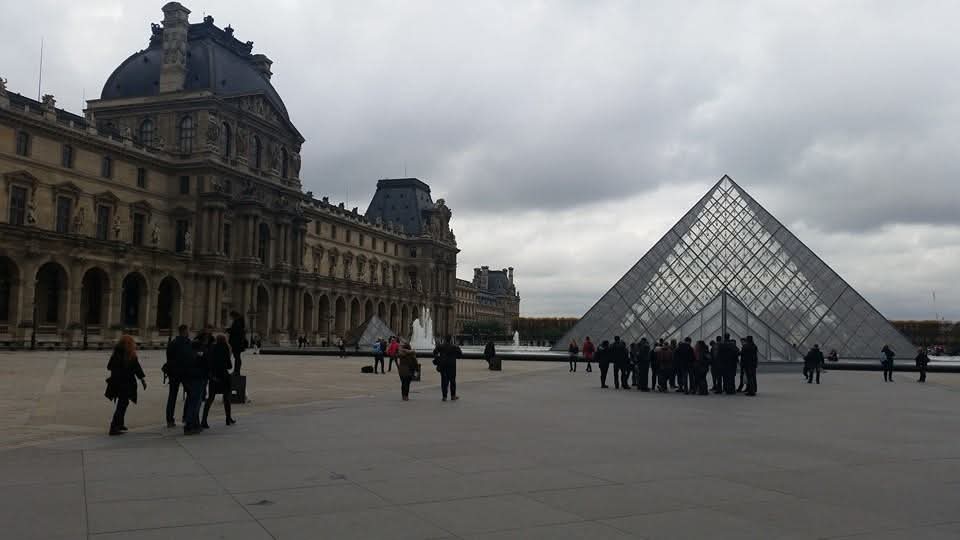
The Louvre is worth going into, but manage your expectations, especially around the Mona Lisa. It’s the most famous painting in the museum, and also one of the most underwhelming things to see in person. It’s small, it hangs far from the entrance behind a thick crowd, and unless you’re genuinely into art history, the walk to reach it can feel like more effort than the payoff is worth.
The rest of the museum has plenty of exhibits and artifacts that are worth a look if you’re in the mood to spend real time indoors. If you’re not, it’s completely reasonable to move through quickly and prioritize sights outside instead.
Pro Tip: the glass pyramid outside is the main entrance, but it isn’t always obvious or well signposted, so give yourself extra time to find it, even if someone’s already told you where it is.
Notre-Dame Cathedral
Notre-Dame reopened to the public in December 2024 after a five-year restoration following the 2019 fire that damaged its roof and spire. The cathedral has stood on the Île de la Cité for more than 800 years and remains one of the most visited landmarks in Paris. Entry to the cathedral itself is free, though it’s worth checking the official site for current visiting hours and any ticketing requirements before you go, since these have changed since the reopening.
Arc de Triomphe and Champs-Élysées
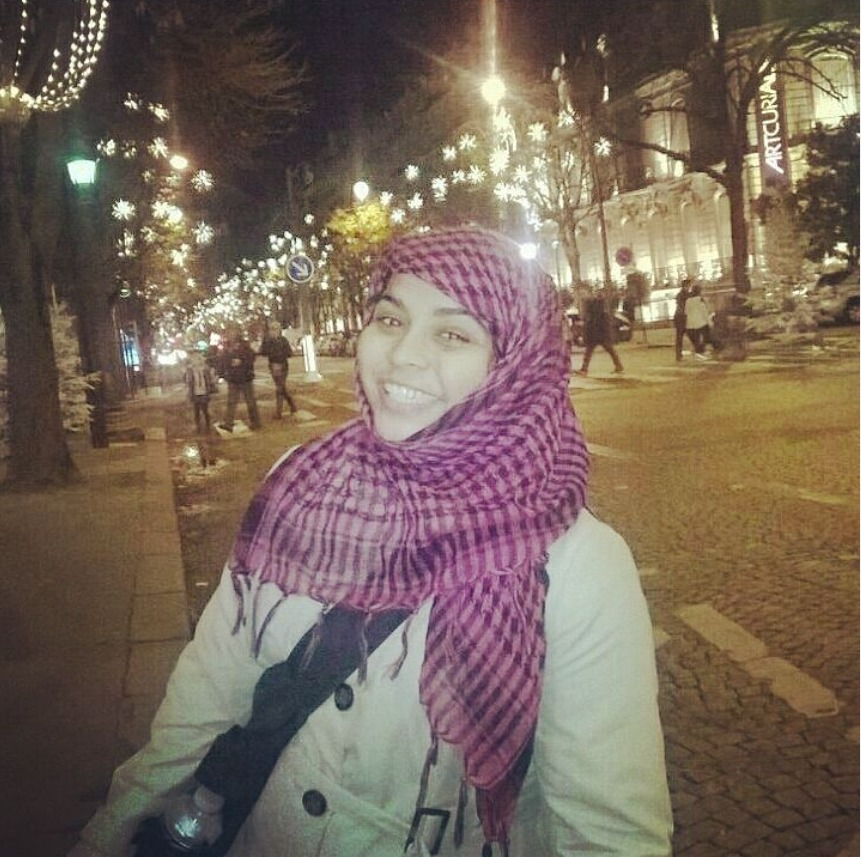
We visited toward the end of November, right as holiday lights and Christmas markets were being set up along the Champs-Élysées, which made for a nice atmosphere we hadn’t planned around. If you’re visiting in late November or December, it’s worth checking whether a Christmas market is running in the area that year, since the setup and dates vary annually.
Sacré-Cœur and Montmartre
Sacré-Cœur sits at the top of Montmartre, the highest point in the city, and getting there involves a genuinely steep climb. We walked up from Anvers station, and it’s worth the effort if the weather cooperates, since the view over Paris from the top is one of the better ones in the city. The basilica itself was built in the late 1800s and early 1900s, largely funded by public donations, and its white domes are visible from a lot of vantage points across Paris.
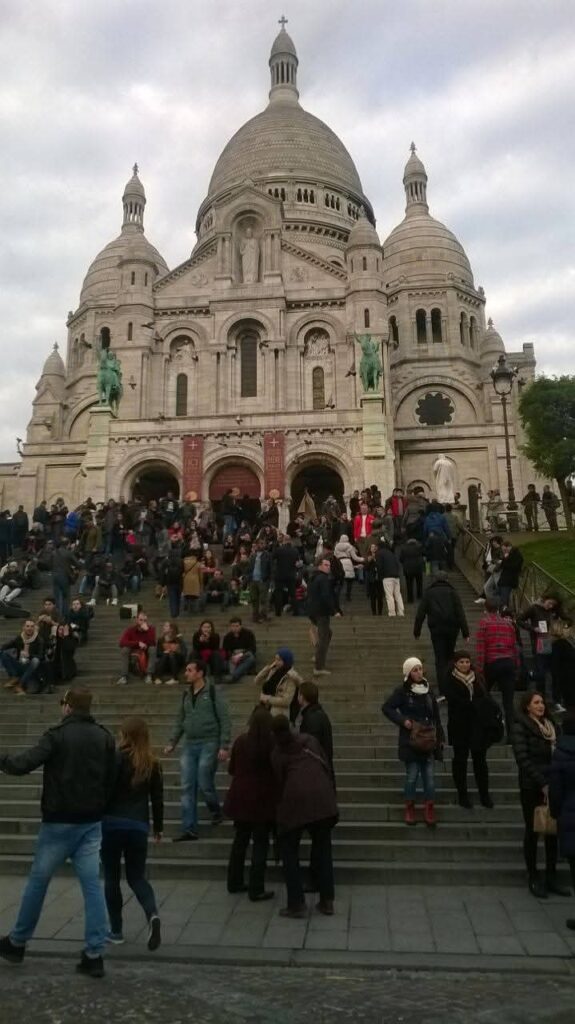
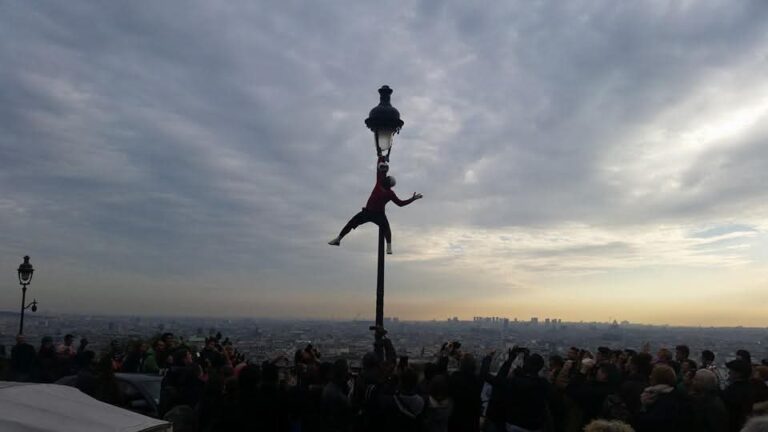
Montmartre in general is worth slowing down for. We spent a long time watching a street performer in the square near the basilica, which turned out to be one of the more memorable parts of the day and wasn’t something we’d planned for at all.
Centre Pompidou
If modern and contemporary art interests you more than classical galleries, the Centre Pompidou was actually more engaging than the Louvre for us — the building’s inside-out architecture alone is worth seeing. That said, check before you plan around it: the Centre Pompidou closed in September 2025 for a major renovation and isn’t scheduled to reopen until 2030, so it won’t be available for most people reading this for the next several years.
A Seine River Cruise
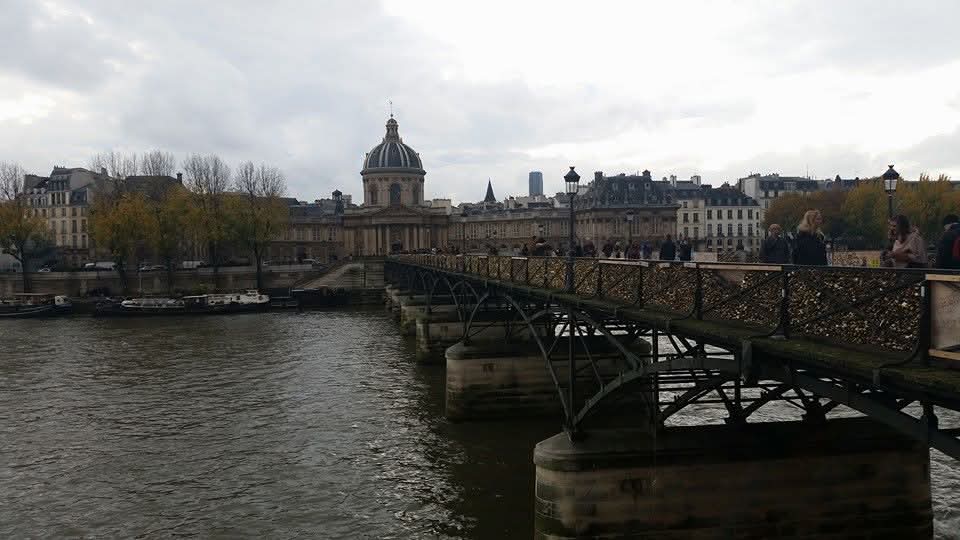
This was the most memorable part of the entire trip. We bought tickets directly from a sales booth near the departure point rather than booking in advance, and went at night to see the city lit up. The cruise ran about an hour, and sitting up front near the guide turned it into one of those unexpectedly fun, slightly ridiculous evenings that ends up being the thing you talk about most when you get home.
Getting Around Without Wasting Time
Paris is dense and mostly walkable within its central arrondissements, but the sights are spread out enough that hopping between them on foot all day will eat your schedule. The metro is the fastest way to cover longer distances, and it’s worth learning the basics of the line and zone system before your first full day rather than figuring it out on the fly.
A free walking tour on your first day is worth doing if your accommodation offers one or you can find one independently. It’s a low-pressure way to get oriented, see a decent stretch of the city, and pick up practical details, like where the actual entrance to a major sight is, before you need that information under time pressure.
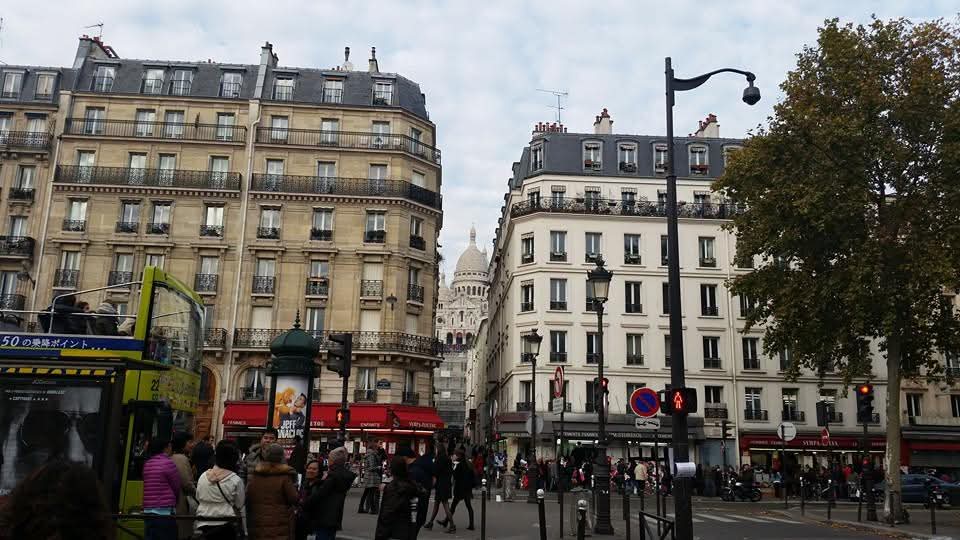
If you’re into something a bit different, keep an eye out for evening rollerblade tours through the city. We came across one on our last night in Paris and it was one of the more unusual, memorable things we saw the entire trip, even though we weren’t participating.
Common Mistakes First-Time Visitors Make
Assuming the Louvre entrance is obvious. It’s the glass pyramid, but it isn’t always clearly marked from the street, and even with directions from a local guide, we still lost time finding it.
Underestimating the Mona Lisa crowd and overestimating the painting. Go in expecting a small canvas and a wall of people, not a room-filling masterpiece.
Not checking whether a major sight is under renovation. Centre Pompidou is closed until 2030, and other landmarks periodically close for maintenance. A quick check of official sites before finalizing your itinerary avoids a wasted trip.
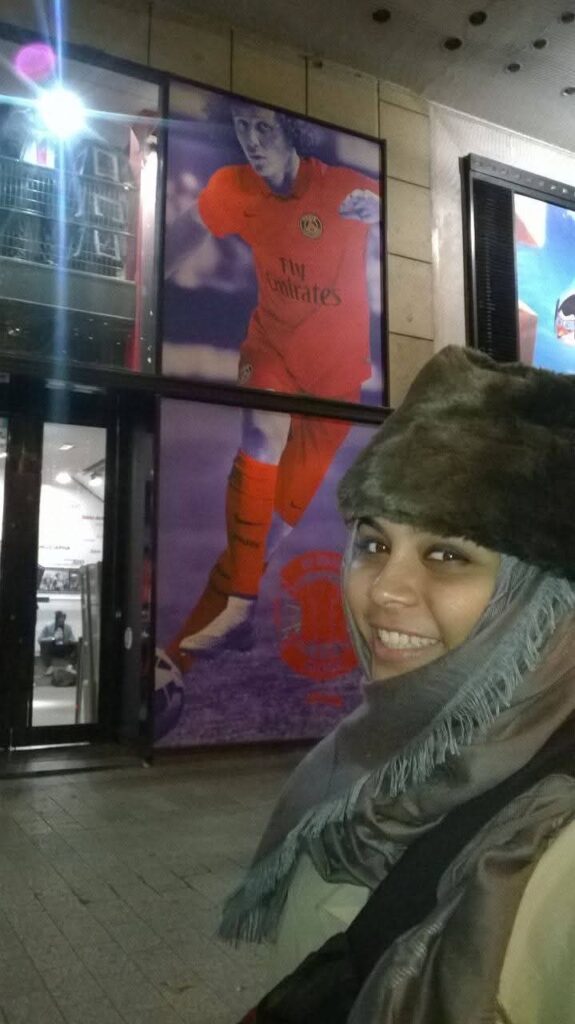
Visiting attractions like sports stadiums without checking hours first. We ended up at Parc des Princes, the PSG stadium, on a non-match day and found it closed. If a specific venue matters to you, confirm its hours or event schedule in advance rather than assuming it’ll be open.
Booking cruise or attraction tickets far in advance out of habit. We bought Seine cruise tickets same-day from a booth near the departure point with no issues. Not everything in Paris requires weeks of advance planning, though it’s worth checking individual attractions since this varies.
When to Visit
We went at the end of November, and the honest takeaway is that I wouldn’t recommend that timing purely for the weather. It was cold and grey for most of the trip. The upside was that accommodation and other costs were noticeably cheaper than they would be in peak season, and we happened to catch the start of the Christmas market season near the Champs-Élysées in the final days of the month. If cost is a bigger priority for you than mild weather, late autumn is worth considering. If you’d rather have better weather for walking and sitting outside near sights like the Eiffel Tower, spring and early autumn are generally milder.
Final Thoughts
Paris rewards visitors who prioritize a handful of sights properly over those who try to see everything on a list. Give yourself enough days to see the Eiffel Tower, the Louvre, Notre-Dame, and Montmartre without rushing, build in unscheduled time to wander, and don’t assume every attraction will be open or exactly as advertised. The things to do in Paris that end up mattering most are often the ones you didn’t plan for at all.
Frequently Asked Questions
Is the Mona Lisa worth seeing in person? It’s worth seeing once for the experience of having seen it, but go in with realistic expectations. It’s smaller than most people expect and usually surrounded by a dense crowd, so it’s not likely to be a visual highlight of your Louvre visit.
Do I need to book Seine cruise tickets in advance? Not necessarily. Tickets are often available same-day from booths near the departure points, though availability can be tighter during peak season, so check ahead if you’re visiting during a busier time of year.
Is Centre Pompidou open right now? Centre Pompidou closed in September 2025 for a five-year renovation and isn’t expected to reopen until 2030. Check the official Centre Pompidou site for updates before including it in your plans.
What time does the Eiffel Tower sparkle at night? The tower sparkles for five minutes at the top of every hour after nightfall. Exact start and end times shift with the season and current energy-saving schedules, so check the official Eiffel Tower site for the current times before you go.
Is a free walking tour worth doing on a first trip? Yes, particularly on your first day. It’s a useful way to get oriented, see multiple neighborhoods in one go, and pick up practical tips, like where to actually find the Louvre entrance, before you need them.