Where to Stay in Valencia, Spain in 2026: Neighborhoods and Hotels by Budget
Valencia used to be one of the most affordable cities in Spain when it came to accommodation, giving it a genuine advantage over Barcelona and Madrid. However, in 2026, the gap has narrowed sharply, but where you stay shapes your experience significantly. Here are some options to choose from.
City Centre vs. Beach: The Main Decision
Valencia’s beach (Malvarrosa) sits about 4km from the historic centre (centro), easy to reach by tram or bus, but far enough that you need to consciously choose. If you want to roll out of bed and into the sea, stay at El Cabanyal or Malvarrosa. If you want to walk to museums, markets, and restaurants without thinking about transport, stay in the old town or Ruzafa.
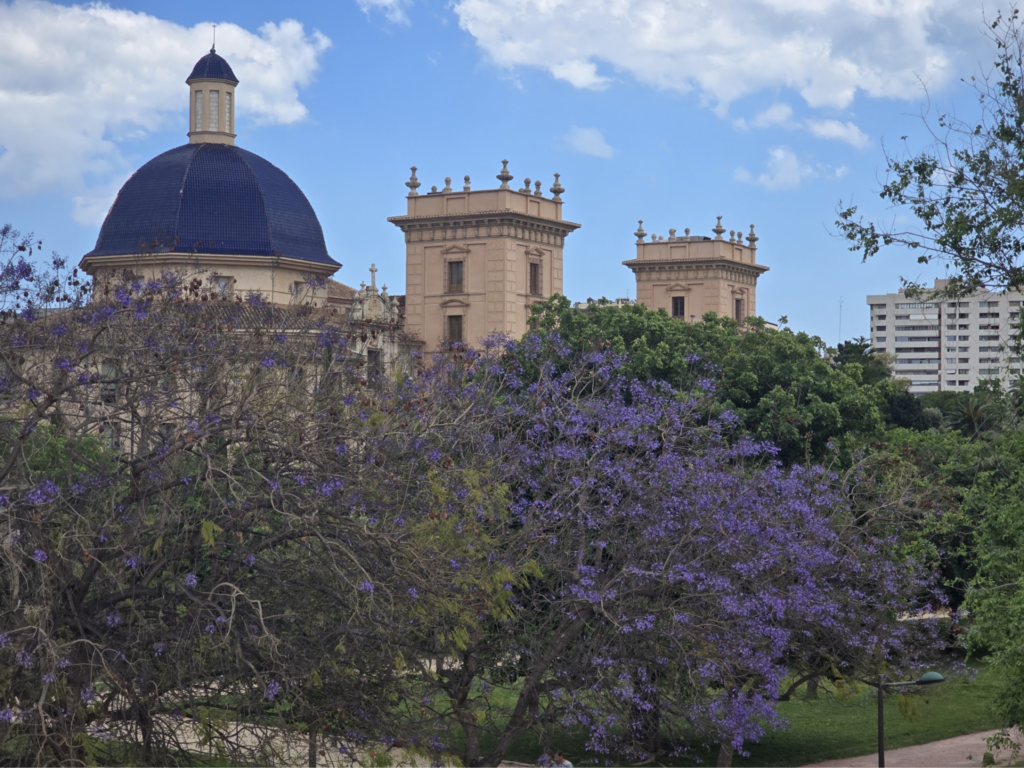
For most first-time visitors, we’d recommend staying central. The beach is accessible, the public transport is excellent, and you’ll spend more time exploring the city than you expect.
Best Neighbourhoods to Stay In 2026
Ciutat Vella and El Carmen: Best for First-Time Visitors
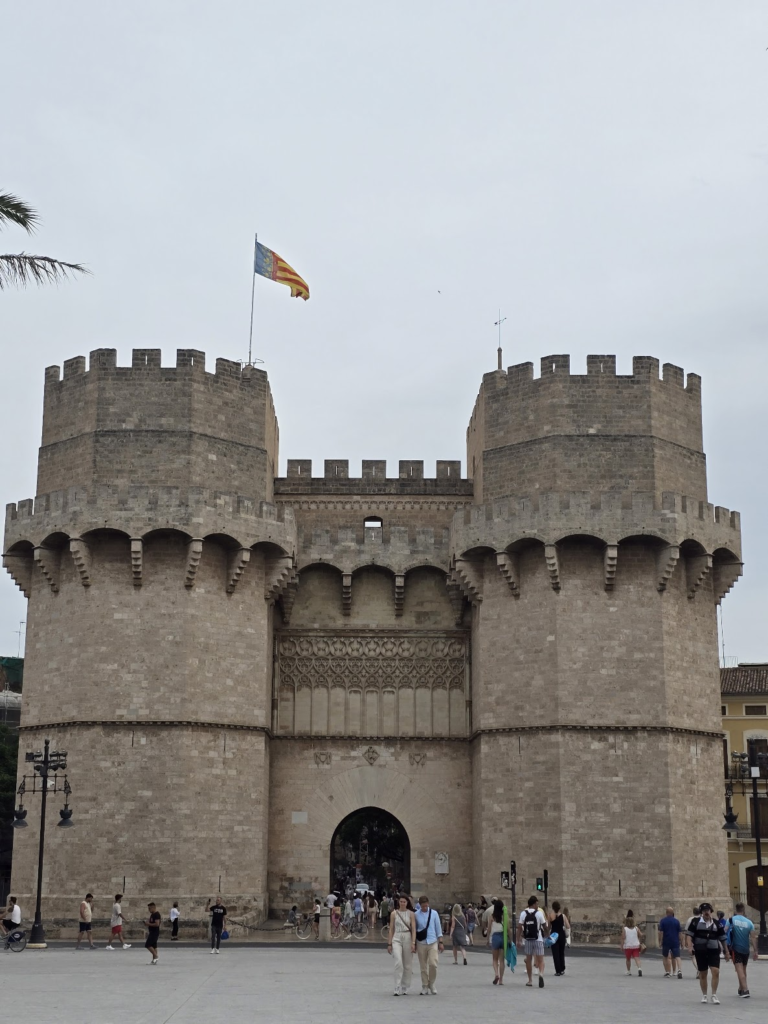
Ask anyone where to stay in Valencia, Spain and there’s a high chance they’ll mention the historic center. The old town puts you within walking distance of all the main attractions of Valencia. You can easily walk to the Cathedral, Mercat Central, Turia Park, and the City of Arts and Sciences (though that’s a longer walk). The neighborhood of El Carmen, the old town’s most characterful quarter, and medieval architecture. Hotels here range from budget hostels to boutique luxury. However, keep in mind that the boutique hotels in El Carmen are located in historic buildings, which gives them alot of charm, but may have rooms smaller than those in modern hotels. Also worth noting: the streets are narrow and cobbled, not ideal if you have heavy luggage or mobility challenges.
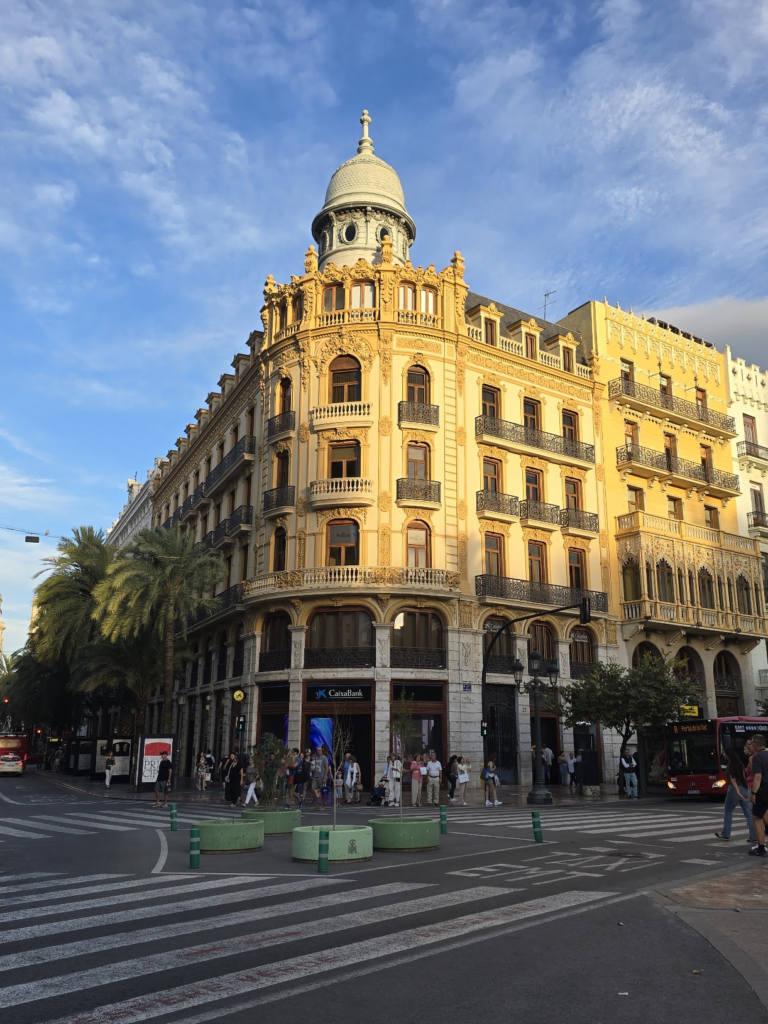
Our pick in this area: Only YOU Hotel Valencia is the standout design-forward option, with strong reviews for interiors and service. Caro Hotel is the most atmospheric luxury choice, a converted 19th-century mansion with Michelin-starred dining and Roman ruins integrated into the design.
Ruzafa: Best for a Local, Trendier Feel (Big Expat Community)
Ruzafa is Valencia’s hippest neighbourhood with independent coffee shops, and a large community of expats and creative locals. It’s slightly south of the old town but still very walkable to most attractions. You can also walk over to Mercat Colon for shopping and coffee after meals. Its on the most beautiful mercats of Valencia with regular festivals of local artists showing their work. Russafa is pricier than some areas but the neighbourhood atmosphere makes it worth it.
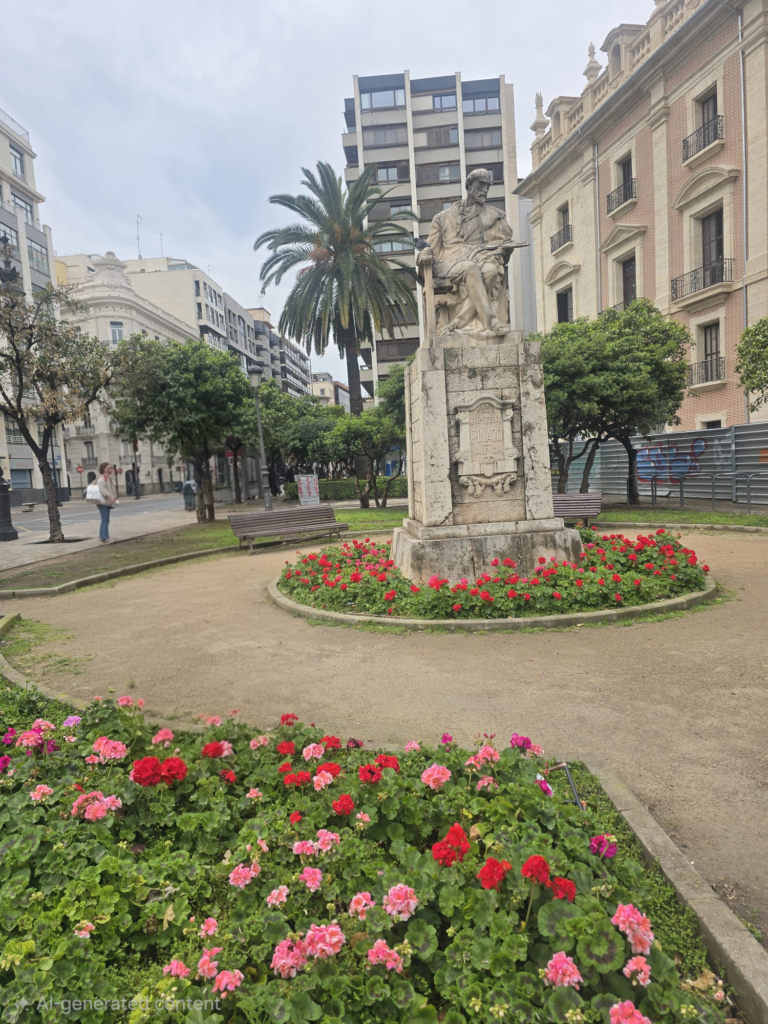
Our picks: Petit Palace Ruzafa (great location, comes with free bike rental) and NH Collection Colón Valencia for a more polished option with rooftop bar.
El Cabanyal and Malvarrosa: Best for Beach Lovers
Both Cabanyal and Malvarrosa neighborhoods are away from the city centre but give you great access to Malvarossa and Patagona beaches. You can find colourful tiled houses, and good seafood restaurants here (dont forget to try the local Paella). If you’re prioritising beach access, this is where to stay. Getting to the city centre from here takes about 15–20 minutes by tram, which is manageable since the tram comes every 4-9 mins, but you’ll feel the distance if you’re going back and forth daily.
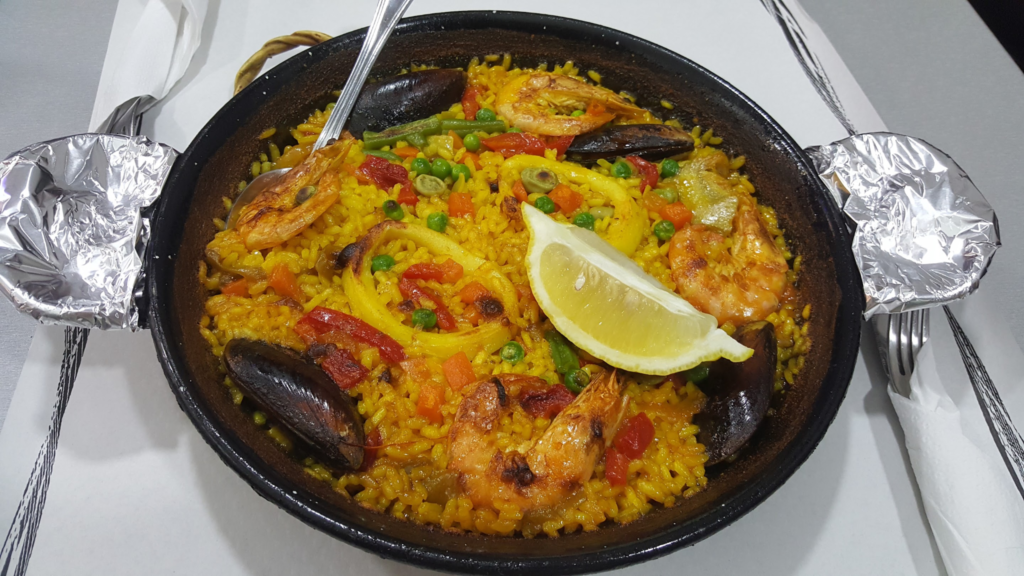
Our picks: Hotel Neptuno sits directly on Malvarrosa Beach. For something more local, boutique options in El Cabanyal itself have expanded in recent years. Again, keep in mind that you will mostly see historic house/ buildings turned into hotels.
Near the City of Arts and Sciences (Quatre Carreres)
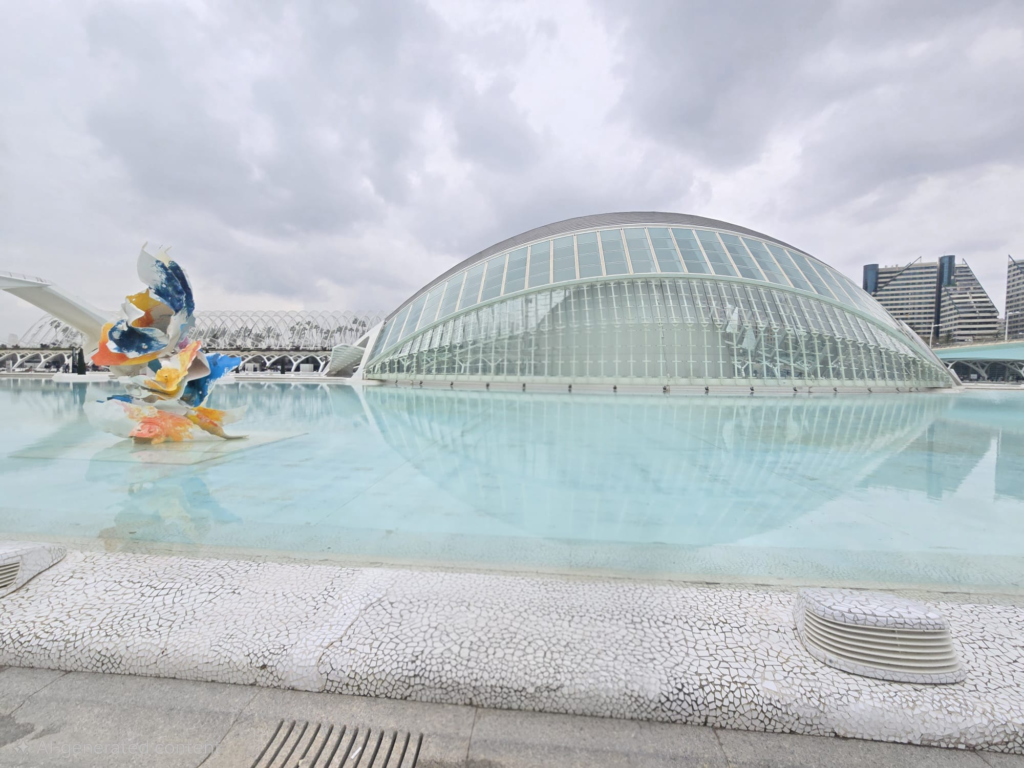
This is a very modern neighborhood to stay in and useful if the complex is your main reason for visiting. Accommodation here used to be cheaper than the city center but in the recent years the price difference has evaporated. You can keep many nice hotels and service apartments in spacious buildings offering gym, pools and cafes downstairs. The draw back is that its not centrally located for other attractions; however, you will find plenty of public transport options from they city of Arts and Sciences and can be in the city center in under 20 mins.
Hotels by Budget
| Budget | Price Range (per night) | Our Picks |
| Budget | €30–60 | Hostels in El Carmen (Hôme Backpackers, Red Nest Hostel); budget hotels near Ruzafa |
| Mid-range | €80–160 | Petit Palace Ruzafa; SH Inglés Boutique Hotel (Old Town); NH Valencia Las Ciencias |
| Upscale | €160–250 | Only YOU Hotel Valencia; Hospes Palau de la Mar |
| Luxury | €250+ | Caro Hotel (most atmospheric); The Westin Valencia (Art Deco grandeur, spa) |
Practical Tips
Valencia introduced regulations on tourist apartments in recent years as a measure to protect residents. Please make sure any Airbnb or apartment listing shows a valid licence number. Properties without one can be shut down.
For Fallas in March, accommodation prices can double or triple. Book months in advance and expect the city to be extremely busy. Especially worth noting are the daily mascalletas (daytime firecrackers – which are known to be extremely loud) that take place at Placa de Ayuntamiento (in the city center) at 1400 (2 pm). Both Ciutat Vella and Ruzafa neighborhoods can feel overwhelming due to the crowd and the daily Masacleta show, but they are also the best places to watch the Fallas displays. If you are price-conscious, the best budget window is October through early December, and again in January – February before the Fallas season.
Getting around: the public transport is genuinely excellent. We’d recommend getting an EMT card for buses, trams and metros rather than paying individually with a bank card. It’s significantly cheaper per journey. You can purchase a 10 trip card for €5.4, or if you are staying longer you can purchase the unlimited monthly card for €21 (All prices are based on 2026 rates). Metro and bus lines connect the airport, beach, and City of Arts and Sciences to the city centre. Parking in the old town is a nightmare and not worth attempting at all.