9 Biggest Mistakes I’ve Seen Tourists Make in Istanbul (As Someone Who Lived There)
When you look at Istanbul on the map, the first thought is, “Hmm, I can easily navigate through this.”
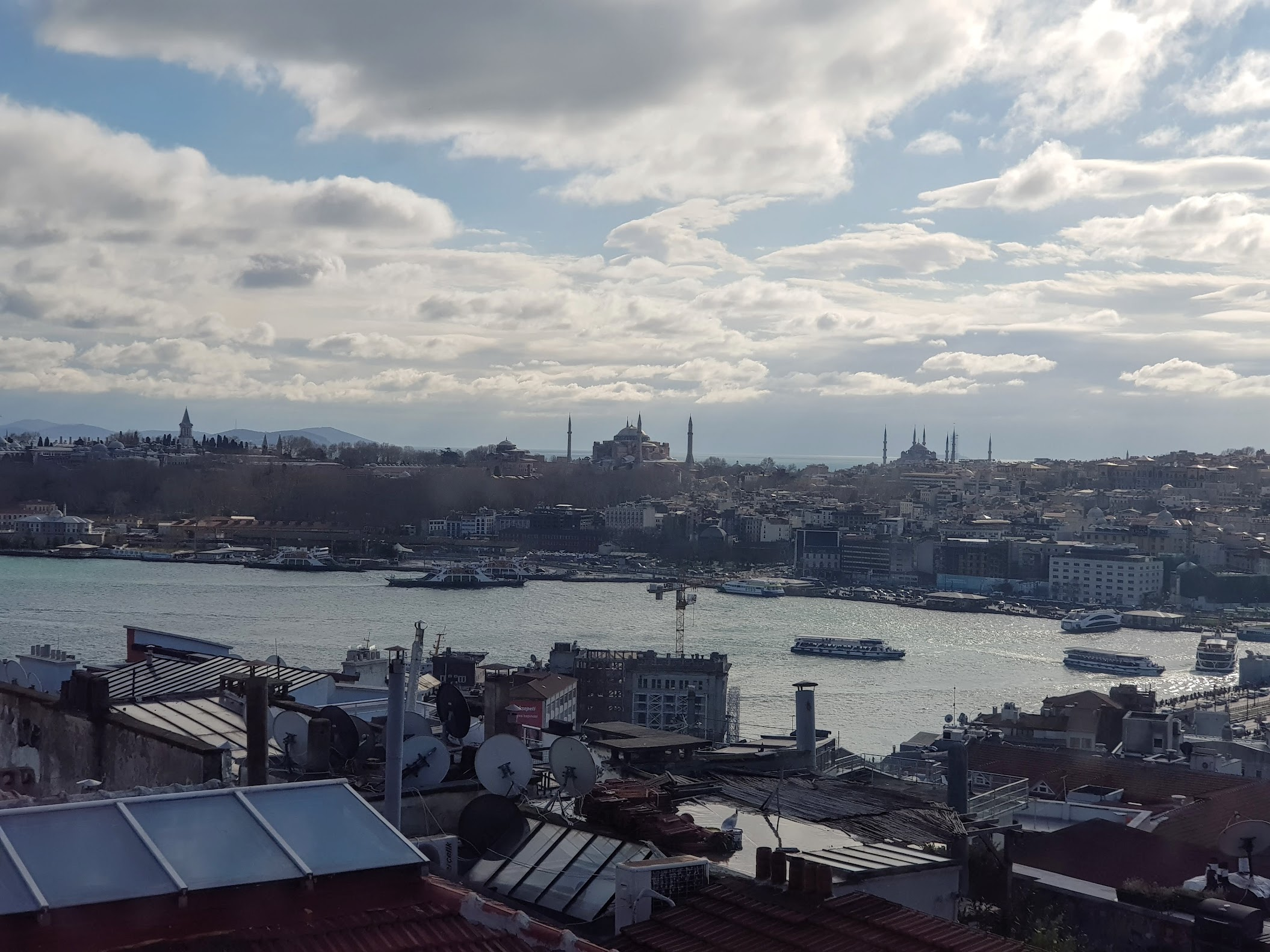
You see Sultanahmet, Galata, the Bosphorus, the Asian side, it all looks close enough to fit into one ambitious day if you’re planning from your laptop months in advance. Then you actually get here, and you realize Istanbul is enormous. Hills, traffic, ferry schedules, security queues, and an overwhelming number of things worth seeing can turn a tidy itinerary into an exhausting one fast.
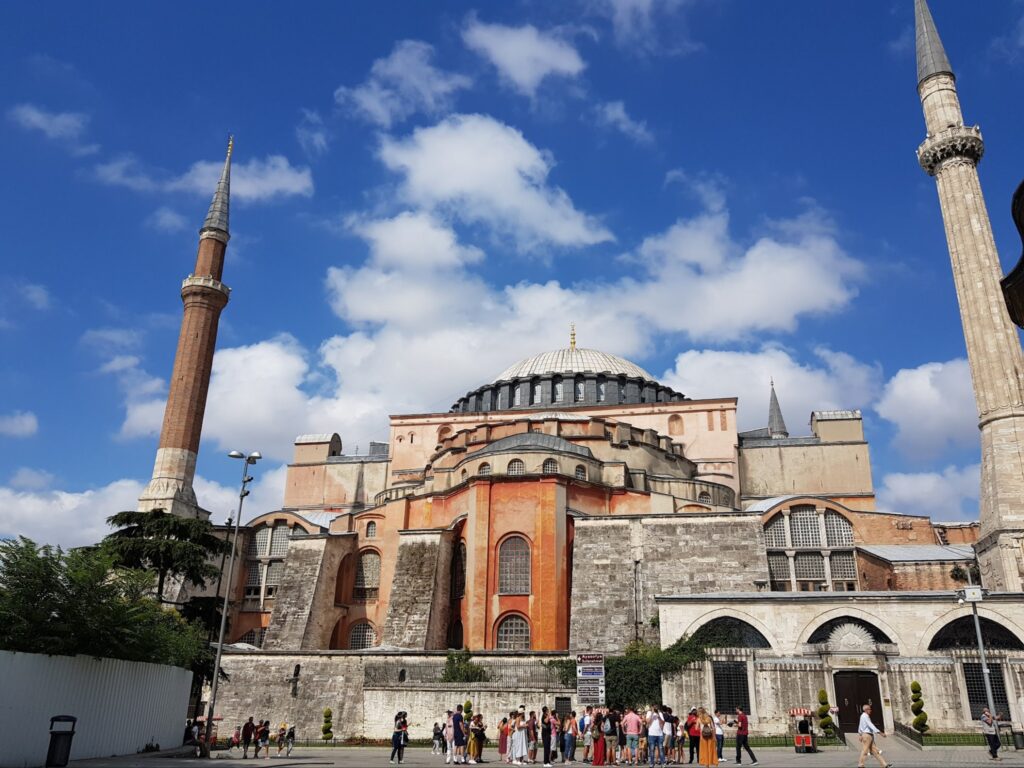
Here, I’ll share some of the top mistakes in Istanbul that you should avoid, from picking a hotel in the wrong area to underestimating how big Istanbul really is.
The Travel Mistakes in Istanbul at a Glance
- Staying in the wrong neighbourhood
- Using taxis for almost every journey
- Underestimating how long it takes to cross the city
- Planning too many attractions into each day
- Eating every meal near the tourist sights
- Never visiting the Asian side
- Treating ferries as a planned tour rather than regular transport
- Underestimating Istanbul’s hills and walking
- Turning up at major attractions without checking the details first
Let’s go through each one properly.
Mistake #1: Choosing a Hotel Without Thinking About Location
“Where should I stay in Istanbul?” isn’t really a question about finding the nicest hotel. It’s a question about your whole trip, because the neighbourhood you pick shapes almost everything else. I’ve watched people book a genuinely lovely hotel and then lose an hour every morning just getting to the places they actually came to see.
Different neighbourhoods suit different trips, and it’s worth being honest with yourself about which one you’re taking. If you want more information on where to stay in Istanbul, we’ve covered it extensively in our blog.
Some of our family’s favorite hotels in Istanbul are Peak Hotel, Intercontinental Hotel, Divan Hotel, Gulec Hotel, Grand Cevahir Hotel, and Ramada near Taksim.
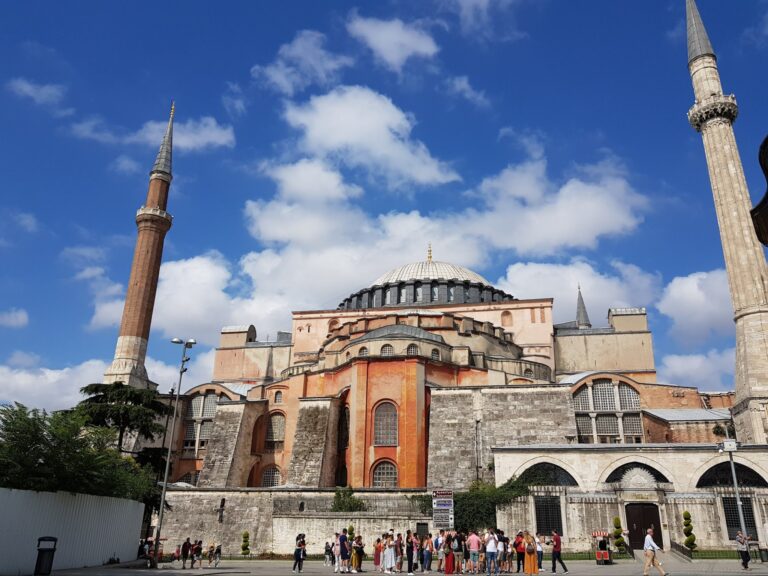
Sultanahmet is best if you’re visiting Istanbul for the first time. Hagia Sophia, the Blue Mosque, Topkapı Palace, and the Basilica Cistern are all close enough to walk between, which makes early starts easy. It’s also the most visitor-oriented part of the city by a wide margin, so know that going in.
Sirkeci sits right next to the historic peninsula and is genuinely practical for transport, a good pick if you want to be close to the sights without being right in the middle of the busiest streets.
Karaköy and Galata are a good compromise between old and modern Istanbul, close to the ferries and an easy walk or tram ride toward Sultanahmet.

Beşiktaş feels like an actual everyday city rather than a sightseeing district, with strong ferry connections, though it’s less convenient if you’re planning to spend every morning in Sultanahmet specifically.
Kadıköy is excellent for food and neighbourhood life, and a great choice if you’re coming back or staying longer, but you’ll be crossing to the European side for most of the headline attractions.
As with any other city, choose accommodation based on what you’re planning to do and how you’ll get there, not based on hotel reviews alone. A 9.2-rated hotel in the wrong spot still costs you an hour a day you’ll never get back.
For a full breakdown of the two sides, see our guide, European Side vs. Asian Side of Istanbul: Which Is Better for Visitors?
Mistake #2: Relying Too Heavily on Taxis
This is one of the most common mistakes in Istanbul that tourists make. I get why taxis look appealing when you land. It’s door-to-door, you don’t need to figure out a metro map, and it’s easy when you’re carrying shopping bags or luggage. But making them your default is a mistake, and here’s why it causes more problems in Istanbul specifically than it might somewhere else.
Istanbul traffic can turn a short-distance journey into a long one, and road travel here is a lot less predictable than rail or ferry travel, since the central streets get heavily congested at fairly unpredictable times. Leaning on taxis for everything also means missing out on one of the better public transport networks I’ve used in any city. We’ve seen far too many tourists miss their flight because they were stuck in taxis or buses during rush hour.
So, what should you use instead of the taxis in Istanbul? The tram, the metro, Marmaray (the rail line running under the Bosphorus), the ferries, and just walking for short trips within a neighbourhood are all far better options than a taxi in most cases.
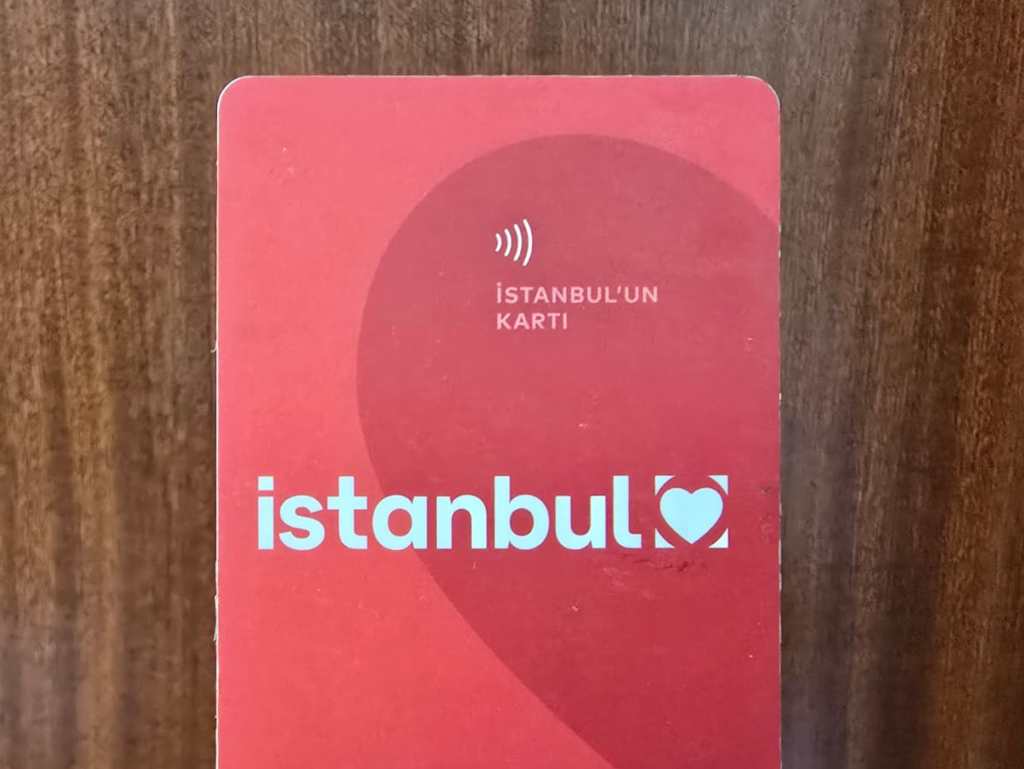
One İstanbulkart, the city’s rechargeable transport card, works across all of it, and Istanbul’s official visitor information also notes that a limited Istanbul City Card pass and contactless bank cards work on public transport too, so you’ve got options beyond the physical card if you’d rather travel light.
We also have a detailed guide on getting around Istanbul that can help you plan your trip better.
Of course none of this means that you should absolutely never take a taxi. They genuinely make sense with heavy luggage, for very early or late journeys, if mobility is a concern, when a few people are splitting a short trip, or for destinations with awkward public transport connections. The point isn’t “never use taxis,” it’s “don’t make them your first instinct for every single journey.”
Mistake #3: Underestimating Travel Times
This might be the most important mistake on this whole list for first-time visitors. Two places looking close together on Google Maps doesn’t mean they comfortably fit into the same hour once you’re actually moving between them.
To give you a glimpse of how large Istanbul really is: we used to live on the far end of the European side and had to travel to the end of the Asian side for some extremely important paperwork. Getting there took us 3 hours with buses and metros. Getting back in the evening during rush hour took nearly five hours! It felt like a day trip to a different city (but it was all still Istanbul even though we were in different continents 😂).
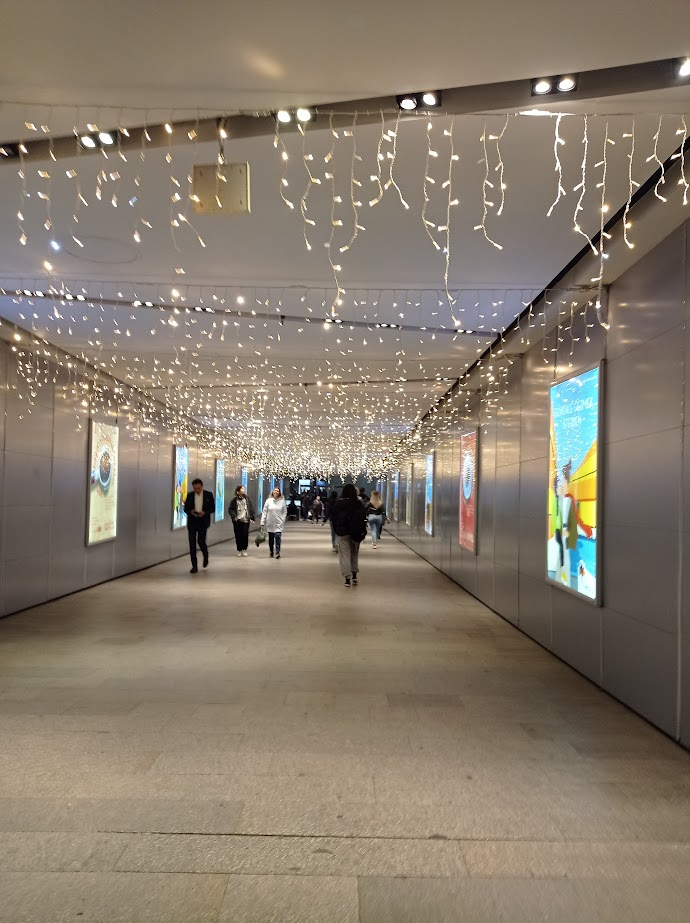
Real travel time includes the walk to the station, the wait once you’re there, any line changes, ferry schedules, hills, queues, traffic if you’re on the road, the walk from the final stop to wherever you’re actually going, and the odd few minutes lost getting slightly turned around in an unfamiliar neighbourhood. None of that shows up on a map.
I’ve seen people plan a day that goes starts at Sultanahmet, then Dolmabahçe Palace, then Ortaköy, then across to Kadıköy, then back to Galata, all in one afternoon. Technically, every one of those places connects to the next. But practically, that day turns into a day about transportation, not about Istanbul.
The better approach is organizing your days geographically instead of by attraction wish-list. A historic peninsula day covering Sultanahmet and Eminönü. A Beyoğlu day covering Karaköy, Galata, Cihangir, and the surrounding streets. A Bosphorus day covering Beşiktaş, Ortaköy, and a ferry. An Asian-side day covering Kadıköy, Moda or Üsküdar, and Kuzguncuk. Group by neighbourhood, not by how impressive the list looks on paper. If you’re looking for the best ways to plan your trip, we’ve got a 3 day Istanbul itinerary to help you figure out all the dos and don’ts.
Mistake #4: Trying to See Too Much Every Day
Hagia Sophia at nine, Topkapı at ten, the Grand Bazaar by noon, Galata after lunch, Dolmabahçe at three, Ortaköy for sunset. It looks entirely possible in a spreadsheet. It rarely feels enjoyable once you’re actually living through it.
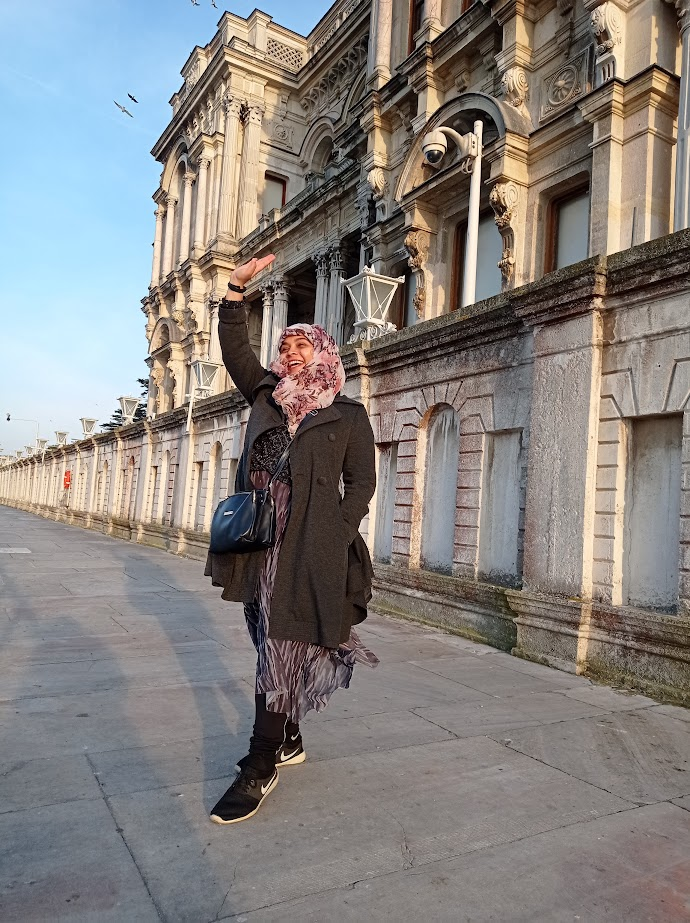
What that kind of schedule doesn’t account for is security lines, ticket queues, the actual walking between everything, meals, transport, time to take photos, rest, and the unexpected things you stumble across along the way. Istanbul is also a city where wandering is genuinely part of the experience, not a waste of scheduled time. If every hour is already spoken for, there’s no room to stop at a bakery that smells good, sit by the Bosphorus for twenty minutes, wander through a market, hop on an unplanned ferry, or follow a side street just because it looks interesting.
Rather than chasing a specific number of sights per day, pick two or three real priorities and build the rest of the day loosely around them. A five-day trip with actual breathing room will end up feeling far more rewarding than trying to cram a seven-day itinerary into three exhausting ones.
Mistake #5: Eating Every Meal Beside a Major Tourist Attraction
I’m not saying every restaurant near a major attraction is bad, there are plenty which offer great food. However, the actual mistake is more about pattern than any single meal: visitors often end up eating wherever sightseeing happens to leave them, which means breakfast, lunch, and dinner all end up within a few streets of Sultanahmet or Taksim without anyone really deciding that on purpose.
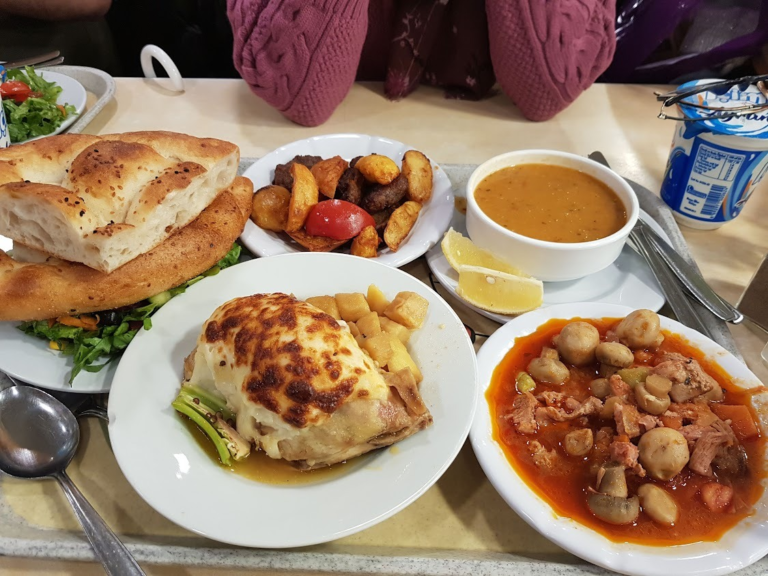
If you do that, you’ll be missing out on places that are genuinely worth going out of your way for: Kadıköy Market, neighbourhood bakeries, Esnaf lokantası restaurants (the everyday canteen-style spots where locals actually eat lunch), traditional soup restaurants, local breakfast places, small pide and lahmacun shops, and the food streets and markets tucked away from the main routes.
A practical way to find these: walk a few streets away from the busiest visitor paths and look for menus with clear pricing, places genuinely busy with local customers rather than tour groups, smaller menus, and food that’s visibly prepared fresh that day rather than sitting under a heat lamp.
And there’s a lot more to Turkish food than kebabs. Börek, simit, lentil soup, mantı, pide, menemen, dolma, köfte, zeytinyağlı dishes (vegetables cooked in olive oil, served cold), and Turkish desserts all deserve a spot on your trip. Vegetarian travellers are genuinely well served here too, Istanbul has plenty of vegetable, legume, pastry, and olive-oil-based dishes, though it’s worth asking whether a soup or rice dish that looks vegetarian was actually made with meat stock, since that isn’t always obvious from the menu.

For a deeper dive into what to actually order, see our guide, What to Eat in Istanbul: A Local’s Guide to Street Food, Traditional Dishes, and Everyday Favorites.
Mistake #6: Ignoring the Asian Side
This deserves to be more than a passing recommendation. A lot of first-time visitors spend their entire trip bouncing between Sultanahmet, Eminönü, Galata, Taksim, and Beşiktaş. There’s nothing wrong with any of those places individually, but staying only there leaves you with a genuinely incomplete picture of Istanbul.
Start with Kadıköy if you’re only adding one Asian-side stop. It’s excellent for markets, bakeries, casual food, shopping, and a wander around Moda, and it gives you a real look at everyday Istanbul completely outside the historic-sightseeing circuit.
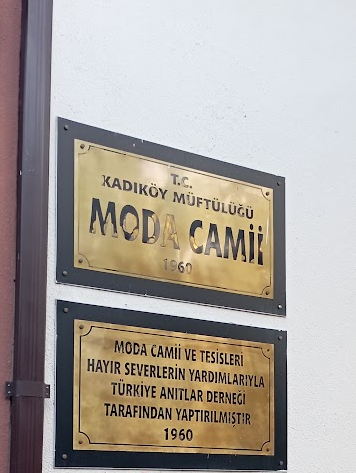
Üsküdar is worth considering too, good for Bosphorus views, waterfront walks, and nearby Kuzguncuk, with a noticeably different atmosphere from Kadıköy’s energy.
Getting there is easier than most tourists assume. There are frequent ferry connections between Kadıköy and European-side hubs including Karaköy, Eminönü, Kabataş, and Beşiktaş, and the Kadıköy–Karaköy–Eminönü route in particular runs throughout the day and well into the evening. For a lot of visitors, that ferry ride ends up being one of the best parts of the day rather than time lost getting somewhere.
For the full comparison, see our guide, European Side vs. Asian Side of Istanbul: Which Is Better for Visitors?
Mistake #7: Treating the Bosphorus Ferry as Only a Tourist Activity
This follows naturally from the last point. A lot of visitors assume experiencing the Bosphorus means booking a dedicated cruise. It doesn’t! Istanbul’s regular public ferries are part of the everyday transport system, and you get the same views, the same skyline, the same break from road traffic, just by using them to actually get somewhere.

Useful crossings include Kadıköy to Karaköy or Eminönü, Kadıköy to Beşiktaş, Kadıköy to Kabataş, and Üsküdar to Karaköy or Eminönü. Şehir Hatları, the main public ferry operator, runs multiple regular routes across the Bosphorus throughout the day.
My honest tip is that you should deliberately build at least one ordinary ferry crossing into your trip, even if a formal Bosphorus cruise isn’t on your list at all. It’s genuinely one of the better things you’ll do here, and it costs the same as any other public transport fare.
Mistake #8: Underestimating How Much Walking Istanbul Involves
Two attractions fifteen or twenty minutes apart on a map look like an easy walk. What the map doesn’t show you is the terrain. Parts of this city are genuinely steep, especially around Galata, Beyoğlu, Cihangir, Beşiktaş, and Üsküdar, and add in uneven pavements, cobblestones, crowds, summer heat, and a long day already spent on your feet, and that easy-looking walk gets a lot harder than it appeared.
Comfortable shoes matter more here than in a lot of cities. Carry water, combine walking with public transport rather than trying to do everything on foot, check elevation as well as distance before committing to a route, and avoid planning your longest walks for the hottest part of a summer afternoon. If mobility is a concern, look closely at the actual streets around your accommodation, not just the straight-line distance to the nearest attraction, a short distance up a steep hill is a very different trip than the same distance on flat ground.
Mistake #9: Arriving at Major Attractions Without Checking the Details
I’m not going to fill this section with opening hours that’ll be outdated by the time you read this. Instead, here’s what’s actually worth checking before you go.
Before visiting a major attraction, verify current opening hours, ticket requirements, whether online booking is available, the last admission time, any temporary closures or restoration work, photography restrictions, access rules if it’s an active mosque during prayer times, appropriate clothing, and whether bags require screening.
The mistake I see most often: someone builds their whole itinerary around information from an old blog post or a screenshot taken months earlier. Istanbul’s major attractions are heavily visited, and practical arrangements change more often than people expect. The actual advice is simple, check the official site again the day before you go, not the week before. And put your most important attraction earlier in the day rather than saving it for the last hour, when queues are longest and your patience is shortest.
For the wider safety and planning picture, see our guide on whether Turkey is safe to visit.
A Better Way to Plan Your First Istanbul Trip
Turn all of that into five rules and planning gets a lot simpler:
- Choose accommodation around your actual itinerary, not just reviews.
- Learn the basic public transport network before you arrive.
- Group attractions by neighbourhood, not by how good the list looks on paper.
- Leave unscheduled time every single day.
- Spend time outside the main sightseeing districts.
Conclusion: The Biggest Mistake Is Trying to “Complete” Istanbul
If there’s one thing I’d want you to take from all of this, it’s that visitors enjoy Istanbul more once they stop treating it like a checklist. You don’t need to see every palace, every mosque, every neighbourhood, and every market on one trip.
A well-planned Istanbul visit leaves room to take ferries, walk without a destination, eat properly instead of grabbing whatever’s closest, explore a neighbourhood you hadn’t planned on, change your plans entirely, and just sit somewhere for a while and watch the city go by. Seeing slightly less, on purpose, is usually how you end up experiencing Istanbul the most.
Frequently Asked Questions
How many days do you really need in Istanbul?
Three days can cover the highlights, but four to five days gives you real breathing room and makes it much easier to include the Asian side without feeling rushed.
Is it better to use taxis or public transport in Istanbul?
Public transport is usually more practical for the main tourist areas, especially once traffic picks up. Taxis still make sense for luggage, awkward connections, and certain late-night trips.
Is Istanbul easy to walk around?
Individual neighbourhoods are often very walkable, but Istanbul as a whole is enormous. Combine walking with trams, metro, ferries, and Marmaray rather than trying to cover everything on foot.
Is the Asian side of Istanbul worth visiting?
Yes. Kadıköy and Üsküdar offer food, markets, waterfront areas, and everyday neighbourhood life that genuinely contrasts with the main sightseeing districts on the European side.
What should first-time visitors avoid doing in Istanbul?
Overplanning every hour, relying on taxis by default, eating only around the major attractions, underestimating travel times between neighbourhoods, and spending the whole trip in one small pocket of the European side.