European Side vs. Asian Side of Istanbul: Which Is Better for Visitors?
The first time someone told me Istanbul was split between two continents, I pictured a clean line, Europe on one side, Asia on the other, pick a team and go. It’s not really like that. Each side is really a handful of neighbourhoods with their own personality, and the decision that actually matters isn’t “Europe or Asia,” it’s more like “do I want to be near the Blue Mosque, or do I want to be somewhere that feels like an actual Istanbul neighbourhood.”
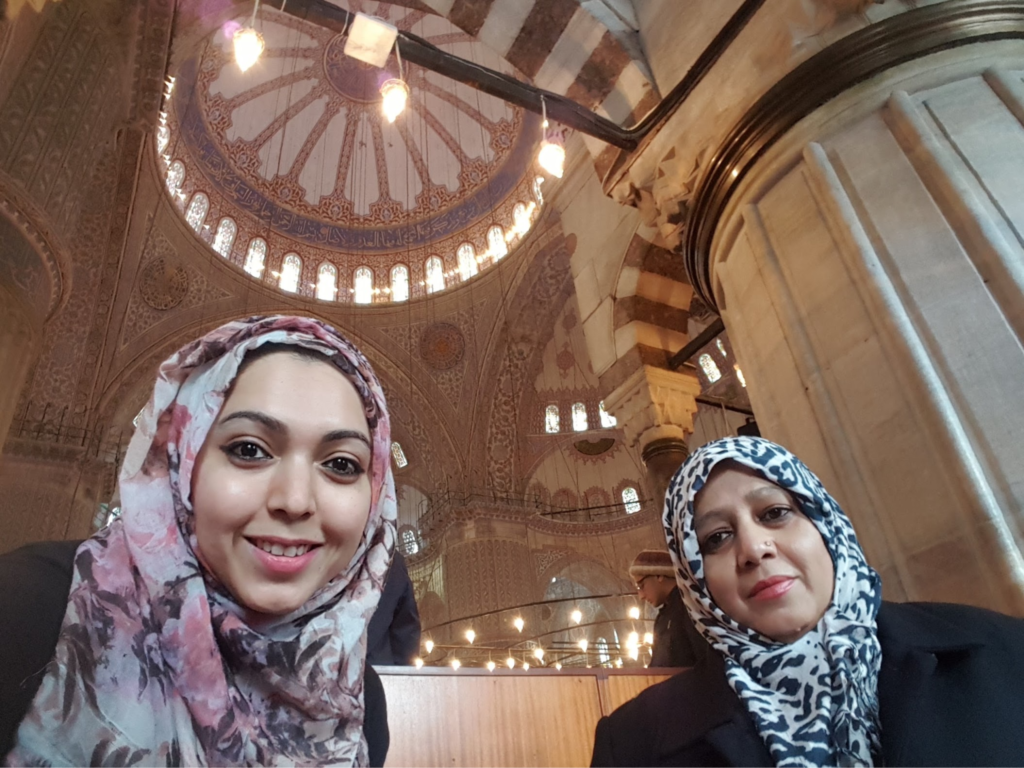
For a first trip of three or four days, I’d point you toward the European side, without much hesitation. That’s where almost everything you’ve already seen in photos actually is, so a short trip stays simple. On our first trip to Istanbul, we chose to stay on the European side of Istanbul vs. the Asian side of Istanbul. We stayed in the Sultanahmet neighborhood which meant that all the main attractions were walking distance from our hotel and getting to the other parts of the city was super easy since our hotel was a few steps away from the T1 tram line. Since I was traveling with my mother, it was very convenient for her to walk to the main attractions and hop on and off the tram for easy transfers.
But if you’ve already done the postcard version, or you’d just rather eat where the neighbourhood eats and walk along the water without a tour group in front of you, the Asian side is genuinely the better call, and I don’t think enough guides say that plainly.
I’m going to walk you through what each side actually feels like, what you’d see, how easy it is to move between them, where to eat, and honestly, who each one suits, because the right answer really does depend on what kind of trip you’re taking.
The Quick Answer, If You Don’t Want to Read the Whole Thing
I’ll give you the short version first.
If this is your first time in Istanbul, you’ve only got two to four days, and you want to walk between the big historical sights without much planning, stay on the European side. It has the widest range of hotels too, so you’re not stuck choosing between three options.
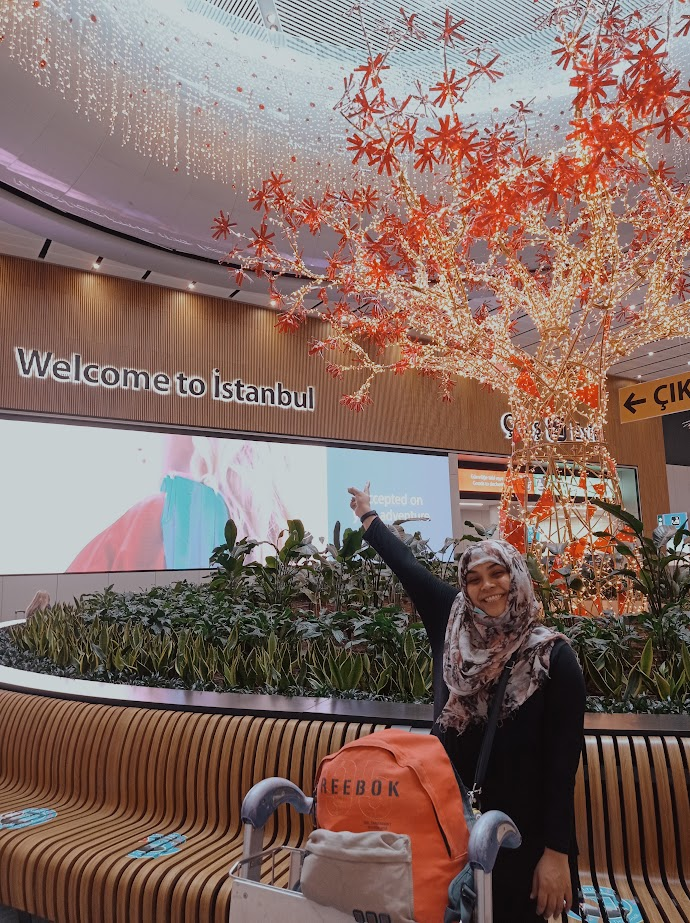
If you’ve been to Istanbul before, or you’d rather move slower, eat well, and skip the tour groups, look at the Asian side instead. It also happens to be a lot more convenient if you’re flying into Sabiha Gökçen, Istanbul’s second airport, which sits over on that side of the city.
And here’s the thing worth saying clearly: staying on the Asian side doesn’t mean missing out on the famous sights. It just means a slightly longer, more scenic way of reaching them, which honestly, I don’t think is a downside.
Let’s Break it Down
Before going further, let me actually place these neighbourhoods on the map for you, because I threw around names like Moda and Beşiktaş in that last section, and you have no reason to know what those are yet.
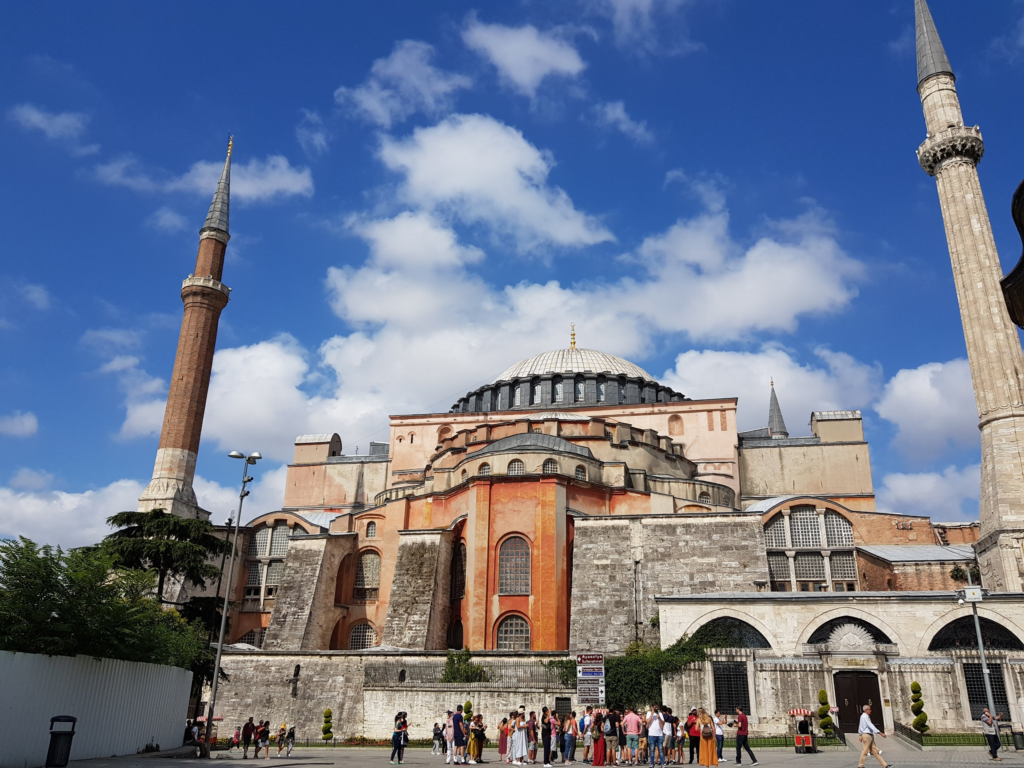
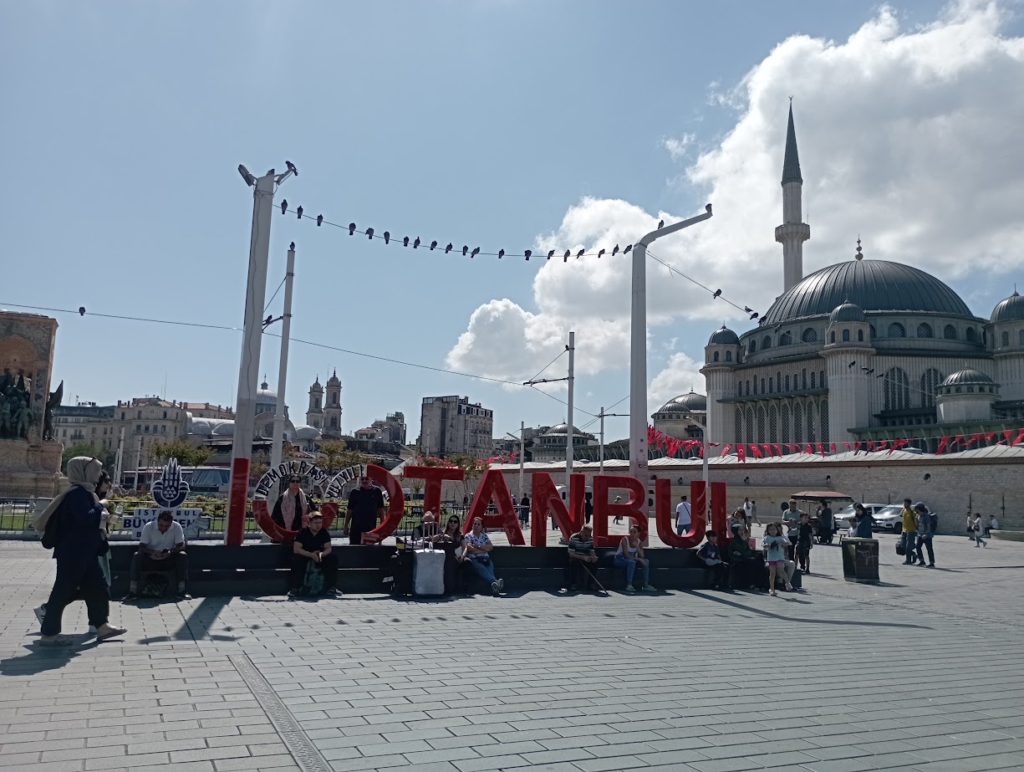
On the European side, the main area you’ll hear about is Sultanahmet. It’s the old historic peninsula, and it’s where you’ll find both the Blue Mosque and Hagia Sophia. Just north of Sultanahmet, across a small inlet called the Golden Horn, are Karaköy and Galata, two old port neighbourhoods that are now full of cafes, galleries, and boutique hotels. Keep walking uphill from there and you reach Beyoğlu, home to İstiklal Avenue, Istanbul’s main pedestrian shopping street. Right beside Beyoğlu is Cihangir, a quieter, more residential neighbourhood where a lot of locals actually live. Further along the water is Beşiktaş, a busy everyday district built around one of the city’s main ferry terminals, and past that is Ortaköy, a small waterfront neighbourhood known for the mosque that sits right on the Bosphorus.
On the Asian side, the main area is Kadıköy. It’s a big, lively district that’s become the center of “local” Istanbul, full of markets and small restaurants. Right next to Kadıköy is Moda, a quieter, leafier waterfront neighbourhood, think tea gardens and sea views rather than crowded market streets. Further up the coast is Üsküdar, an older, more traditional neighbourhood that sits directly across the water from Sultanahmet. Just past Üsküdar is Kuzguncuk, a tiny, colourful residential street that most tourists never actually find.
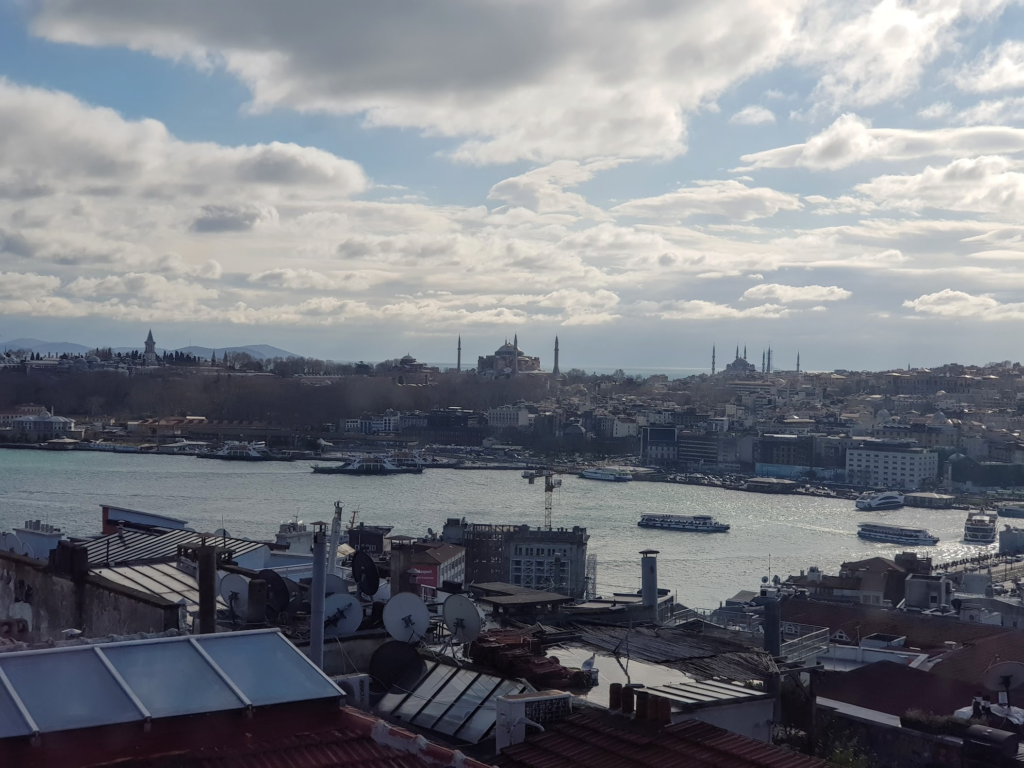
In practice, if you’re considering the Asian side for a short trip, you’re really choosing between two areas: Kadıköy or Üsküdar. The Asian side stretches on for miles beyond that, but the rest of it isn’t something a typical visitor needs to think about.
What Does Each Side Actually Feel Like Day to Day?
Sultanahmet moves at a sightseeing pace: think groups, guides, and ticket queues. It’s exactly what you’d expect from the neighbourhood holding the Blue Mosque and Topkapı Palace. But walk fifteen minutes north into Karaköy or Galata and the energy changes completely. It’s still busy, but it’s the kind of busy you get from people browsing a gallery, not the kind you get from a queue outside a mosque. Beşiktaş is busy again too, but differently, that’s just what a neighbourhood full of everyday errands looks like. Besiktas is very beautiful and but pricey; however is a great place to stay if you want to be close to the main sites but not walking distance.
Cross the water to Kadıköy and you get a similar kind of energy, except almost none of it has anything to do with tourism, and that’s the best part of kadikoy. It’s markets, ferry commuters, bakeries, people buying vegetables on their way home, not sightseeing. Afnan and I would regularly visit the Kadikoy market that takes place every friday. Kadikoy was also our favorite spot to go eat really good local Turkish food and desserts, not the touristy version you find on Istiklal. Moda, right next door, slows that right down into something closer to a lazy waterfront evening. And Üsküdar feels older and more traditional again, with one of the better free views in the whole city, looking straight back across the water at Sultanahmet’s skyline.
Where the Famous Sights Actually Are
If you want the postcard version of Istanbul, it’s almost entirely on the European side, and mostly within Sultanahmet itself. Hagia Sophia, the Blue Mosque, Topkapı Palace, the underground Basilica Cistern, and the Grand Bazaar and Spice Bazaar are all close enough to walk between in a single day. Add in Galata Tower, İstiklal Avenue, Dolmabahçe Palace (the old Ottoman palace on the water), and Ortaköy Mosque, and you’ve got most of what people picture when they picture Istanbul, all reachable without much transport planning.
The Asian side isn’t trying to compete with that list, and honestly, it doesn’t need to. What it offers instead is a different kind of morning: Kadıköy’s market streets, the Moda waterfront, the view from Üsküdar back toward the old city, the quiet lanes of Kuzguncuk, and Çamlıca Hill, a genuine viewpoint up above the city where you can see the Bosphorus, the Sea of Marmara, and the historical peninsula all at once. I’d put that view up against anything on the European side.
So here’s my honest read: Europe wins if you’re working through a checklist. Asia wins if you’d rather just wander and see how the city actually lives. When we were living in Istanbul, we would always end up in Kadikoy on the Asian side with our family and friends rather than Sultanahmet Square.
Getting Between the Two Sides Is Easier Than You’d Think
I want to push back on the assumption that staying on the Asian side cuts you off from everything else, because it really doesn’t.
Personally, I always preferred the ferry. It’s not just transport, it’s genuinely one of the better things you’ll do in Istanbul, a proper view of the skyline from the water, for the price of a normal fare. The routes that matter most connect Kadıköy to Eminönü, Karaköy, Beşiktaş, or Kabataş, and Üsküdar to Eminönü or Karaköy. The Ferry company, Şehir Hatları (City Lines) runs these frequently, though I’d check the current timetable for your dates rather than assume.
If you want more information about transport in Istanbul, I’ve written a detailed blog on it here.
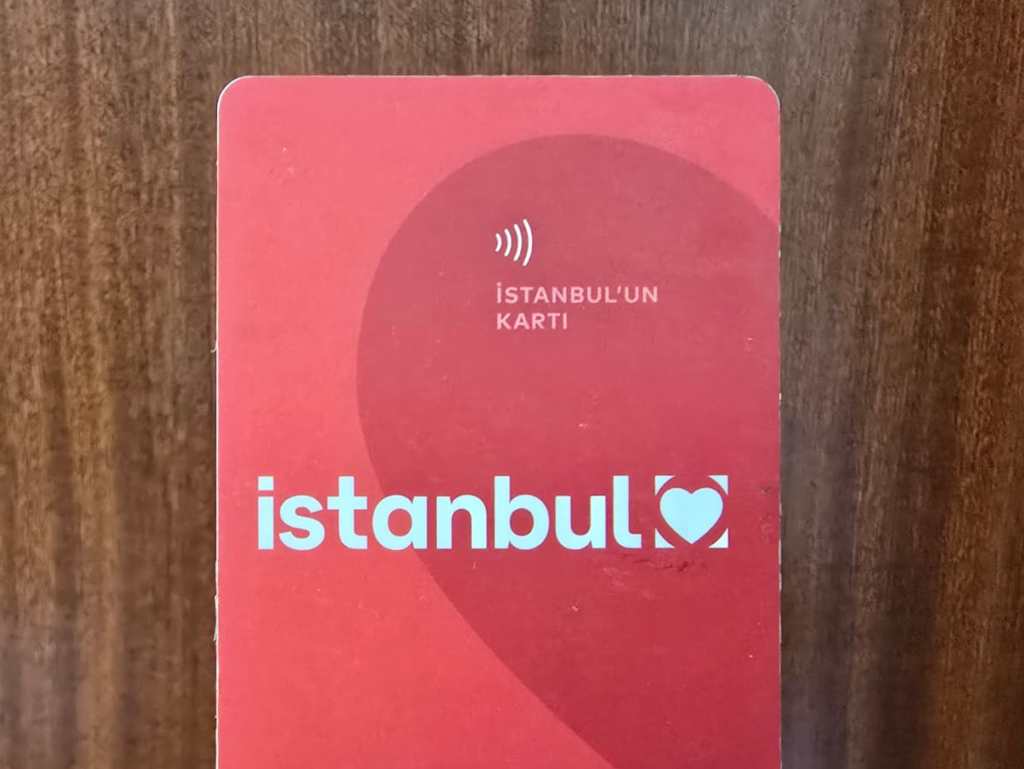
If a ferry doesn’t line up with your schedule, there’s also Marmaray, the high speed rail line that runs underneath the Bosphorus itself, which is faster and useful around Üsküdar, Sirkeci, and Yenikapı. And two metro lines matter here too: the M4 connects Kadıköy with Sabiha Gökçen Airport, and the M5 runs from Üsküdar further inland. One Istanbulkart, the city’s rechargeable transport card, covers all of it, buses, metro, trams, and ferries included, so you’re not juggling separate tickets for each one. We used the Marmaray whenever we were short on time and needed to get to a place quickly. We used the ferry when it was a beautiful day, and we wanted to enjoy the sail on the Bosphorus.
One honest warning though: The ferry operates a different schedule during summer season vs winter season. One time we when we were using the ferry during winter we didnt check the schedule for the last ferry and just assumed it would run as per the summer schedule we were used to and ended up missing the last ferry back from Asian side to the European side. How we got back to the European side is a whole new blog.
What About the Food?
I don’t buy the idea that one side has “authentic” food and the other has “tourist” food. Both sides have great meals and both have places I’d steer you away from.
On the European side, you’ve got historic Ottoman-style restaurants, regional Turkish cooking from across the country, good bakeries and breakfast spots, and food markets around Eminönü and Fatih, plus a much wider spread of international restaurants if you want a break from Turkish food entirely.
On the Asian side, Kadıköy Market is the real draw, alongside neighbourhood bakeries, Esnaf lokantası spots (the everyday, home-style canteens where Turks actually eat lunch, not a tourist restaurant), proper Turkish breakfast, and casual dessert shops. Because it’s all so densely packed, Kadıköy is a genuinely good place to just wander and sample a few different things in one afternoon. We would almost always take our friends and first time visitors to Istanbul to Kadkioy to try the local food. Betro Burger was our top pick and we would literally cross a continent to come and eat there.
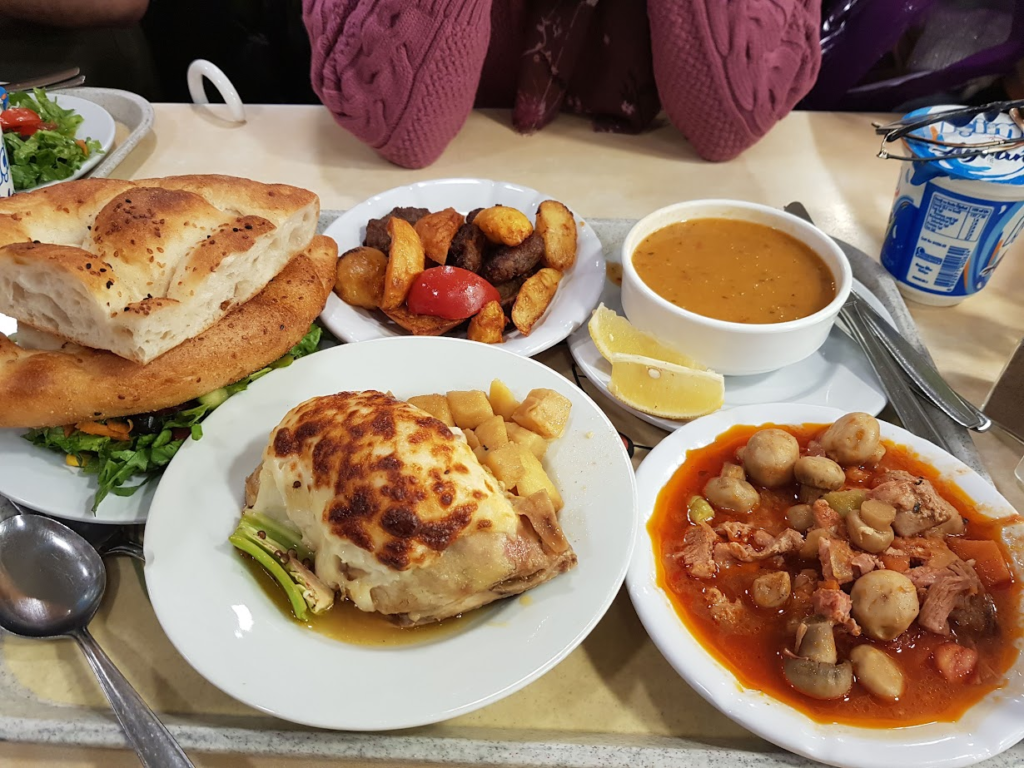
If you’re vegetarian, both sides can work well once you know what to look for: zeytinyağlı dishes (vegetables cooked in olive oil, served cold), lentil soup, börek, gözleme, pide, dolma and sarma, and most Turkish breakfast spreads. Just ask directly whether soups or rice dishes are made with meat stock, it isn’t always obvious from the menu.
My honest take: Kadıköy is easier for casual food wandering, but the European side has the wider range if you’re after something specific like the famous Salt bae restaurants for example. You can find more details on the food culture in Istanbul in my blog here.
Which Side Actually Has Fewer Crowds?
The Asian side does generally see fewer big tour groups, once you get past the ferry terminals themselves. But I don’t want to oversell that, Kadıköy is not a quiet place at all. The ferries and transport hubs get properly packed at commuting hours, Moda’s waterfront fills up on weekends, and Üsküdar gets busy right around sunset when everyone shows up for the view.
On the European side, the crowding is more concentrated, right around the major sights, the Grand Bazaar and the main shopping streets. Step just a street or two off Sultanahmet, Galata, or Taksim, and it thins out fast.
So the honest way to put it: choose the Asian side to avoid tour groups specifically, not to avoid a busy city. Istanbul is a busy city everywhere you go.
Where Should You Actually Stay?
On the European side, you get the biggest choice of hotels by far, and everything’s close to the sights, which matters if you don’t want to spend half your trip crossing the city. The tradeoff is that the most tourist-heavy neighbourhoods can wear on you after a few days, some rooms near the big sights are small for what you pay, a few streets are steep or noisy, and picking the wrong neighbourhood can quietly add a lot of walking or transfers you didn’t plan for.
A quick cheat sheet: Sultanahmet puts you right in the middle of the historic sights. Sirkeci is close by but a bit more practical, good transport links without being smack in the busiest streets. Karaköy or Galata feel more contemporary while still being central. Cihangir has a proper residential feel while sitting right next to Beyoğlu. Beşiktaş gives you strong ferry access and a more local, everyday district.
On the Asian side, you’re really choosing between Kadıköy and Üsküdar, and there just aren’t as many hotels to pick from. What you get instead: a genuinely residential setting, easy access to food and markets, a much shorter trip if you’re flying into Sabiha Gökçen, and good waterfront walks right out your door. The tradeoff is that every crossing adds a bit of time to your day, a late night out means a bit more transport planning, and staying too far from a ferry or Marmaray stop makes everything less convenient.
I won’t tell you one side is cheaper, because that really depends on the season, the property, and how far ahead you book, not which side of the water you’re on.
So, Who Actually Suits Each Side?
If this is your first trip, you’ve got fewer than four days, and you mostly want to tick off the big landmarks without much extra travel, the European side is the easy answer.
If you’ve already done that trip, or you’re coming for a week or more and want to actually feel like you’re in a real neighbourhood, Kadıköy is worth it, especially if markets and food are part of the appeal, and especially if you’re flying through Sabiha Gökçen anyway.
Üsküdar suits a slightly different traveller, someone who wants a more traditional feel, doesn’t mind relying on the ferry and Marmaray, and would rather spend evenings somewhere quieter than the main tourist strip.
Travelling solo, either side genuinely works. The one thing I’d actually prioritize is staying near reliable transport and not planning a long, complicated route home late at night, that matters more than the continent too. I did a full guide on where to stay in Istanbul; you can check it here.
Should You Just Stay on Both Sides?
If your trip’s a week or longer, if you’re a repeat visitor, or if you’re flying into one airport and out of another, splitting your stay can work nicely. Spend the first stretch near Sultanahmet, Sirkeci, or Karaköy, then move over to Kadıköy or Moda for a slower back half.
For a shorter trip, I’m honestly not convinced it’s worth the hassle of packing up and moving hotels. The easier version: stay on one side, and just give yourself a full day to properly explore the other, rather than dragging your luggage across the Bosphorus.
European vs. Asian Side of Istanbul at a Glance
| Category | European side | Asian side |
| First-time sightseeing | Better | Requires more travel |
| Famous attractions | More concentrated | Fewer headline sights |
| Local neighbourhood feel | Depends on area | Generally stronger |
| Food exploration | Widest variety | Excellent casual options |
| Tour-group crowds | Higher near attractions | Generally lower |
| Hotel selection | Much wider | More limited |
| Sabiha Gökçen access | Less convenient | More convenient |
| Best for short stays | Yes | Usually not |
| Best for repeat visits | Yes | Especially suitable |
So, Which Side Is Actually Better?
If you’ve made it this far, you probably already know my answer: for most first-time visitors, I’d pick the European side, purely because it cuts down on travel time and puts the big sights within easy reach when you don’t have many days to spend. But if you’re coming back, or you’ve got a longer trip, Kadıköy or Üsküdar gives you something the European side genuinely can’t, a sense of what an ordinary day in this city actually looks like.
The Bosphorus really isn’t the dividing line it looks like on a map. Once you’ve figured out the ferries, it just becomes part of the trip rather than something standing in your way. If you’re wondering whether Istanbul, in itself, if worth visiting, our guide will help you make the decision.
Frequently Asked Questions
Is it better to stay on the European or Asian side of Istanbul?
For a first visit, the European side is usually more practical, since most major historical attractions sit there. The Asian side suits longer visits and travellers who’d rather prioritize local neighbourhoods and food over a landmark checklist.
Can I stay on the Asian side and visit Sultanahmet?
Yes, easily. You can travel from Kadıköy or Üsküdar to the European side by ferry or Marmaray. How long it takes mostly comes down to how far your accommodation sits from the nearest station or pier.
Is Kadıköy better than Sultanahmet?
Depends what you’re after. Kadıköy is better for markets, casual food, and everyday city life. Sultanahmet is better for walking straight to Istanbul’s most famous historical landmarks.
Which side of Istanbul is closer to Sabiha Gökçen Airport?
The airport sits on Istanbul’s Asian side. The M4 metro line connects it directly with Kadıköy and links into Marmaray at Ayrılık Çeşmesi. While the IST or Istanbul Airport is on the European side of Istanbul.
Is the Asian side of Istanbul worth visiting?
Yes. Kadıköy, Moda, Üsküdar, Kuzguncuk, and Çamlıca Hill all give you a genuinely different perspective on the city, even if you end up staying on the European side for your actual accommodation.
How many days should I spend on each side?
On a four-day first visit, I’d stay on the European side and give one day to exploring Asia properly. For a week or longer, I’d build in two or three days focused on the Asian-side neighbourhoods.