Is Ephesus Worth Visiting? Here’s What We Think After Multiple Trips
If you’re putting together a Turkey itinerary and wondering is Ephesus worth visiting? I’ll give you the short answer first: yes, Ephesus should definitely be on your Turkey itinerary.
Ephesus is one of the best-preserved ancient cities in the Mediterranean, which means there are large sections still standing. You can almost picture the daily life happening around you. If you’ve already seen Roman ruins elsewhere in Europe and are wondering whether this one adds anything new, I’d say yes, mostly because of the scale. There are few sites which let you walk an intact marble street between standing structures, and Ephesus is one of them.
I’ve lived in Kuşadası, about 18 km away, so I’ve made this trip more than once and watched how differently it goes depending on when people show up. This isn’t me telling you to go just because everyone else does. I want to walk you through what you’ll actually see, what tends to catch first-time visitors off guard, and whether it earns a place in your Turkey itinerary.
Why is Ephesus Worth the Trip
Most ancient sites in Turkey give you a few standing columns and a lot of scattered stone. Ephesus gives you something closer to a walkable city, with a main street, public buildings, and private homes all still readable as a layout rather than a pile of rubble.
I’d actually push back on anyone who tells you to skip the Terrace Houses to save a bit of money. They cost extra and they’re easy to leave off if you’re in a hurry. However, Terrace Houses are covered, well-lit, and show preserved mosaics and frescoes from wealthy Roman-era homes. If Ephesus is going to be your one big archaeological stop in the region, this is the part that turns it from “ruins” into “how people actually lived here.”
There is one thing I believe to be a big flaw in visiting Ephesus, and that is that you can’t expect peace and quiet. Ephesus is one of the most visited sites in the country, which means you may run into more crowds if you don’t properly plan the trip.
The Sights Worth Seeing at Ephesus
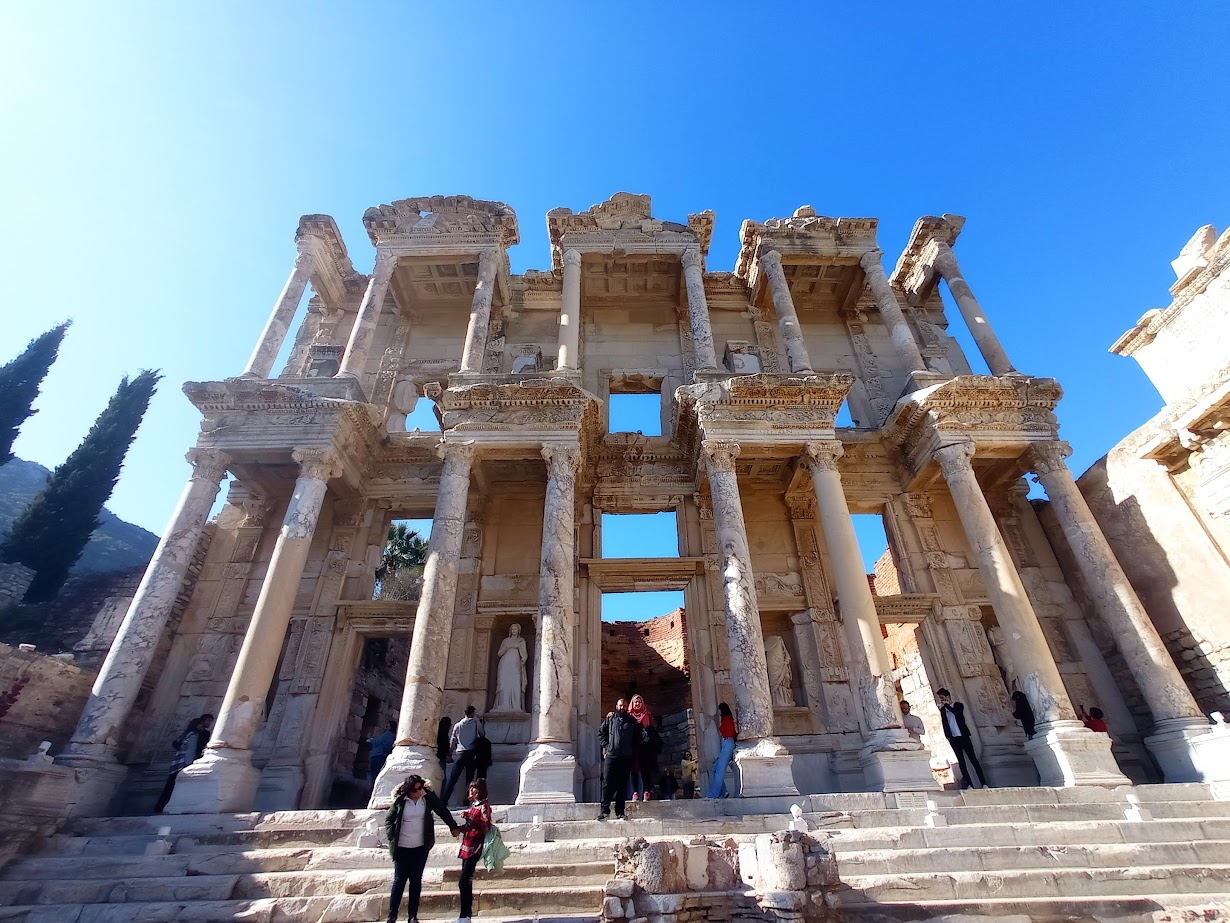
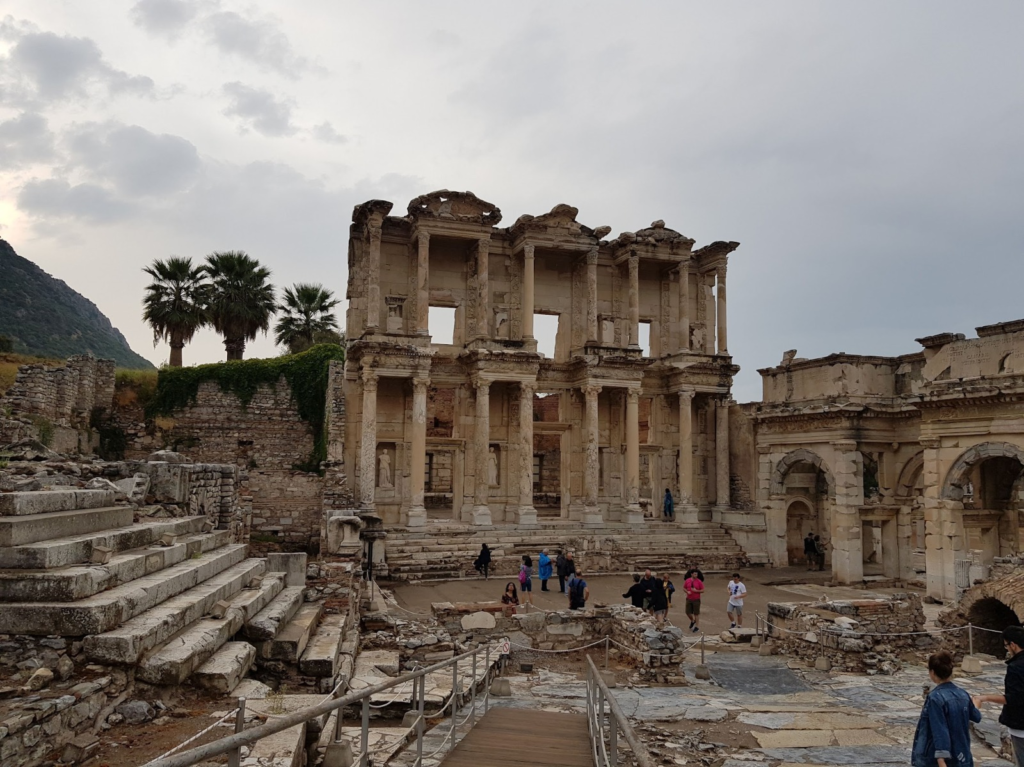
Library of Celsus
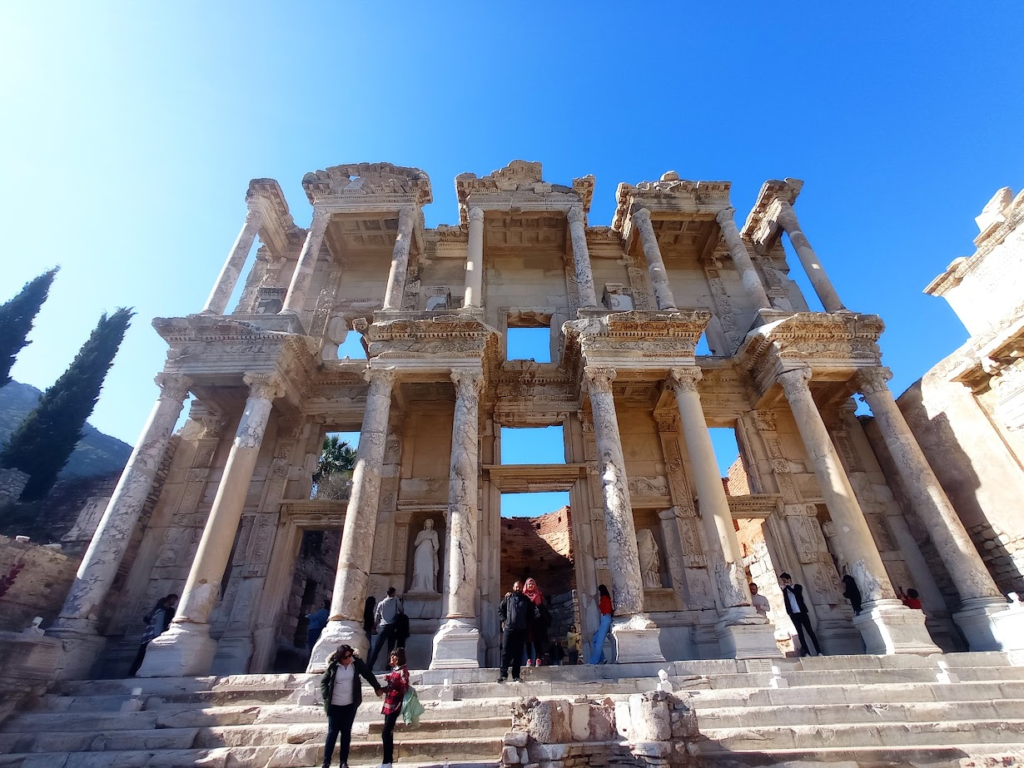
This is the building most people picture when they think of Ephesus, and it’s usually the busiest spot on the site. It was built in the 2nd century AD as a monumental tomb and library for a Roman senator. Its restored facade is the best-preserved piece of architecture here. Try to reach it early or late in the day if you want photos without a crowd of tour groups in front of it.
Great Theatre
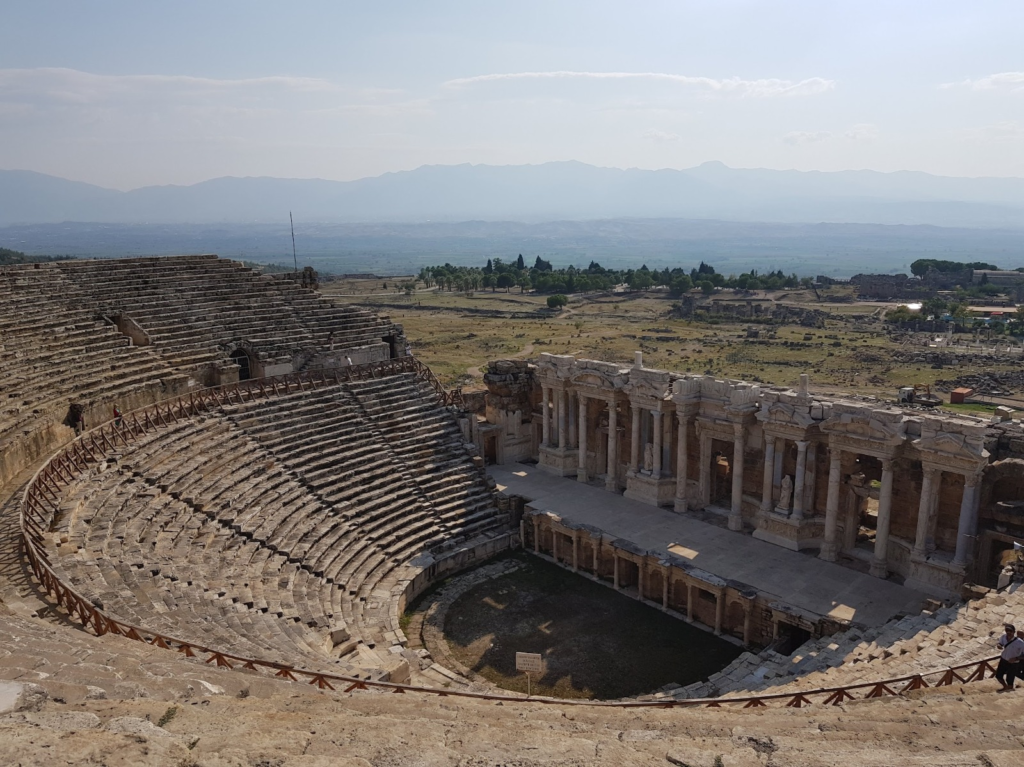
Carved into the hillside above the harbor road, this theatre once held around 25,000 people and is still used for occasional performances today. Climbing to the upper rows gives you the best sense of scale and a clear view down the ancient street toward the Library. It’s a steep climb, so it’s worth pacing yourself if you’re visiting in the heat.
Terrace Houses
These are the covered, ticketed homes of wealthy Ephesian families, with preserved wall paintings, mosaics, and even early heating systems visible under glass walkways. I’d genuinely rank this as the most underrated part of the visit. It’s the closest you’ll get to seeing how people furnished and decorated their homes rather than just the public buildings.
Curetes Street
This is the main pedestrian route running downhill through the heart of the site, lined with the remains of shops, fountains, and public monuments. When you walk through it, it gives you a real sense of the city’s layout rather than isolated ruins.
Temple of Hadrian
A smaller but well-preserved temple along Curetes Street, dedicated to the emperor Hadrian in the 2nd century AD. The carved reliefs on the entrance arch are worth slowing down for, even though the temple itself is easy to walk past quickly if you’re not looking for it.
Great Theatre Odeon and Upper Agora
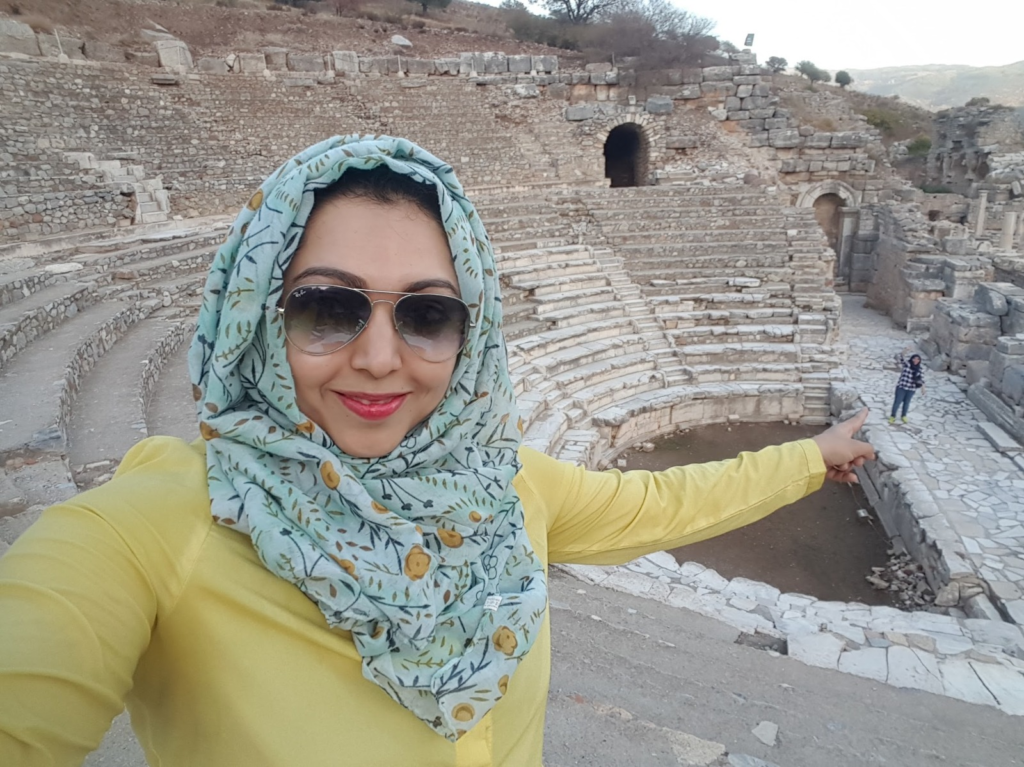
Near the Upper Gate, this smaller, more intimate theatre was likely used for council meetings and musical performances rather than large public events. It’s far quieter than the main theatre, and if you enter from the Upper Gate, it’s usually one of the first things you’ll pass.
House of the Virgin Mary
Located on a wooded hill a short drive from the main Ephesus site, this small stone house is believed by many Catholic and Orthodox Christians to be where Mary spent her final years, based on 19th-century visions recorded by a German nun and later investigations by the Church. It’s a functioning chapel today, and it draws a genuinely different crowd than the ruins, many visiting for pilgrimage rather than sightseeing. It requires its own entrance ticket and a separate taxi or tour leg, so don’t assume it’s included in a standard Ephesus visit.
If you’re planning to add the House of the Virgin Mary as well, it’s a short drive from Ephesus and commonly paired with the same day, though it does add extra time and, depending on your transport, may need its own taxi or tour arrangement.
How Would You Get There From Kuşadası
Ephesus sits near Selçuk, roughly 18 km from central Kuşadası. You’ve got three real options here:
- Dolmuş (shared minibus): Runs from the Kuşadası minibus stop toward Selçuk and takes about 30 to 40 minutes. It’s the cheapest way to go, but you’ll usually need a short walk or taxi from the Selçuk drop-off to reach the site’s Lower Gate, so factor that in. At times, the dolmuş driver might even drop you off near one of the gates of Ephesus so it’s always worth asking.
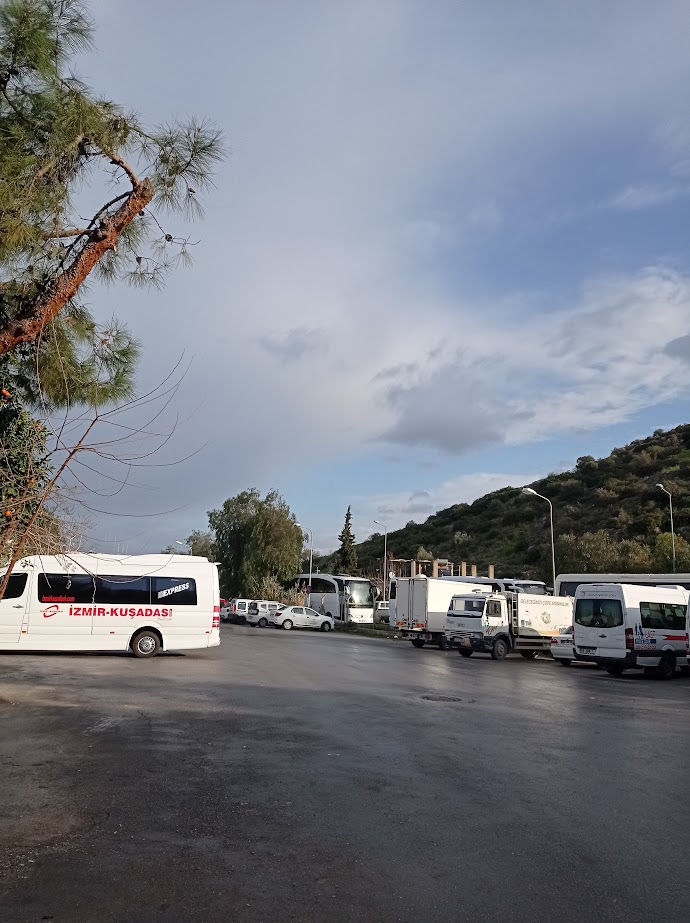
- Taxi: Direct and simple, around 20 to 30 minutes depending on traffic. I’d always agree on the fare before getting in, since not every driver runs the meter for trips outside town.
- Organized tour or rental car: A tour takes the logistics off your plate and usually comes with a guide, which genuinely helps here since there’s very little signage explaining what you’re looking at. That said, you don’t need one. The main path is easy to walk independently, and audio guide apps are available if you want context without booking a tour. A rental car gives you the freedom to pair Ephesus with Şirince or the House of the Virgin Mary in the same day.
If you’re coming off a cruise ship into Kuşadası port, there’s no direct minibus straight to Ephesus. You’re looking at a taxi, a transfer tour, or two connecting minibuses (you can take a minibus to the main bus terminal called Kuşadası otogar, and take another minibus in the direction of Selçuk from there). With limited time in port, I’d lean toward a taxi or a pre-booked tour rather than trying to piece together public transport on the clock.
Ephesus has two entrances, the Upper Gate and the Lower Gate. Most people walk downhill from Upper to Lower, which is easier on your legs since the whole site slopes down toward the Library of Celsus.
How Much Time You Should Actually Set Aside
I’d give it at least 2.5 to 3 hours if you want to see the main path plus the Terrace Houses, which is the visit I’d consider standard and worthwhile. You can rush the main street, the Library, and the Theatre in 1.5 to 2 hours, but you’ll miss some of what makes this site different from a dozen others. Want to add the Ephesus Museum in Selçuk too? Plan for half a day, maybe a full one.
There’s almost no shade across the site, and the marble underfoot is uneven, so give yourself more time for a site this size, especially with young kids or anyone who has trouble walking long distances. If mobility is a real concern, I’ll be honest with you: the site can be a bit difficult. It slopes throughout and there are no paved accessible routes, so I’d contact your tour operator in advance to talk through options rather than assume you can figure it out on arrival.
When I’d Tell You to Go
Ephesus is open every day of the year, but when you show up is the make or break of your experience. Cruise ships dock in Kuşadası regularly, and their passengers tend to land at Ephesus mid-morning, so things get noticeably busier between roughly 10:00 and 16:00. Arriving right when it opens, or in the last couple of hours before closing, is genuinely the best way I know to avoid a crowd at the Library steps.
Seasonally, I’d point you toward April to May or September to October. You get manageable heat and fewer people than peak summer. July and August bring intense heat with barely any shade, and a midday visit in that stretch is uncomfortable, not just crowded.
In summer, Ephesus sometimes opens for evening visits on select nights with different lighting and far fewer visitors. These evening slots aren’t running every week or all season, so if that appeals to you, check the official schedule close to your travel dates instead of assuming it’ll be available.
What It’s Going to Cost You
General admission covers the main archaeological site. The Terrace Houses need a separate combined ticket, and there’s a further combined pass if you also want the Ephesus Museum in Selçuk and the Basilica of St. John. Prices are set in euros but paid in lira or by card, and I’ve seen them change more than once within the same year. Rather than give you a number that might already be wrong by the time you read this, check the official Turkish Ministry of Culture and Tourism site shortly before you go to confirm current pricing.
Mistakes I See First-Time Visitors Make
- Skipping the Terrace Houses to save money. It’s the part almost everyone tells me they wish they’d seen once they’re already back home.
- Showing up at midday in summer. The lack of shade makes this the hardest time slot, not just the busiest one.
- Not bringing enough water. There are almost no vendors once you’re inside the site, so it’s best to be prepared.
- Assuming one gate suits everyone. If walking downhill on uneven stone for a long stretch isn’t comfortable for you, plan your entrance and exit around that instead of defaulting to the usual Upper-to-Lower route.
- Underestimating the walk. The main path alone runs about 2 km, before you’ve added the Terrace Houses or a detour to the museum.
- Getting snacks and drinks from the entrance/exit of Ephesus: While there are quite a few shops at the entrance, you can bet they’ll be selling everything at the inflated (tourist) prices. The area around Selçuk bus terminal (which is a 5 minute bus or taxi ride from the gate of Ephesus) has a lot more options for food and drink with much more affordable rates and even better taste!
Who I Think Ephesus Suits, and Who Might Want to Reconsider
I’ve had a lot of visitors, and a lot of people ask if Ephesus is truly worth the visit. Well, I’d recommend Ephesus to anyone who enjoys walking at their own pace and doesn’t mind heat or crowds in exchange for seeing something this well-preserved. I’d be more cautious recommending it to travelers who really dislike large tour groups, since peak-season mornings can feel packed near the main landmarks.
If you’re short on time and can only pick one historical site in the region, I’d still put Ephesus ahead of the alternatives nearby.
I think Ephesus earns its place on a Turkey itinerary because there’s genuinely little else that lets you walk through this much intact ancient infrastructure in a single visit. The trade-off is that you’re sharing it with a lot of other people, so the real question isn’t whether you should go, it’s when you go and how much time you give it. Aim for early morning or late afternoon, set aside at least half a day, and don’t skip the Terrace Houses.