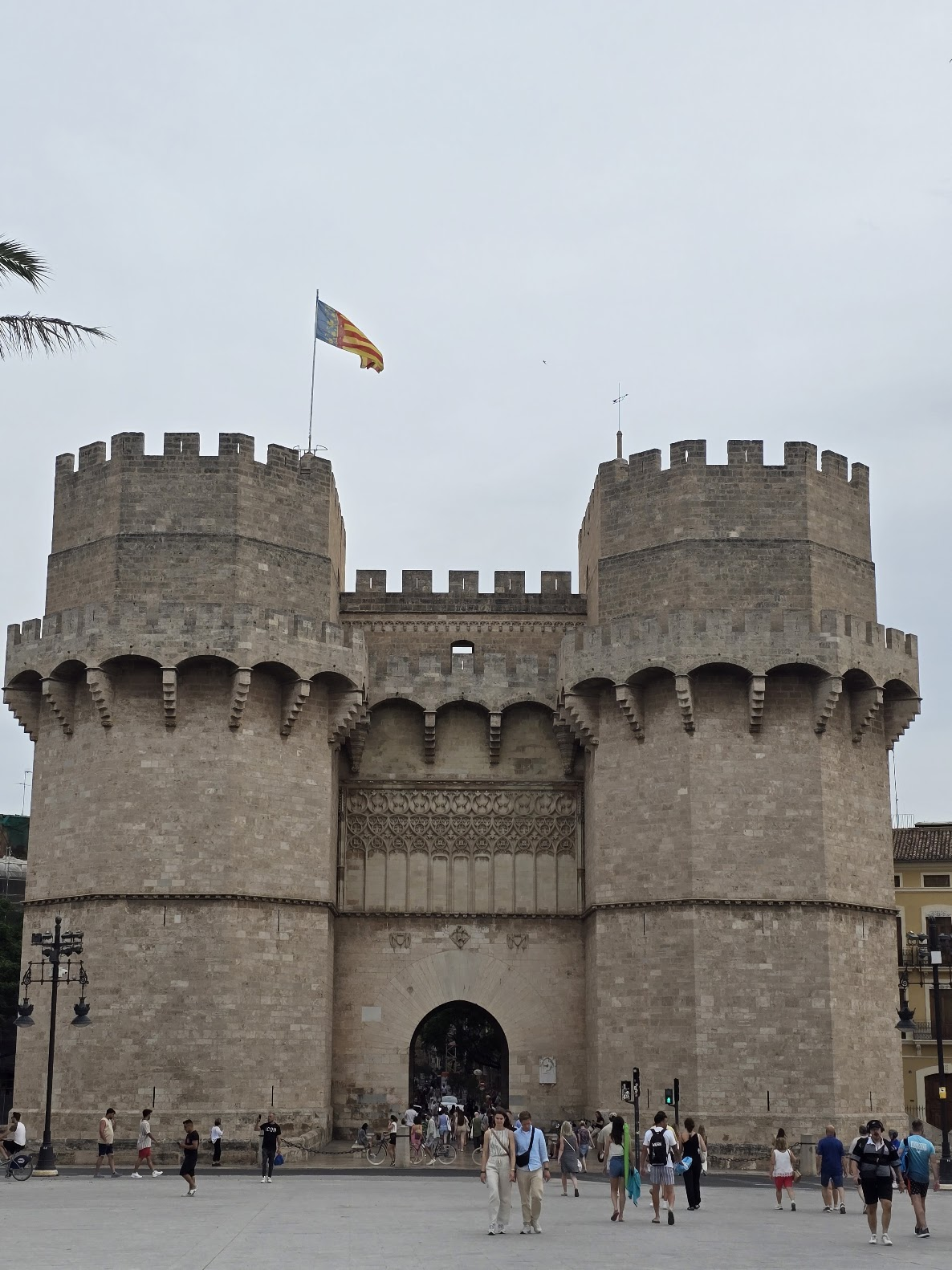
3 Days in Valencia: What We Did, Loved, and Would Do Differently
Before we went to Valencia as digital nomads, we genuinely did not know what to expect. We had heard it was good (and cheaper) than Madrid or Barcelona. After having lived here for almost two years, here’s our roundup of what we did, loved and would do again.
Valencia is a beautiful and amazing city to live in. The food is delicious, although not the best in Spain (we preferred the food in Andalusia), the old town is charming without being suffocating, and real Valencian traditions and festivals. Valencia also has real beaches, with wide sand and clear water, 20 minutes from the city centre. If you only have three days, here’s what we would recommend.
A Few Things to Know Before You Go
Valencia is a very walkable city. The Turia Gardens, a long park built in the dry bed of a diverted river, runs straight through the middle of the city like a green ribbon and connects the old town to the City of Arts and Sciences. You can cycle it end to end without touching a road. The public bike scheme is called Valenbisi and it is cheap and easy to use.
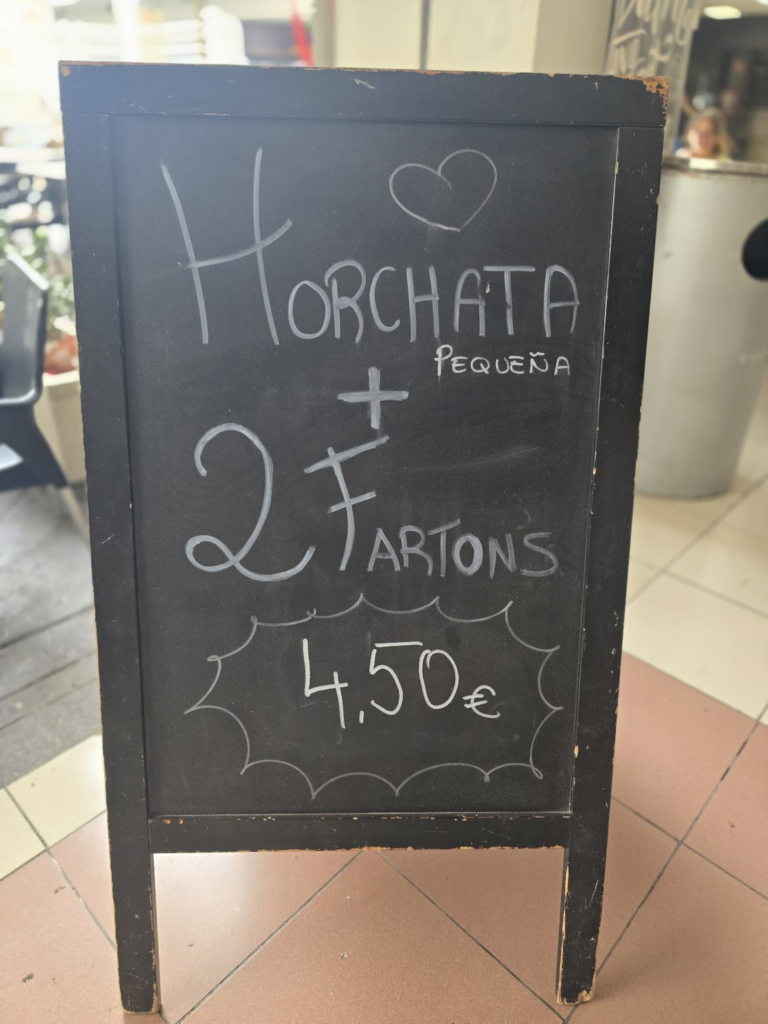
Meal timing in Spain is real, and it matters. Lunch is between 2pm and 4pm. You can also get really amazing deals with menu of the day “Menu el dia” at most restaurants which comes with main course, drink/ appetizer and dessert and may range from 10-15 Euros per person (Depending on the area and restaurant quality). We werent sure about the lunch timings so we ended up eating lunch outside of the standard hours at an empty Italian restaurant. Learn to embrace the almuerzo, a mid-morning snack of bread, cheese, or a small omelette that carries you through to a late lunch. During the peak summer months both locals and tourists love to cool down with a horchata and farton combo. It is the most Valencian thing you can do.
Dinner rarely starts before 9pm and runs late past 11 pm. Most of the locals wont even show up to a restaurant before 9 so before that, it’s mostly tourist menus.
Spring and autumn are the best times to visit. July and August are very hot and crowded but have the yearly much-awaited sales (Las Rebajas). March is the month of Las Fallas, an extraordinary UNESCO-listed festival involving enormous papier-mache sculptures, fireworks, and bonfires in the streets. It is one of the most spectacular things we have ever seen. Book your accommodation months in advance if you plan to go during Las Fallas.
Day 1: The Old Town
The Ciutat Vella is compact enough to explore entirely on foot and beautiful enough to do it very slowly. Because we were based in Cituat Villa we started early and had a head start before all the tourists flocked in.
Mercado Central
You can start from Mercado Central as it is one of the most beautiful market buildings in Europe with all stained glass, Art Deco ironwork, and soaring domed ceilings. It looks more like a cathedral from the outside than a market (we were also fooled initially). Inside, there are around 400 stalls selling Valencian oranges, fresh rice, olives, seasonal produce, and more varieties of cured meat and local cheese than you can try in one day.
Valencia Cathedral and Barrio del Carmen
The cathedral is worth visiting for the building itself, a fascinating mix of Gothic, Romanesque, and Baroque added over several centuries. Inside there is also a cup claimed to be the Holy Grail. Valencia is not the only place that makes this claim but the cup is genuinely very old and the story around it is interesting. Entry is around 8 euros with an audio guide included. The valencia cathedral is also one of the main cathedral during the Fallas festival.
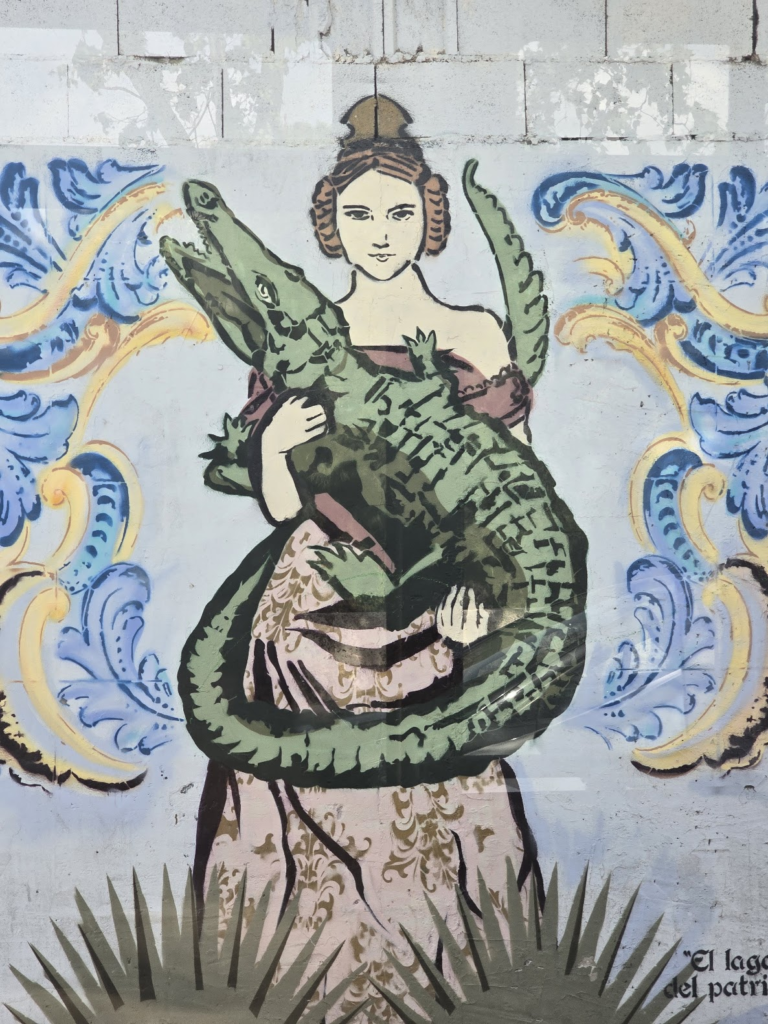
We did a street art tour in Barrio del Carmen, the oldest part of the city. Graffiti art and murals everywhere with independent shops and small cafes.
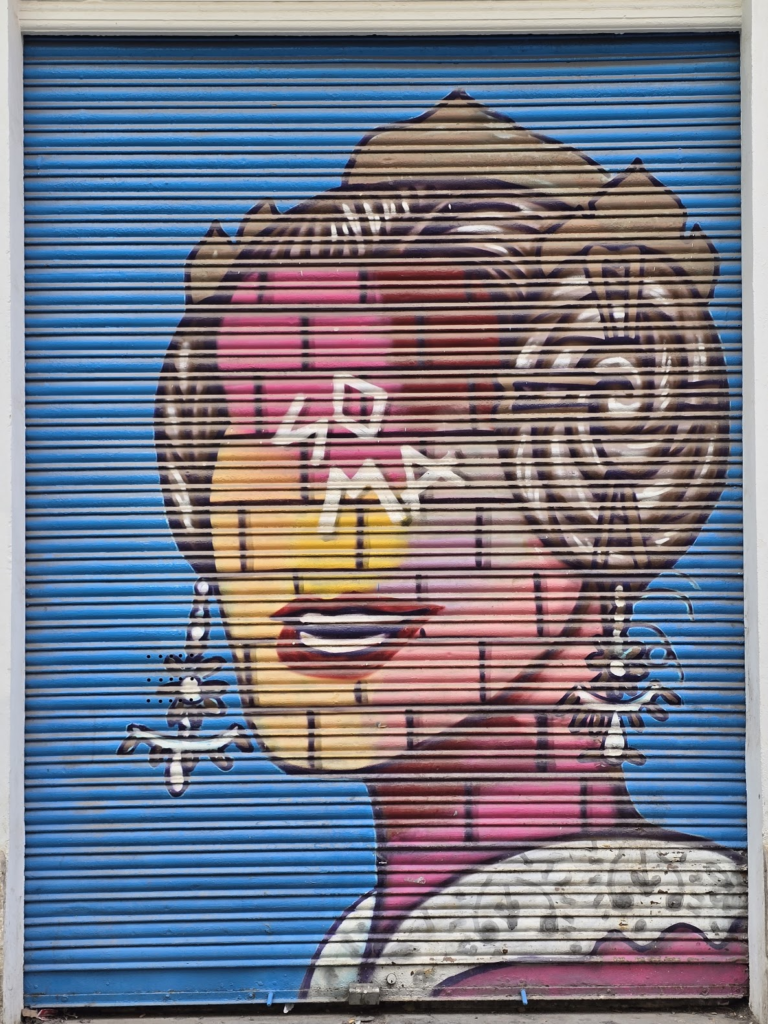
Our guide taught us how to spot local street artists with their signature work in El Carmen and till this day we can spot new work from those artists.
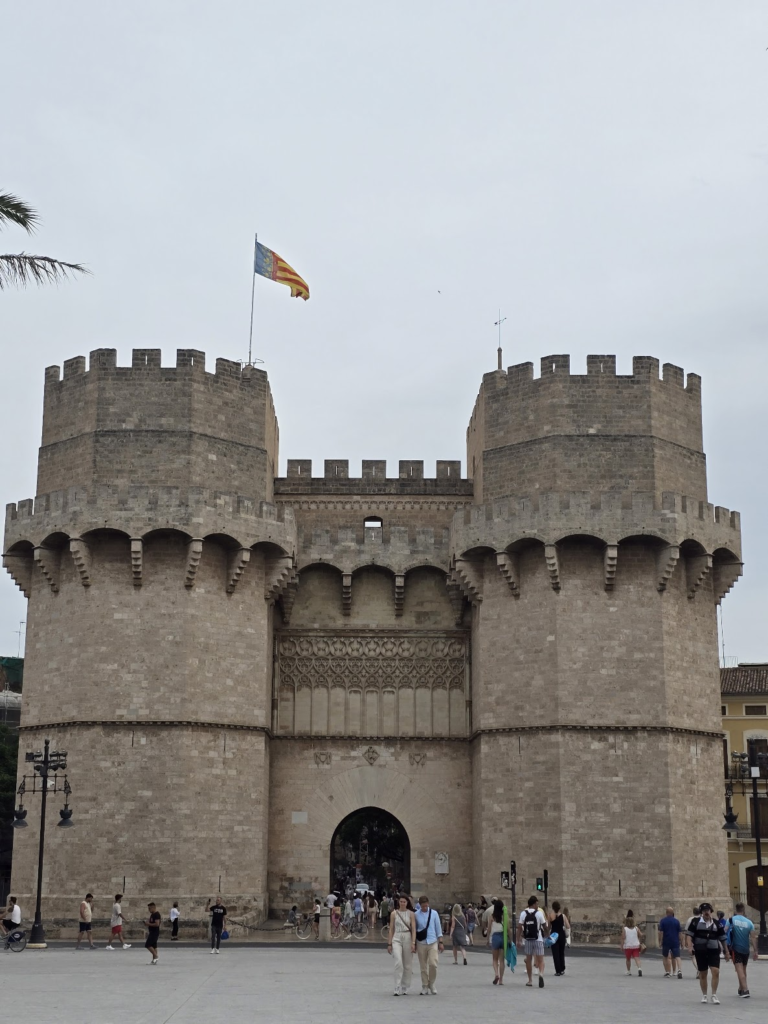
Evening: Torres de Serranos
The medieval gate towers at the northern edge of the old city. There was no entrance fee when we went so we had the chance to climb to the top and get a panoramic view of the city. The rooftop view over the city takes in Gothic spires, church domes, and the Turia Gardens stretching away to the south. We went late afternoon when the light was golden and it was one of the best views of the whole trip. Almost nobody talks about Torres de Serranos compared to the cathedral tower. Go here instead.
Day 2: City of Arts and Sciences, Beach, and Russafa
Morning: Turia Gardens and City of Arts and Sciences
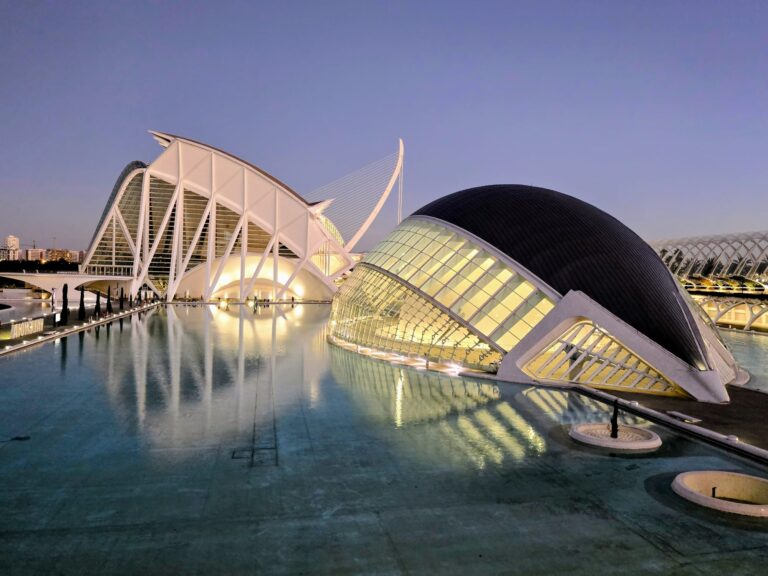
Early morning after breakfast (and coffee ofcourse), we walked the Turia Gardens from the city centre to the City of Arts and Sciences and it was a perfect morning. The park is nine kilometres long and full of locals running, cycling and overall enjoying being outdoors. It ends at Santiago Calatrava’s futuristic complex of white buildings, glass, and reflecting pools. The architecture looks like something from a science fiction film and has now become one the most recognizable landmarks of Valencia. The space generally holds exhibitions through the year (the falls exhibition being the most famous) but it is extraordinary even just from the outside, which is free.
Going inside the Oceanografic (Europe’s largest aquarium) is worth it if it is in your budget. We chose not to go inside. The tickets are not cheap but the experience is genuinely impressive.
Afternoon: Paella in the city center – and why we wouldn’t eat there again
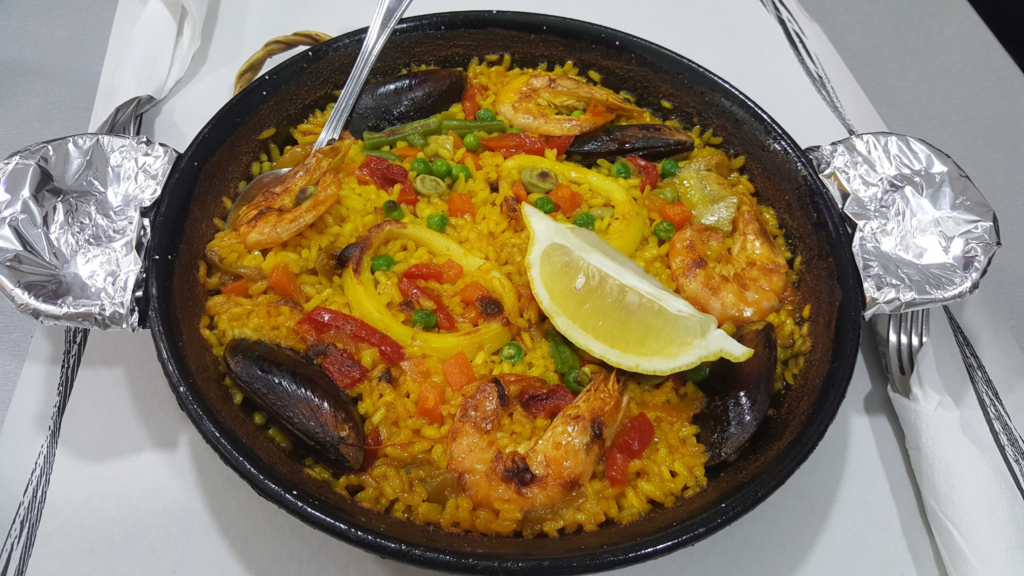
From the City of Arts and Sciences, we headed back to the Plaza del Ayuntamiento for a paella lunch. We would not recommend eating Paella from any of the restaurants lining up the ayuntamiento. You are much better off going inside the small alleys and find a local restaurant that makes fresh batches of paella.
Learn from our mistake: proper Valencian paella is a lunch dish. It is cooked over orange wood, made with rabbit and chicken (the authentic original version), and the most important part is the socarrat, the crispy caramelised layer of rice at the bottom of the pan. If you order paella at dinner in Valencia, it will have been made hours earlier and reheated. For the best paella in Valencia, you need to head over to the villages (pueblos), which are a short bus ride from the city and eat the original version. La Pepica on the promenade is one of the most well-regarded spots in the city for traditional paella. Book ahead or get there early.
Evening: Russafa
Russafa is the neighbourhood locals actually hang out in and it completely won us over. It is full of independent restaurants, interesting cafes, and street art. The energy in the evening is relaxed and unpretentious. We roamed around Ruzafa a bit looking at shops and had some coffee and dessert before heading out for dinner.
Day 3: Albufera or a Slow Morning, then Mercado de Colon
Option A: Albufera Natural Park
We heard so many great things about Albufera, but didnt have the time to go on our first trip to Valencia. Albufera is a freshwater lagoon and nature reserve about 20 minutes south of Valencia by bus. It is where Valencian rice is actually grown and the landscape of rice paddies and wetlands is beautiful, especially around sunset. Take a boat ride on the lagoon and have lunch in El Palmar, the small village on the water, where the restaurants serve nothing but rice dishes. It feels like a completely different world from the city. This should be on your must do list when you visit valencia
Option B: A Slow Morning in the Old Town
If Albufera does not appeal, just go back to the centro and wander in the streets. You can take a walk from Torres del Serranos to the Mercat Central, visiting the small streets, looking at local street art, and trying freshly baked pastries. You can also visit placa del virgin, which is also a short walk from Mercat Central and is amongst the most beautiful plazas in Valencia.
Afternoon: Mercado de Colon
For the afternoon we would recommend a visit to Mercado de Colon, which is a stunning modernist market building from the early 20th century that has been converted into a food hall. Unlike the Mercado Central, this one is all about sitting down with a coffee or a long lunch. It is beautiful inside and a lovely relaxed way to spend a final afternoon in Valencia. You can also find local artisans selling their products here
What We Ate (and What You Should Too)
- Panaria for breakfast: This is a local cafe with branches all over valencia, they serve amazing food and coffee with generous portions. We keep going back to Panaria when we need something reliable
- Horchateria Santa Catalina: horchata and fartons, a Valencian institution, go at least once. We also had the hot chocolate with churros.
- Anything in Russafa: the whole neighbourhood is good, just wander and see what looks busy
- Santa Gloria: They had amazing sandwiches, salad and croissants and not to mention special flavored coffee. Make sure to sign up for their loyalty card to get your first coffee free.
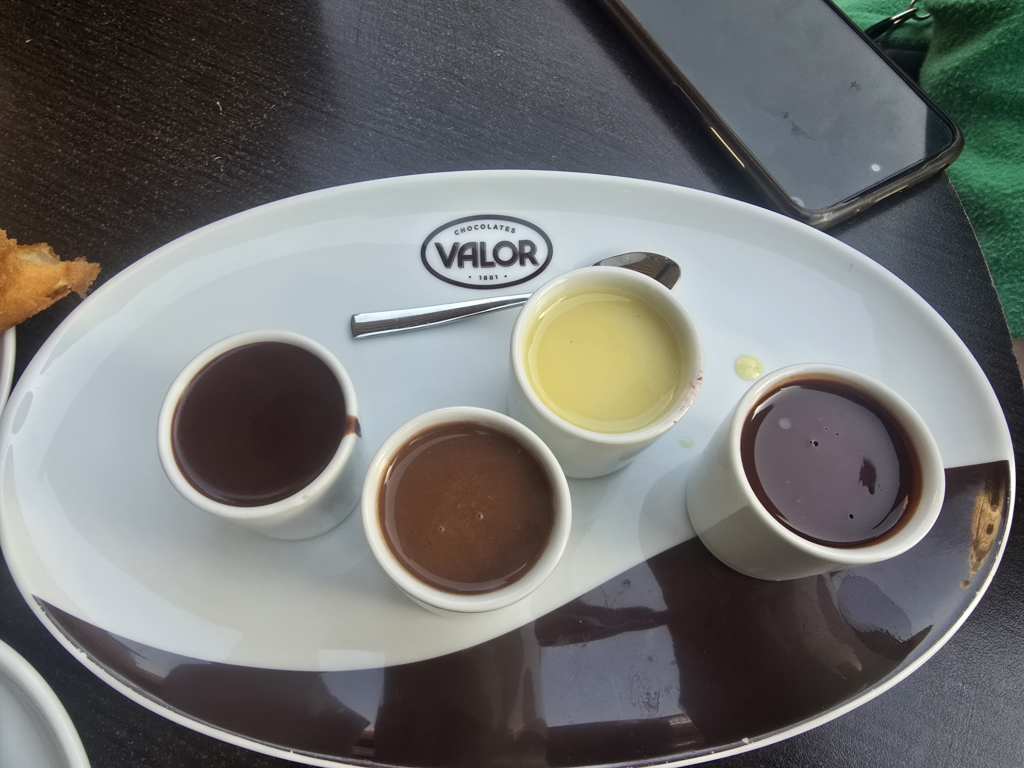
- Valor: This was our favorite chocolate / coffee/ and dessert places. we had the churros with four chocolate dips from different regions around the world. Needless to say we were beyond happy.
What We Would Skip
The City of Arts and Sciences is magnificent to look at and we recommend walking through the complex and taking it all in. But the entrance fees across all the attractions inside add up fast. Pick one and do not feel pressured to do everything.
We also fell into the trap of eating at a restaurant near the cathedral on our first evening because it was there and we were tired. We went to Es.Paella because it was convenient. This was the place we had paella in the city center and we never went again. The portions were very small, and the food was average quality. We later had paella from a small random restaurant inside the small lanes and it far superior. Skip this if you want to save yourself from the tourist trap.
Walk five minutes in any direction and you will eat much better for less money.