Is Turkey Safe to Visit Right Now? Here’s the Honest, Region-by-Region Answer
Every time regional tensions in the Middle East flare up, I get some version of the same message from friends and family: “Wait, isn’t Turkey right next to all that? Is it actually safe to go?” It’s a fair question, and it deserves a better answer than a flat yes or no. Turkey is a big country; the risk isn’t spread evenly across it, and lumping Istanbul in with a border province hundreds of kilometres away doesn’t help anyone plan a trip.
So instead of one broad verdict, here’s how I’d actually break this down, question by question, the way people tend to ask it.
Does the Iran-Israel Conflict Actually Affect Istanbul and Turkey’s Tourist Areas?
Short answer: not directly, and not in the places most visitors are actually going. Turkey shares a border with Syria and Iraq, and it’s a NATO member sitting in a genuinely volatile neighbourhood, so it isn’t disconnected from what’s happening regionally.
The situation isn’t something that affects Istanbul, the Aegean coast, or the Mediterranean resorts in the form of disruption to daily life or tourism. Istanbul’s airport, hotels, and attractions have continued operating normally through the escalations, de-escalations, and renewed talks that have characterised 2026 so far. The conflict between Iran, Israel, and their allies has gone through a ceasefire, a partial collapse, and fresh negotiation attempts over the course of this year, and as of early August, talks were reportedly set to resume, though the situation remains genuinely fluid. None of that back-and-forth has translated into unrest in Turkey’s main tourist areas.
The honest caveat: “genuinely fluid” is doing real work in that sentence. This is exactly the kind of situation that can shift within days, which is why the rest of this article leans so heavily on checking official sources directly rather than trusting any single snapshot, including this one.
What Do the Official Travel Advisories Actually Say?
This is the part worth reading directly rather than taking my word for, but here’s the shape of it as of August 2026.
The US State Department currently has Turkey at Level 2, “exercise increased caution,” for the country as a whole. The specific areas of concern are Sirnak and Hakkari provinces, and any area within 10 kilometres of the Syrian border. Southeast Turkey more broadly carries a heightened risk designation. None of that overlaps with Istanbul, the Aegean coast, Cappadocia, or the Mediterranean resorts. You can check the current advisory level yourself here.
The UK Foreign, Commonwealth & Development Office (FCDO) takes a similar regional approach. It advises against all travel within 10 kilometres of the Syria border, and against all but essential travel to Sirnak and Hakkari provinces. The FCDO has also been explicit that the wider regional situation, referring to the broader Iran-Israel-Lebanon conflict, remains unpredictable, and it asks travellers to stay flexible and keep departure plans under review. Their safety and security page also documents isolated incidents in Istanbul and other major cities over the past couple of years, including an attack near an Israeli consulate building in Istanbul in April 2026, which is a useful reminder that awareness matters even outside the border zones. If you want more details, you can find it here.
The takeaway from both: the restricted zones are real but geographically specific, and they sit hundreds of kilometres from anywhere a typical first-time visitor is likely to go. That doesn’t mean tune out the wider regional context entirely; it means read the advisory for the region you’re actually visiting, not the country as a whole.
How to Keep Monitoring This Before You Travel
Given how quickly the regional situation has shifted through 2026, don’t treat any single article, including this one, as the final word. A few practical habits:
- Check the official advisory for your country directly before booking and again a few days before you fly. Travel.state.gov for US citizens, gov.uk/foreign-travel-advice/turkey for UK nationals, and the equivalent foreign ministry site for anywhere else.
- Register with your embassy’s traveller programme. For US citizens, that’s the Smart Traveler Enrollment Program (STEP), which pushes updates directly to you rather than requiring you to go looking.
- Follow your airline and embassy’s social channels for anything that would affect flight paths or entry requirements, since regional airspace closures have happened more than once this year.
- Avoid the specific restricted zones near the Syrian and Iraqi borders regardless of what else is going on, since that advice has stayed consistent throughout 2026 even as everything else shifted.
With the conflict-specific questions out of the way, here’s the more everyday safety picture, the kind that applies regardless of what’s happening regionally.
Is Turkey Safe to visit for Solo Travellers?
Yes, and it’s a genuinely popular solo destination for exactly that reason. The good infrastructure, widespread English in tourist areas, and a culture tends to look out for visitors rather than ignore them. The usual solo-travel rules apply here just as they would anywhere: stick to well-lit, populated areas at night, keep a low profile with valuables, and let someone know your general plans if you’re heading somewhere more remote, like a multi-day hike or a rural day trip. We have done lots of trips as solo females and we have always been treated like guests by locals.
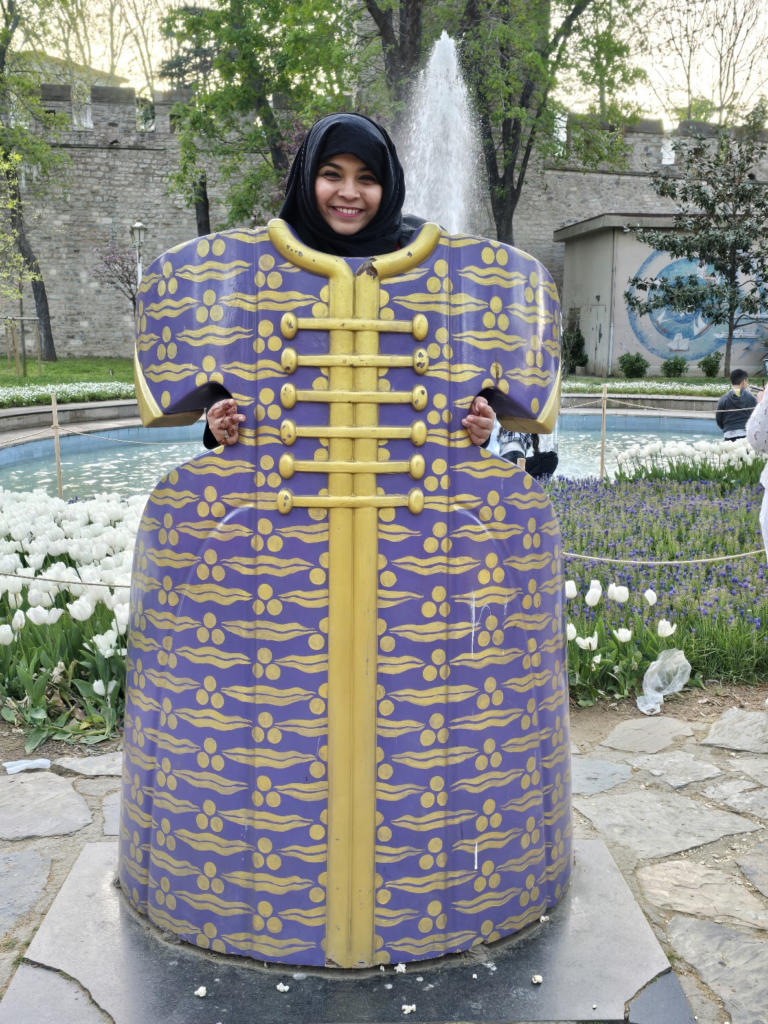
Where solo travellers occasionally run into trouble isn’t safety in the physical sense, it’s logistics: relying entirely on a single unlocked phone, not having a backup way to pay if a card gets declined, or booking accommodation in an unfamiliar neighbourhood without checking reviews first. None of that is Turkey-specific, but it matters more when there’s no one else to fall back on.
Is Turkey Safe to visit for Women Travelling Alone?
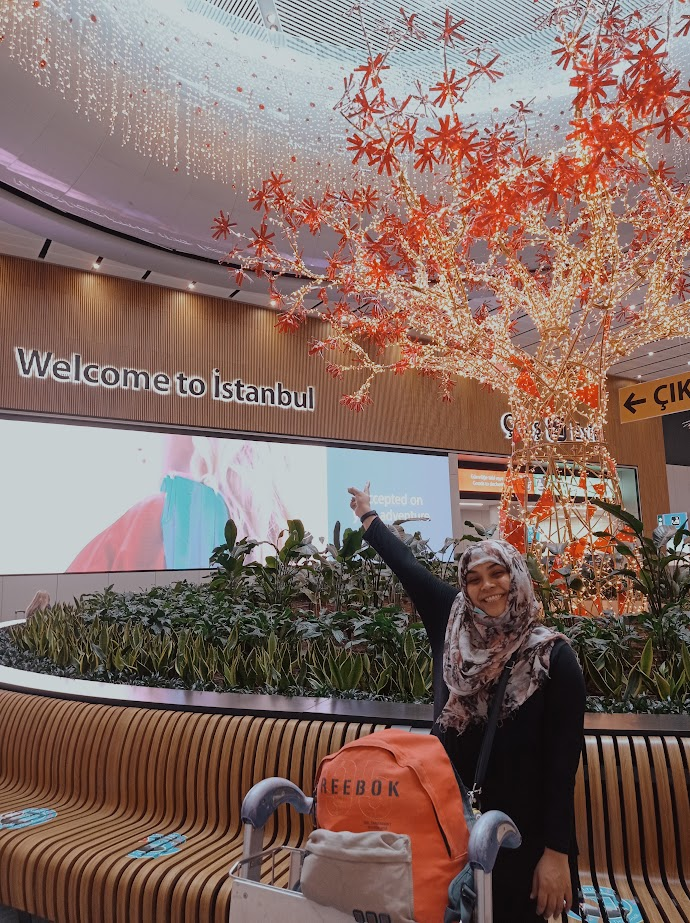
Generally, yes, particularly in Istanbul, the Aegean and Mediterranean coasts, and other well-established tourist areas. Solo female travellers do this trip constantly and come back recommending it. Again, we have travelled as a group of women or in pairs and never had an uncomfortable situation to deal with. Infact, because we were traveling solo or in a pair we were treated much better than groups of men doing the same trip. Once during a road trip we even forgot our luggage at the Aydin bus terminal, which was our stop, and our bus departed for Istanbul with our luggage. The staff went out of their way not only to track our luggage but also to have it safely delivered without any charges to our nearest bus station (In kusadasi, where we lived at that time)
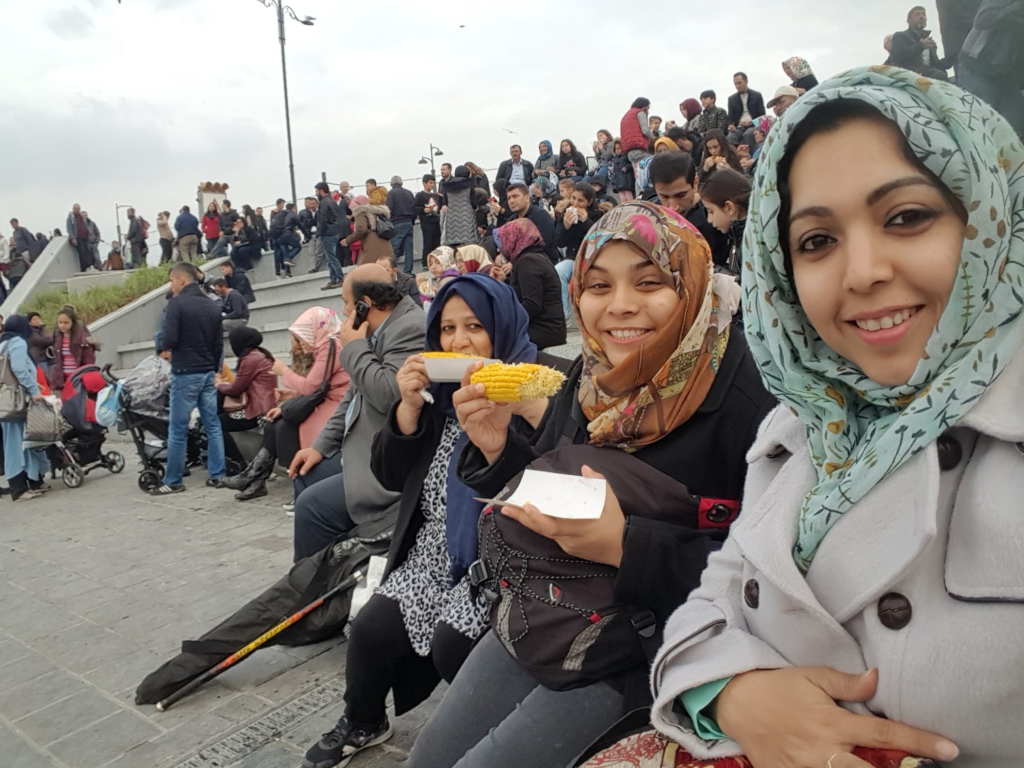
Having said that, you need to apply the same street smartness you would apply in any big city or region. Avoiding empty streets late at night, using registered taxis or ride-hailing apps rather than flagging cars down, and trusting your gut if a situation feels off are the same precautions that apply to solo female travel anywhere.
Public Transport and Accommodation: What Actually Matters
Turkey’s public transport in major cities is genuinely good, Istanbul’s metro, trams, and ferries are modern, affordable, and well used by both locals and visitors, and they’re a safer bet than an unmetered taxi picked up off the street. The main practical risks aren’t accidents or crime on the trains themselves, they’re overcrowding at rush hour, which makes it easier for a pickpocket to work a crowded carriage unnoticed, and taxi disputes, which are common enough that it’s worth defaulting to a ride-hailing app or confirming the meter is running before you get in.
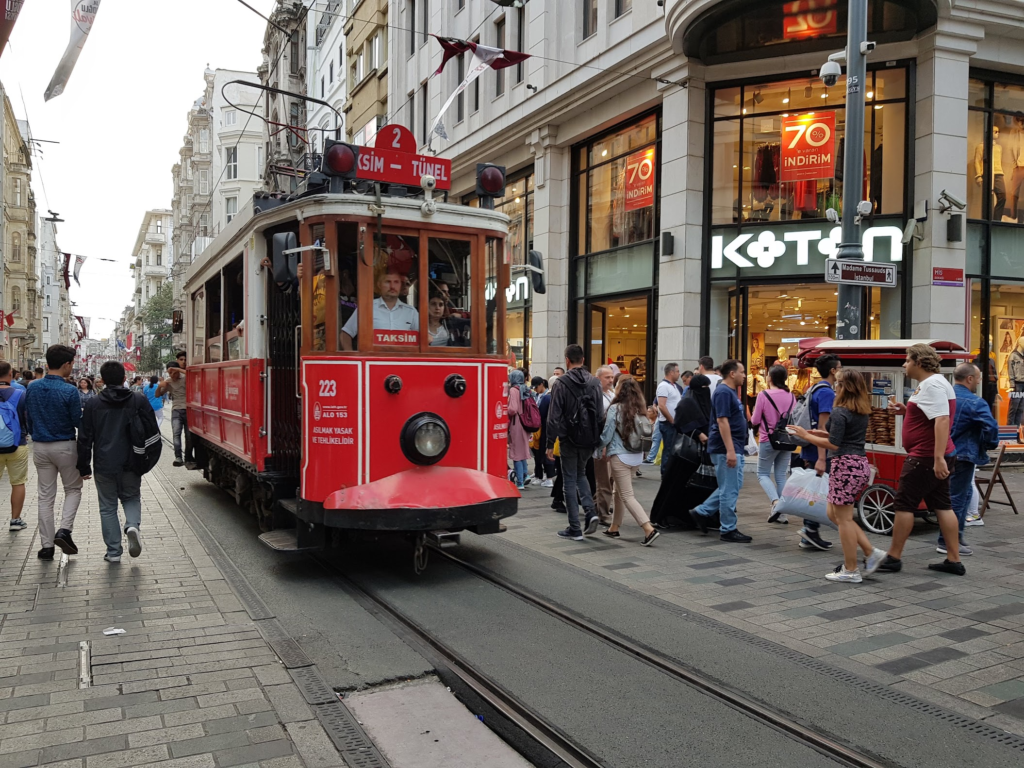
For accommodation, stick to areas with an established tourist presence and good recent reviews rather than the cheapest listing you can find, and keep passports, spare cards, and most of your cash in a hotel safe rather than carrying everything with you day to day.
Here’s where that established tourist presence actually is, city by city:
Istanbul
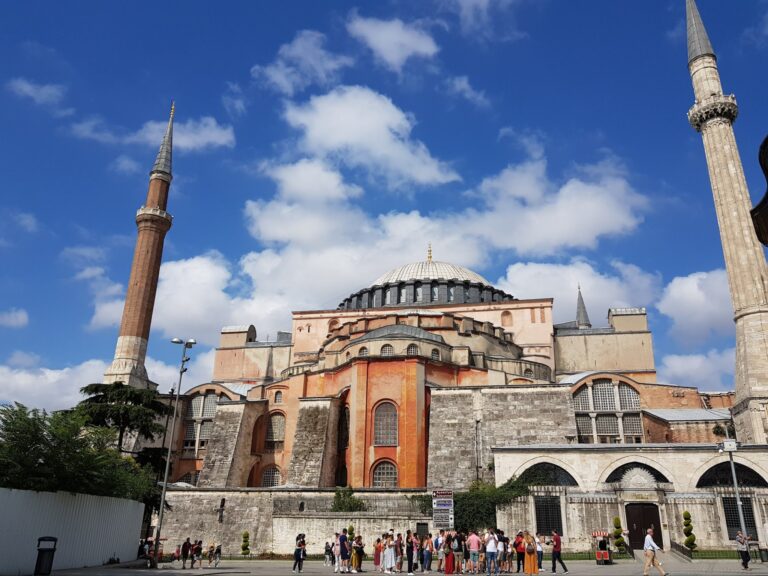
- Sultanahmet – the Old City, right next to Hagia Sophia, the Blue Mosque, and Topkapı Palace. It’s the most heavily policed tourist zone in the city and easy to navigate entirely on foot. You can read more about our recommendations on places to stay in Istanbul here.
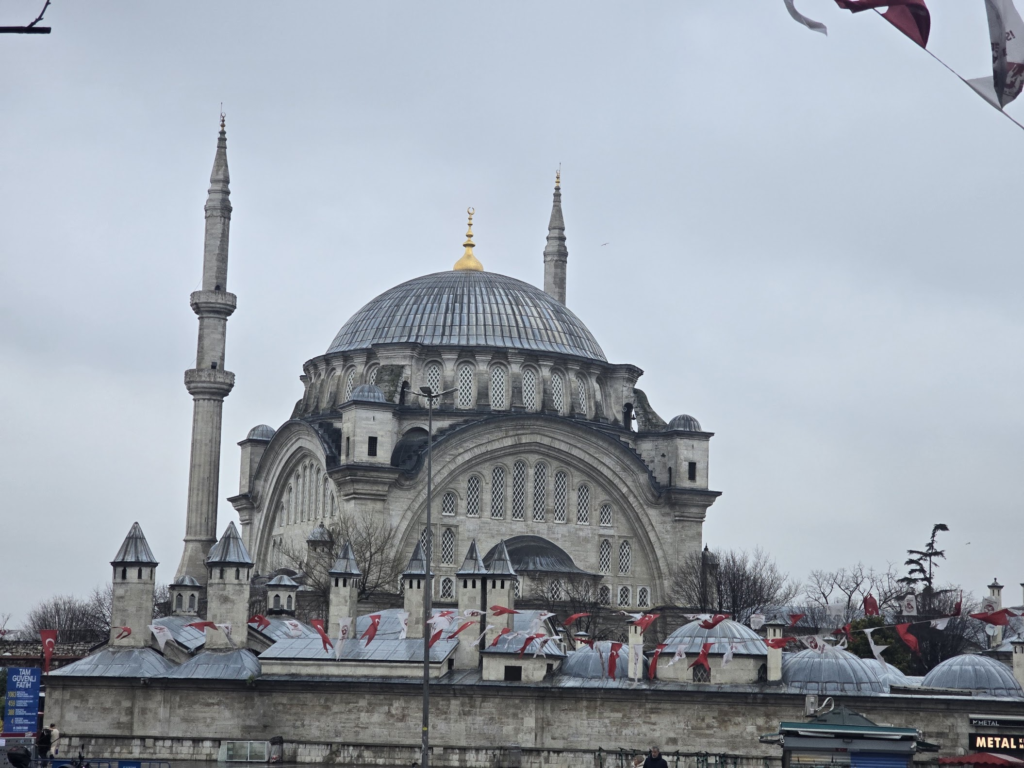
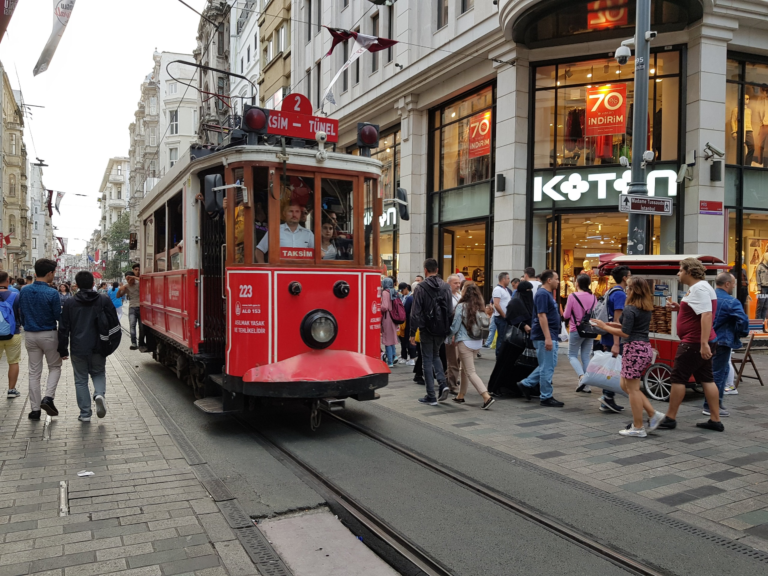
- Beyoğlu (Galata/Karaköy/Taksim) – across the Golden Horn from Sultanahmet, well connected by tram and metro, with a livelier restaurant and cafe scene. Stick to the main streets late at night rather than cutting through the quieter backstreets.
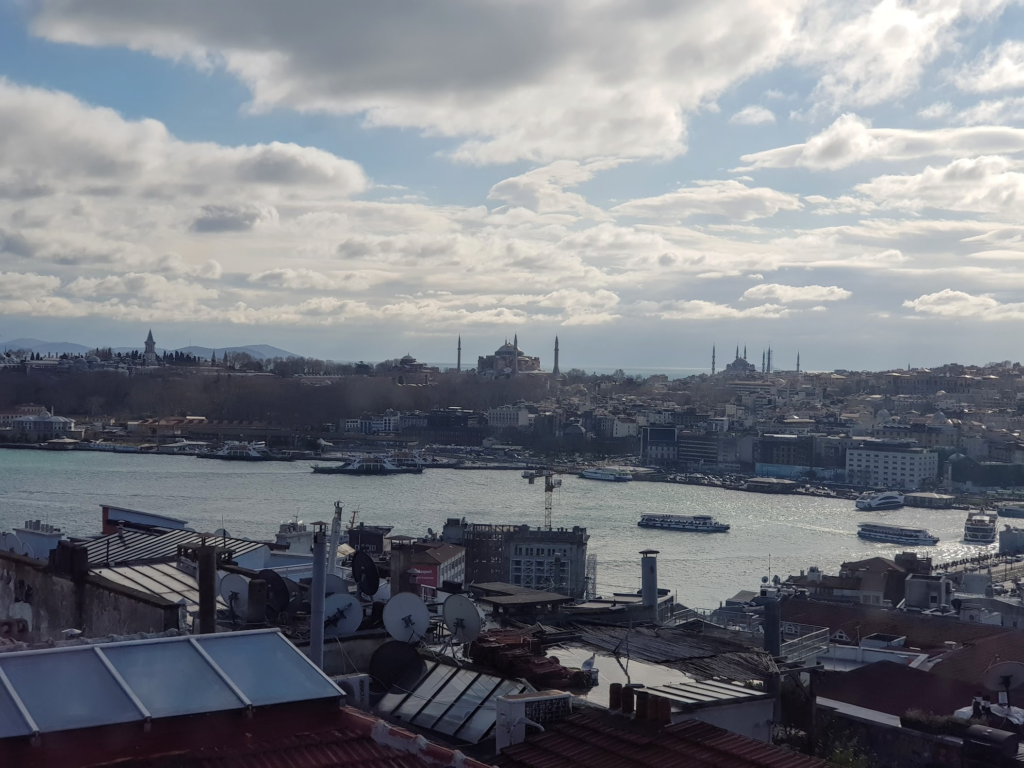
- Kadıköy – on the Asian side, reached by ferry, more residential and local, popular with repeat visitors who’ve already covered the main sights.
Izmir and Kuşadası
- Alsancak, Izmir – central, walkable, and close to the Kordon seafront promenade, a sensible base if you’re overnighting in Izmir before heading down the coast.
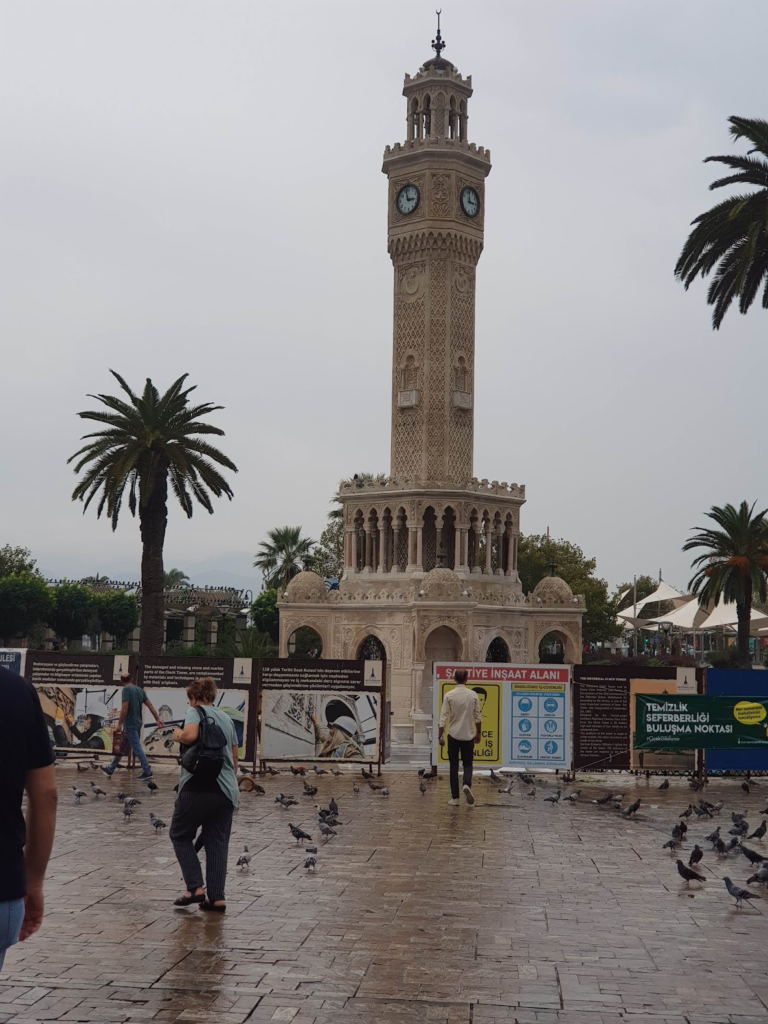
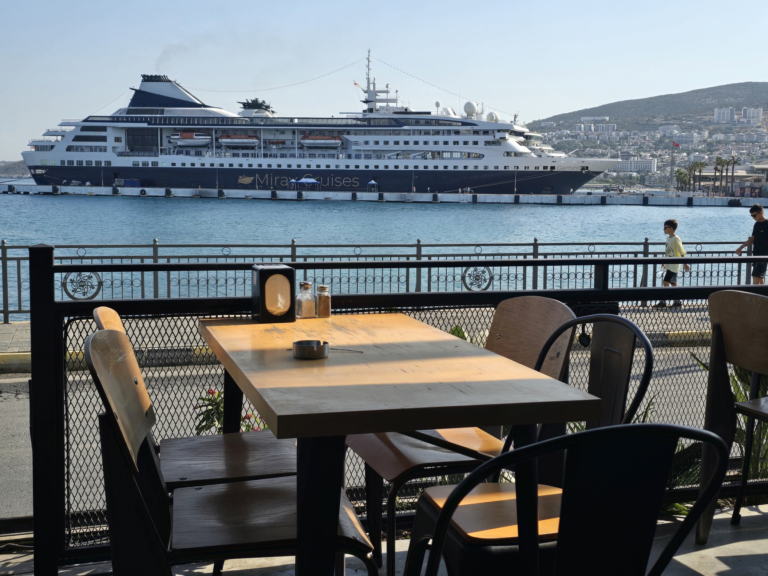
- Kuşadası Marina / Old Town – the most central part of Kuşadası itself, within walking distance of the kervansaray, the bazaar, and the ferry terminal. Here are our recommendations on places to stay.
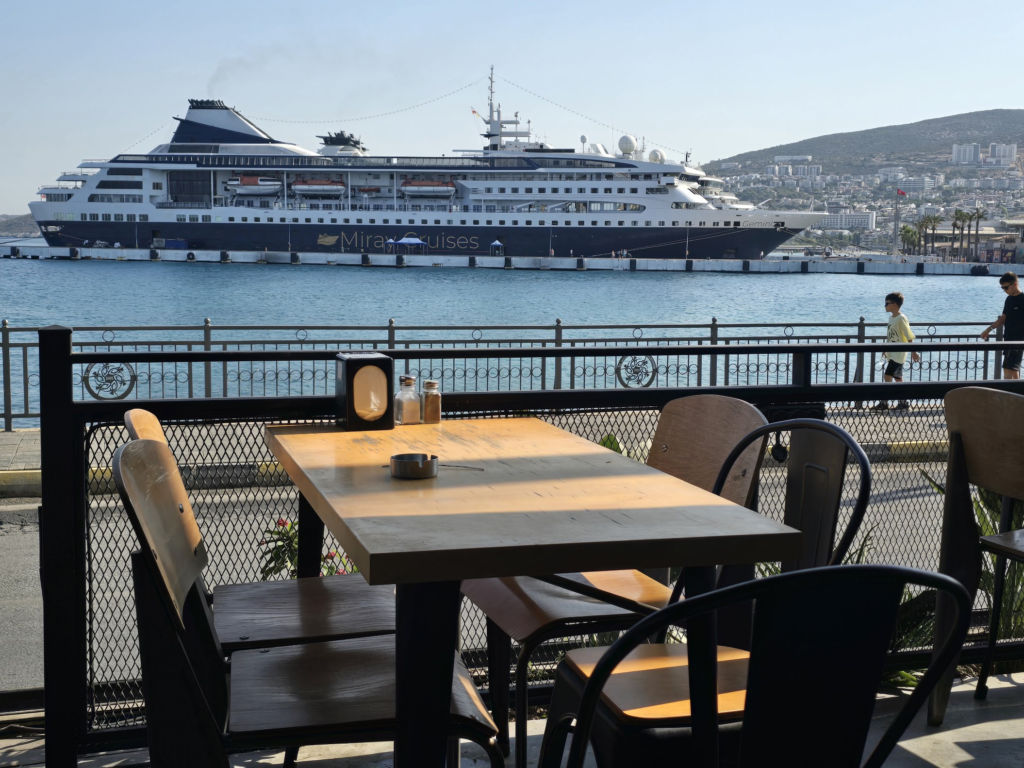
- Ladies Beach (Kadınlar Denizi), Kuşadası – the beach resort strip, a good option if you want to be near the water rather than the town center.
Antalya
- Kaleiçi (Old Town) – the historic core, walkable, close to the harbor, and within reach of the beaches without needing to drive.
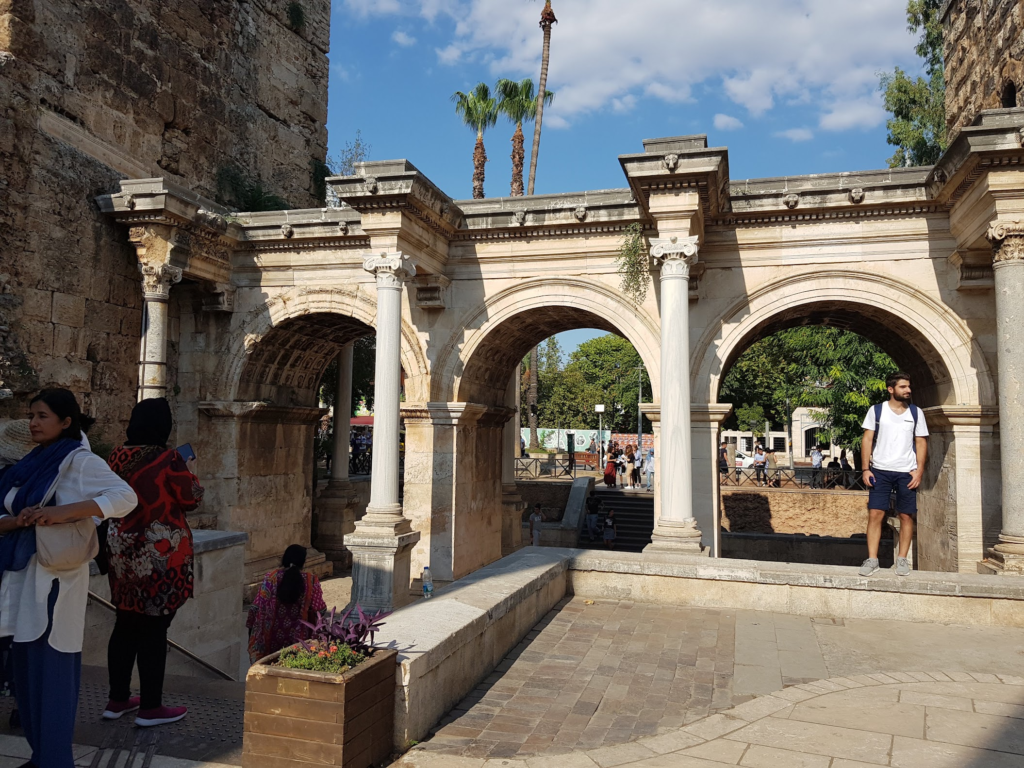
- Konyaaltı Beach – a solid family-friendly option a short distance from the city center, with a long pebble beach and modern amenities.
- Lara Beach – further out, more resort-focused, with the bulk of Antalya’s all-inclusive hotels.
Cappadocia
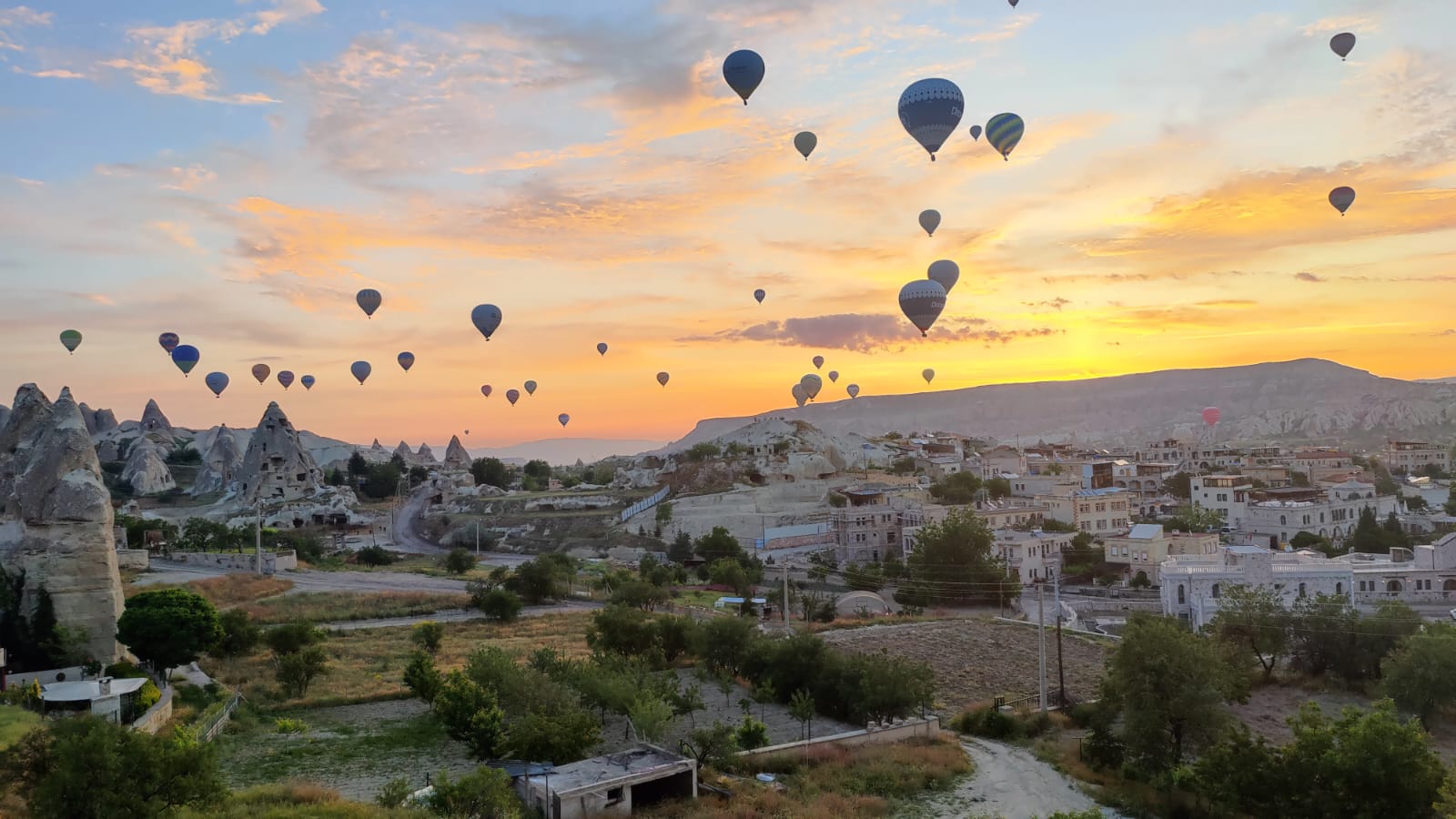
- Göreme – the most central and popular base, walkable, surrounded by the valleys, and where most hot air balloons launch from at sunrise.
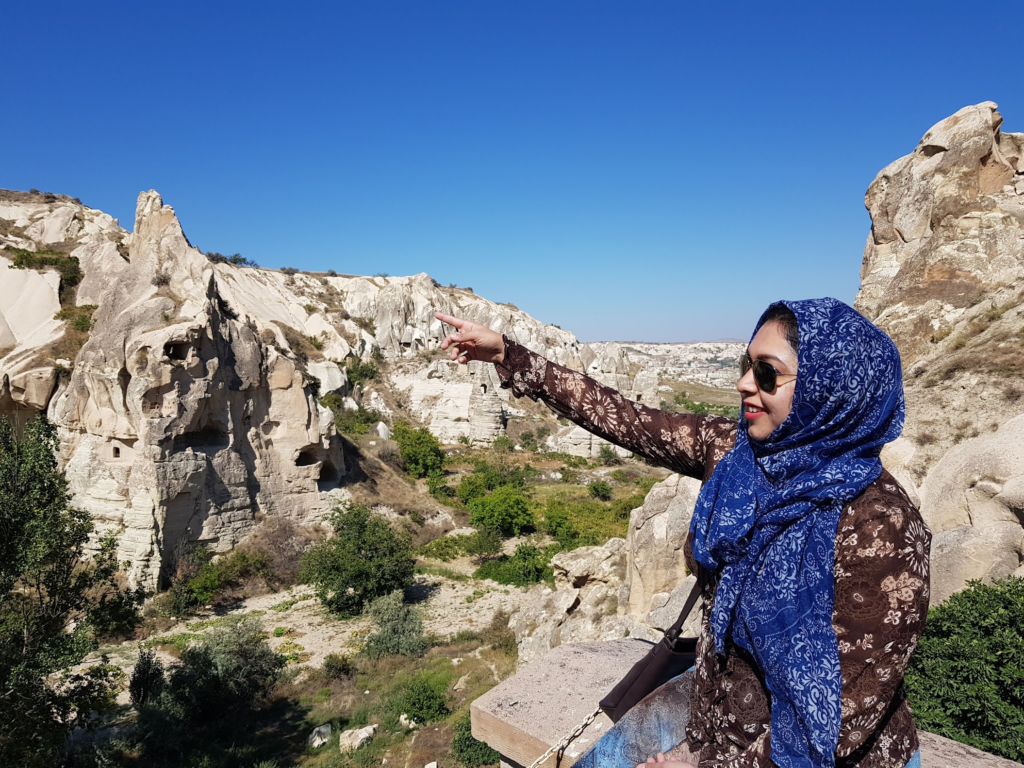
- Uçhisar – quieter and slightly more upscale, a short drive or hike from Göreme, with some of the best panoramic views in the region.
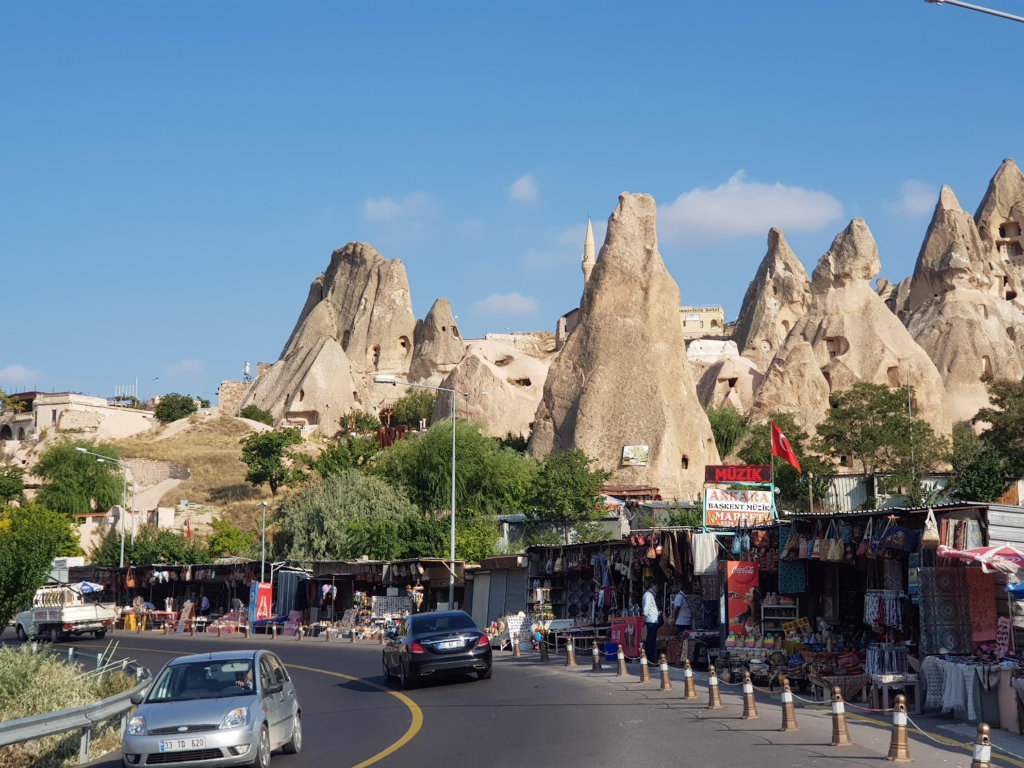
- Ürgüp – a larger, more local town with a bit more infrastructure (banks, supermarkets) if you want a break from the tourist-focused feel of Göreme.
Fethiye
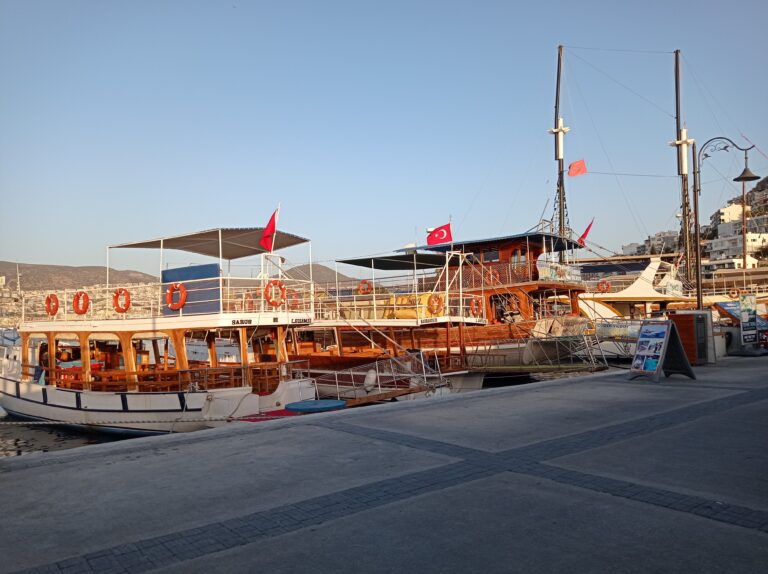
- Fethiye town / the Marina – the most practical base, with the strongest transport links and easy access to boat trips.
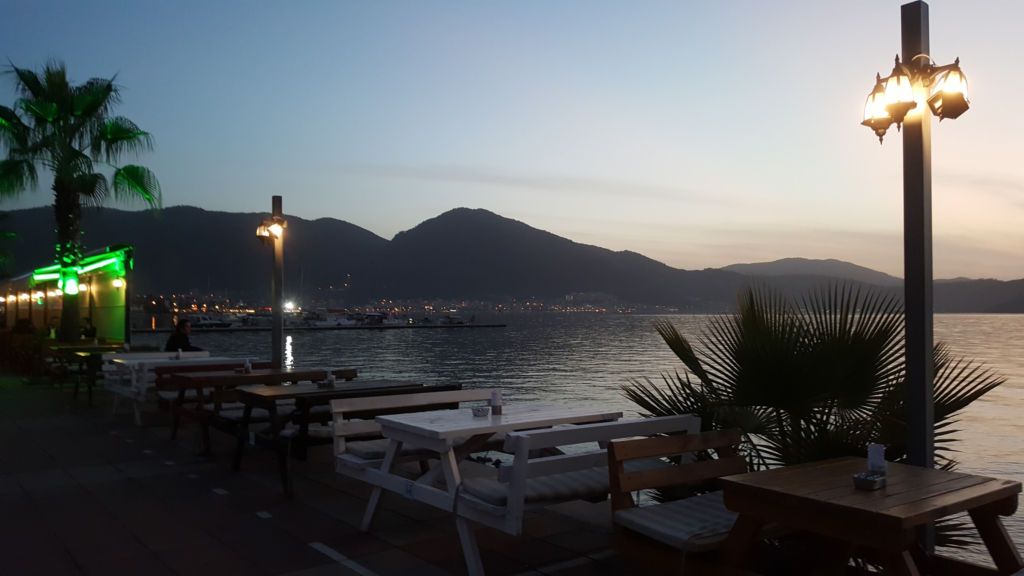
- Çalış Beach – a quieter, more residential beach area a short drive from town, good for sunset views and a slower pace.
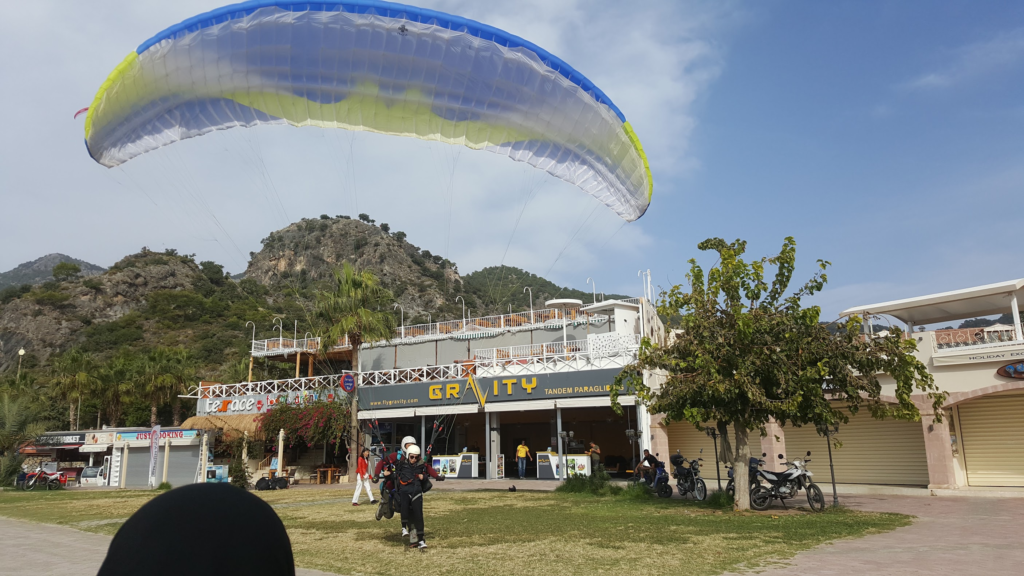
- Ölüdeniz – the famous lagoon and beach, more resort-oriented and geared toward paragliding and beach holidays, busier in peak season.
Scams, Pickpocketing, and Tourist-Area Concerns
This is where most visitors actually run into trouble, not terrorism or regional conflict, but the ordinary petty crime and scams that show up in any heavily touristed city. In Istanbul specifically, keep an eye out for a handful of recurring tricks: taxi drivers claiming a broken meter or taking an unnecessarily long route, someone dropping a shoe-shine brush in front of you and offering an unsolicited (and then overpriced) polish, and overly friendly strangers steering you toward a restaurant that turns out to charge wildly inflated prices once the bill arrives. Pickpocketing follows the crowds, so the areas to be most alert in are exactly the ones you’d expect: Sultanahmet, Taksim and Istiklal Avenue, and the Grand Bazaar.
None of this is unique to Istanbul or to Turkey generally; it’s the same profile of risk you’d manage in Rome, Paris, New York or Barcelona. Basic awareness, a bag you keep zipped and in front of you in crowds, and a healthy scepticism toward anyone who approaches you first, cover most of it.
Cultural Expectations and What to Wear
Turkey is a secular country with a Muslim-majority population, and how conservative things feel varies a lot by location. In Istanbul’s tourist areas and the coastal resorts, dress is casual and Western, and beachwear is completely normal at beaches and pools. Head further from those areas, into smaller towns or more traditional neighbourhoods, and it’s worth dressing a little more modestly, covering shoulders and knees, out of respect rather than obligation.
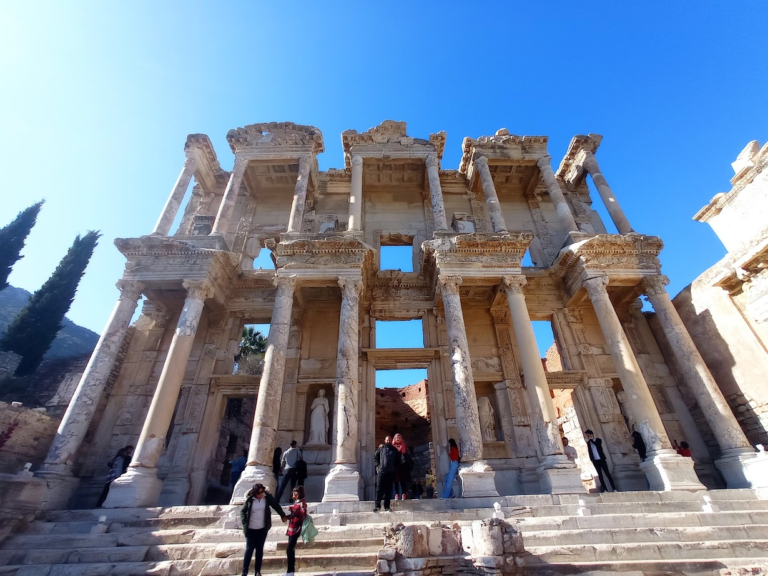
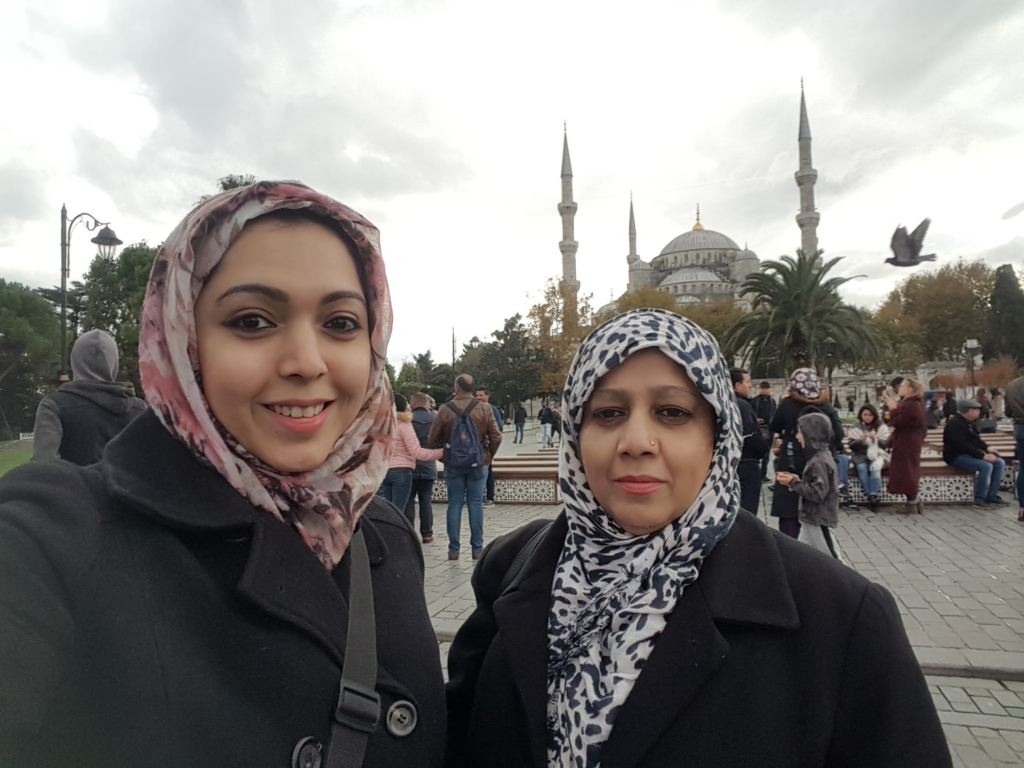
Mosques are the one place with an actual dress requirement rather than a soft suggestion: shoulders, arms, and legs covered, and a head covering for women. Many mosques provide scarves and wraps at the entrance if you show up without one, but carrying a light scarf in your bag makes things easier, and it doubles as sun protection at exposed sites like Ephesus or Pamukkale.
How to Keep Monitoring This Before You Travel
Given how quickly the regional situation has shifted through 2026, don’t treat any single article, including this one, as the final word. A few practical habits:
- Check the official advisory for your country directly before booking and again a few days before you fly. Travel.state.gov for US citizens, gov.uk/foreign-travel-advice/turkey for UK nationals, and the equivalent foreign ministry site for anywhere else.
- Register with your embassy’s traveller programme. For US citizens, that’s the Smart Traveler Enrollment Program (STEP), which pushes updates directly to you rather than requiring you to go looking. You can also have a look at the Visa requirements while you’re looking.
- Follow your airline and embassy’s social channels for anything that would affect flight paths or entry requirements, since regional airspace closures have happened more than once this year.
- Avoid the specific restricted zones near the Syrian and Iraqi borders regardless of what else is going on, since that advice has stayed consistent throughout 2026 even as everything else shifted.
So, Is Turkey Safe to Visit?
For the vast majority of visitors, sticking to Istanbul, the Aegean coast, Cappadocia, and the Mediterranean resorts, yes, with the same everyday awareness you’d bring to any major international destination. The regional conflict is real and worth understanding, but it doesn’t affect Turkey and the places more commonly visited by tourists. Both the US and UK advisories reflect that by keeping their restrictions narrowly focused on the southeast border regions rather than the country as a whole. Honestly, just checking the current advisory yourself before you travel is all the precaution you can take. If its your first time in Turkey, you can read more details on Istanbul as a starting point here.
Frequently Asked Questions
Is it safe to fly into Istanbul right now?
Yes. Istanbul Airport has continued operating normally throughout the regional escalations in 2026. Airlines occasionally adjust routes around broader Middle East airspace restrictions, so it’s worth checking your specific airline’s advisories closer to your travel date, but this hasn’t affected access to Istanbul itself.
Are the Aegean and Mediterranean coasts affected by the conflict?
No. The restricted areas under both US and UK advisories are limited to Sirnak and Hakkari provinces and the immediate Syrian border zone, all in the southeast, hundreds of kilometres from Kuşadası, Bodrum, Antalya, or Istanbul.
Should I buy travel insurance that covers conflict-related cancellations?
It’s worth checking the policy wording either way. Standard travel insurance often excludes situations where you’ve travelled against your government’s advisory, so if your itinerary stays within areas your government hasn’t restricted, most standard policies should apply as normal, but confirm this with your provider before you buy.
Do I need to cover my head in Turkey outside of mosques?
No. Head covering is only expected inside mosques, and even there it’s usually just a scarf over the hair rather than anything more. Outside religious sites, dress codes are a matter of regional norms and personal comfort rather than any requirement.
Is it safe to use ride-hailing apps in Turkey?
Yes, and it’s generally a safer and more predictable option than flagging a taxi on the street, since the fare and route are set in advance and there’s a digital record of the trip.
Last reviewed: August 2026. Travel advisories change quickly, so treat this as a starting point and check the official sources linked throughout before you book or travel.